This product qualifies for free shipping in South Africa, using one of our trusted couriers. Offers below R350.00 do not qualify for free shipping. Check my rate
Free collection is available from various lockers and counter collection points across South Africa. Offers below R350.00 do not qualify for free shipping. View locations
The seller allows collection for this item. Buyers will receive the collection address and time once the order is ready.
The seller has indicated that they will usually have this item
ready to ship within 2 business days.
Shipping time depends on your delivery address.
The most accurate delivery time will be calculated at checkout,
but in general, the following shipping times apply:
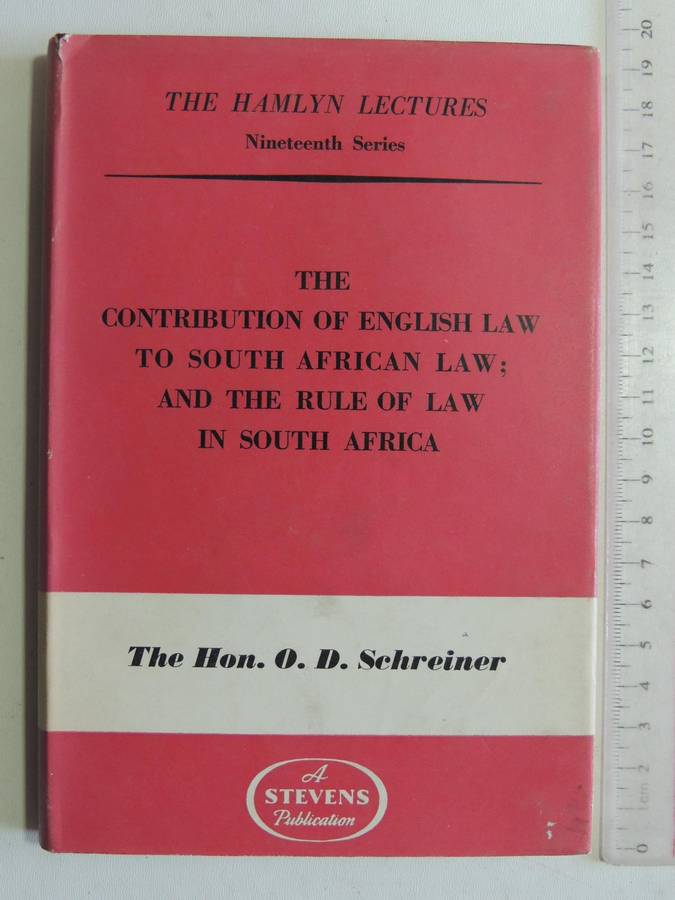
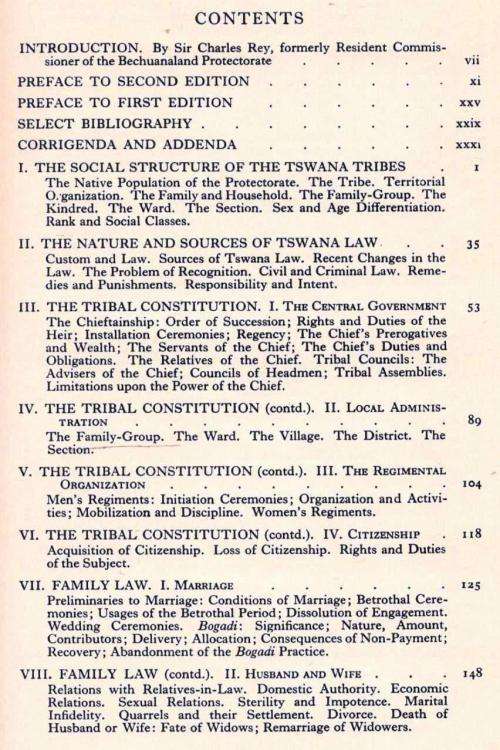
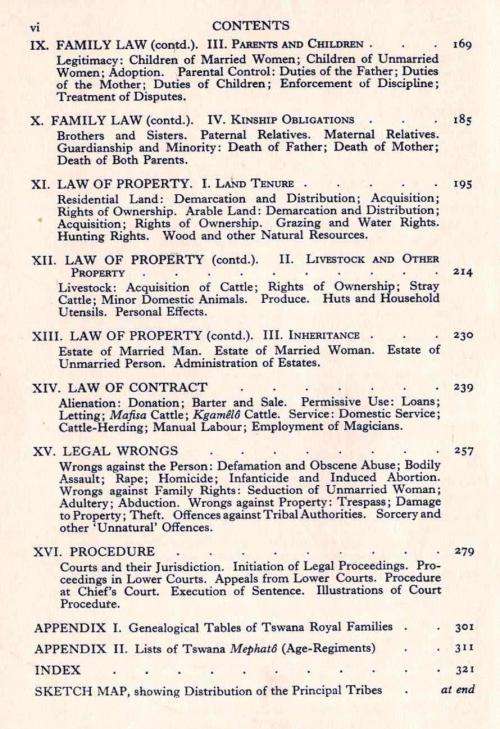
Second Edition, 1955, hardcover, incl. fold-out map of Bechuanaland Protectorate (Tribal Areas and Native Villages), published for the International African Institute by the Oxford University Press. hardcover, index, 328 pages, no dust jacket otherwise condition: as new.
The author, Isaac Schapera, was a British social anthropologist at the London School of Economics specialising in South Africa. He was notable for his contributions of ethnographic and typological studies of the indigenous peoples of Botswana and South Africa. Additionally, he was one of the founders of the group that would develop British social anthropology.
Not only did Schapera write numerous publications of his extensive research done in South Africa and Botswana, he published his work throughout his career (19231969), and even after he retired. As an anthropologist he focused on the lives and customs of the indigenous peoples of South Africa and was considered to be a specialist in the topic. Early in his career he would focus on studies of the Khoisan of South Africa until the 1930s, when he would begin to focus on Tswana of Botswana.
Schapera also received many honours and titles, such as being the president of the Royal Anthropology Institute.[4] Additionally, he was awarded an honorary doctorate when the University of Botswana was founded in 1985, was elected as Chair of the Association of Social Anthropology,[4] and the Journal of African Law was founded in his honour.