
| Main centres: | 1-3 business days |
| Regional areas: | 3-4 business days |
| Remote areas: | 3-5 business days |
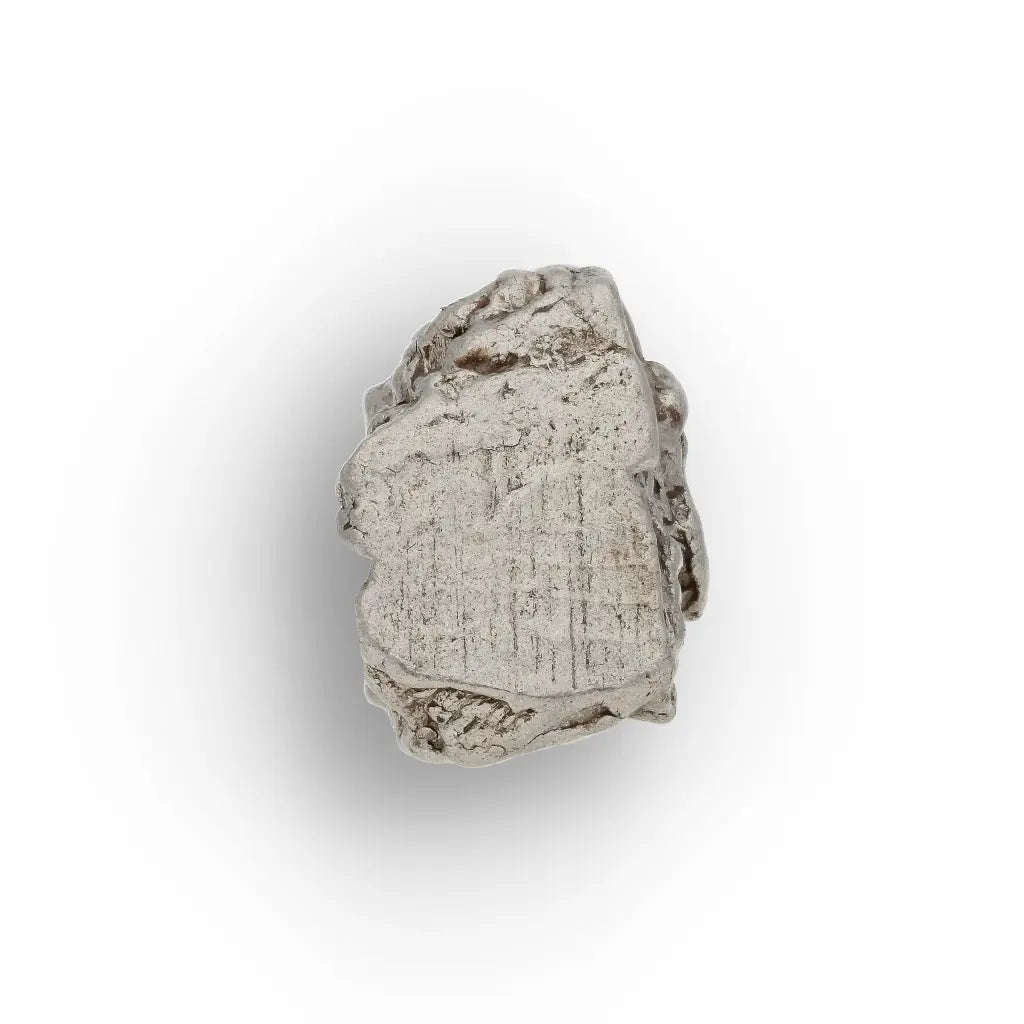
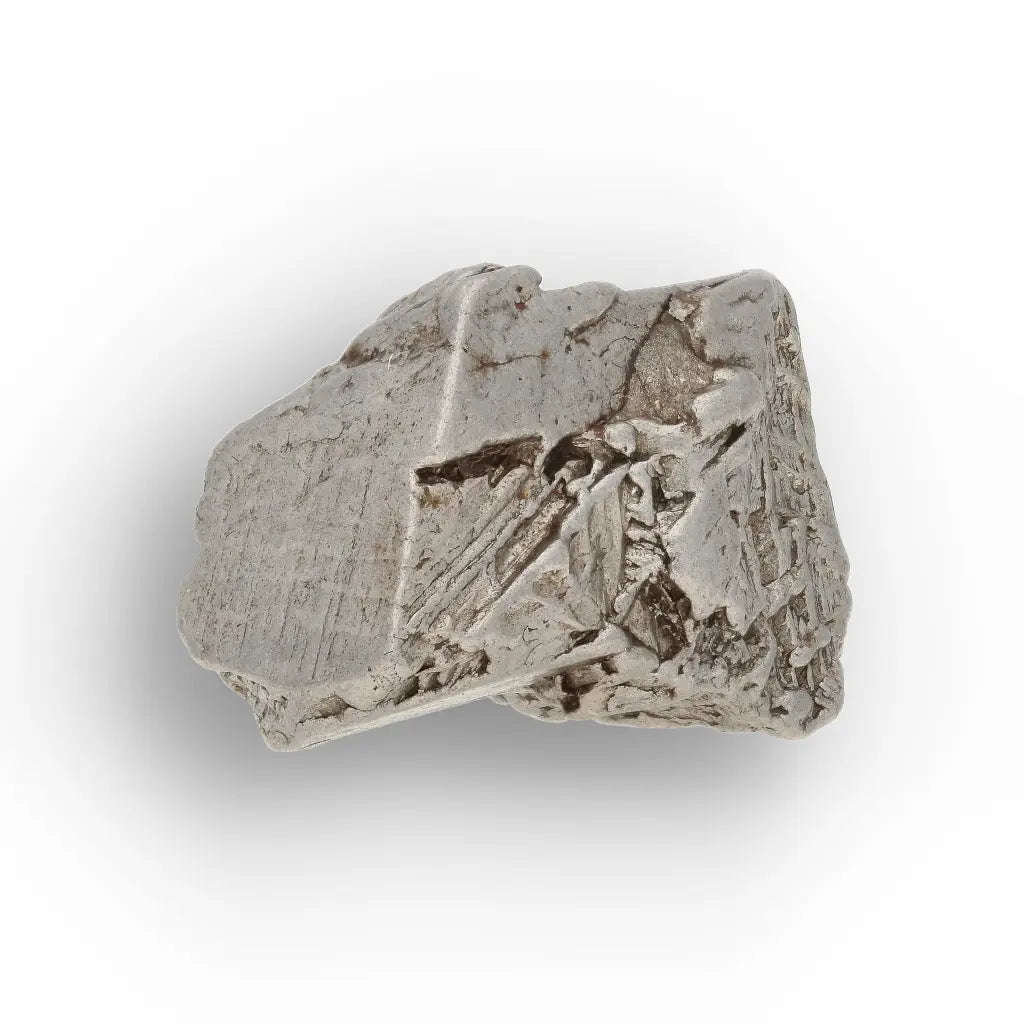
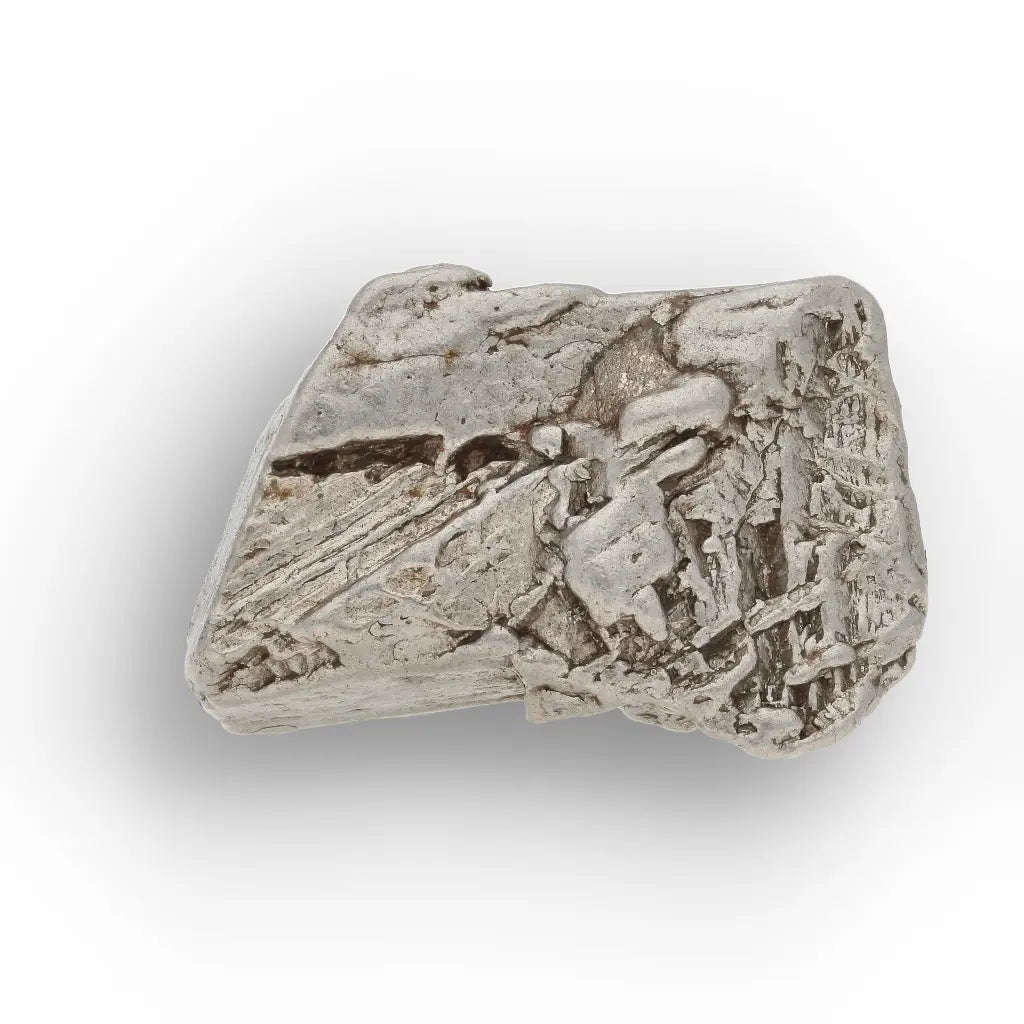
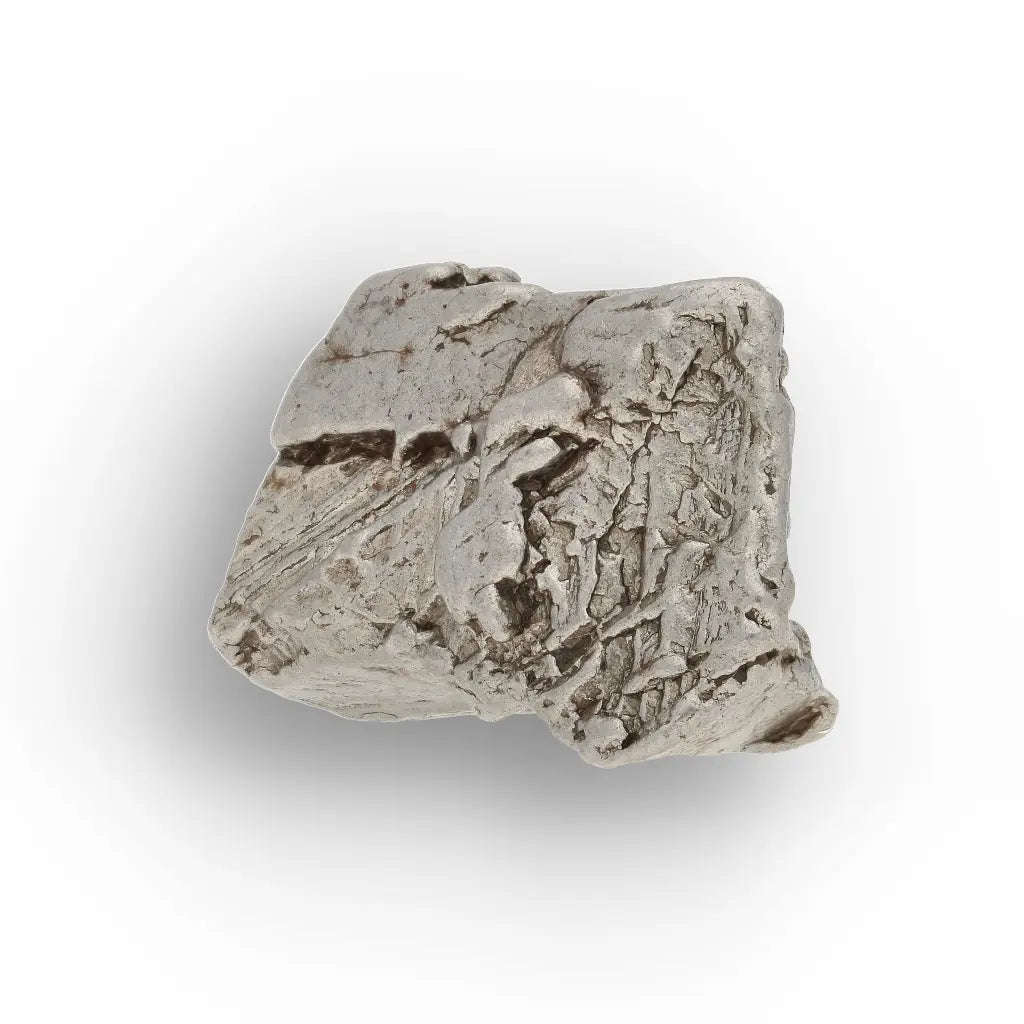
The Aletai meteorite takes its name from the Altay Prefecture in Northern China's Xinjiang region the landscape where fragments of one of the most remarkable iron meteorites ever discovered were gradually recovered over more than a century. First identified in 1898 under the name Armanty, the meteorite was known by several names as additional masses came to light. It was not until 2016 that the scientific community formally unified all known fragments under the single name Aletai, confirming what the chemistry had long suggested: that every recovered mass originated from the same ancient cosmic body.
The Altay Prefecture was the final destination of a fall that produced the largest meteorite strewn field ever recorded on Earth at least 430 kilometres long, almost certainly the result of a unique stone-skipping atmospheric trajectory. Total recovered mass exceeds 74 tonnes, placing Aletai among the most massive iron meteorite falls on record.
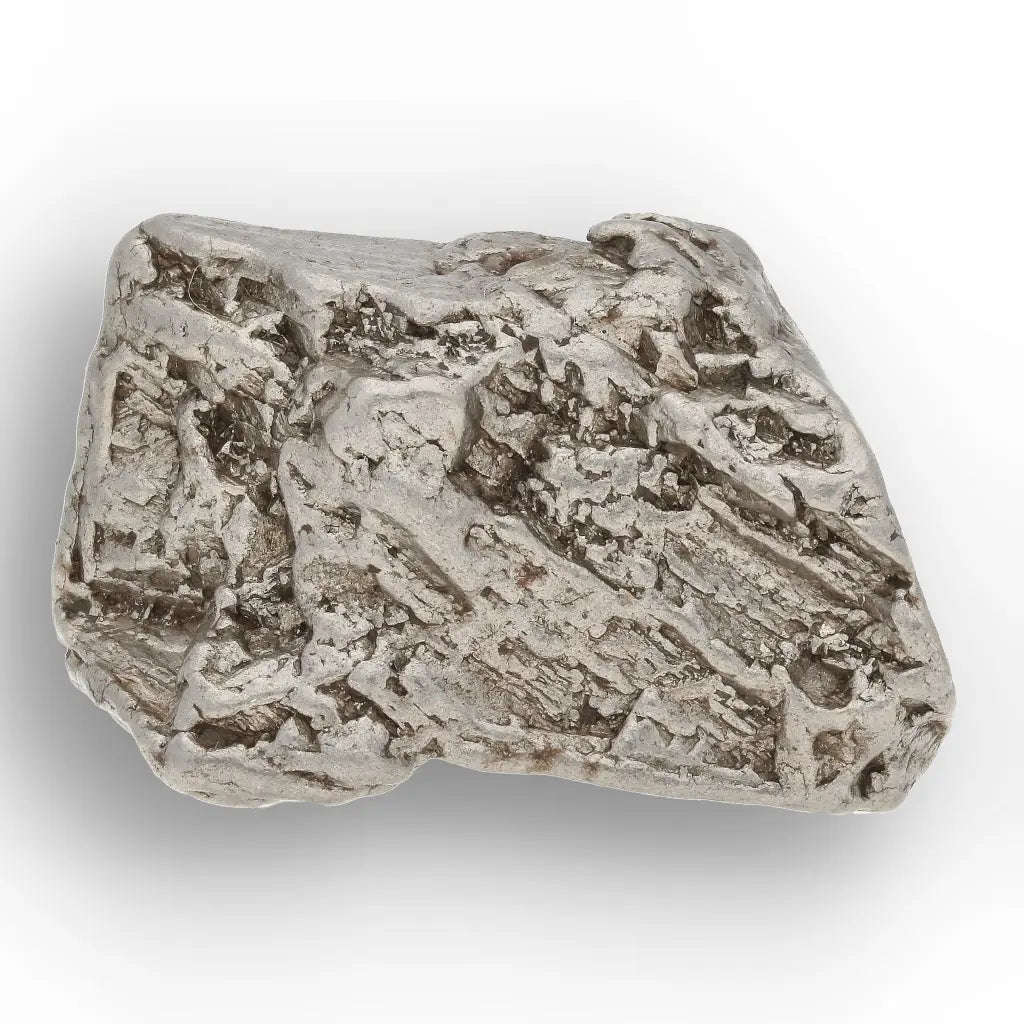
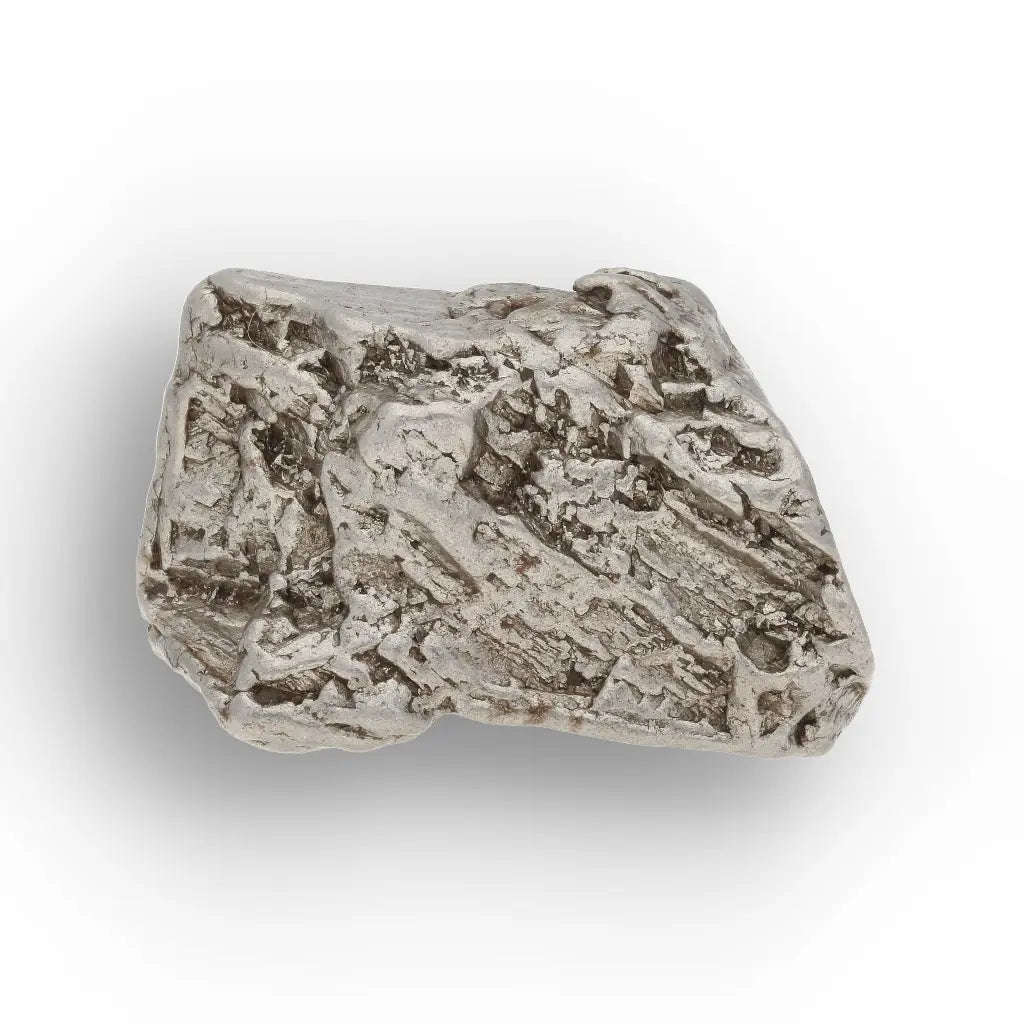
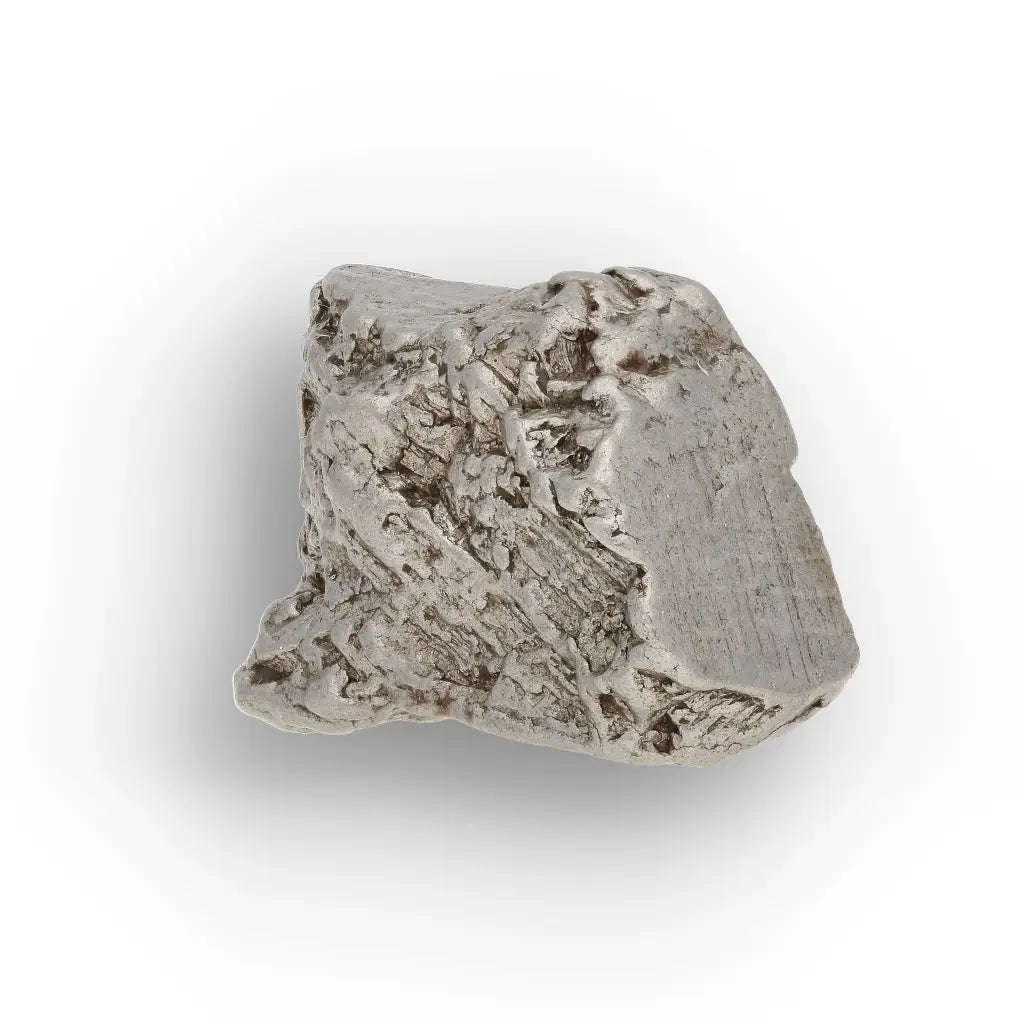
Classified as an anomalous IIIE iron meteorite and a coarse octahedrite unlike any other known sample, the Aletai meteorite carries a mineralogy rich in kamacite, taenite, plessite, and rare accessory minerals, alongside elevated cobalt, gold, and iridium. Its Widmanstätten pattern is distinct even from other IIIE irons. This is a meteorite that rewards both the collector and the scientist.
Meteorite Type: Anomalous IIIE Iron Meteorite (Coarse Octahedrite)
Composition: Kamacite, Taenite, Plessite; elevated Cobalt, Gold & Iridium
Accessory Minerals: Schreibersite, Troilite, Cohenite, Haxonite, Daubréelite
Strewn Field: 430+ km longest ever recorded on Earth
Total Recovered Mass: Exceeds 74 tonnes
Fall Location: Northern Xinjiang (Altay Prefecture), China
First Identified: 1898 (as Armanty); formally named Aletai in 2016
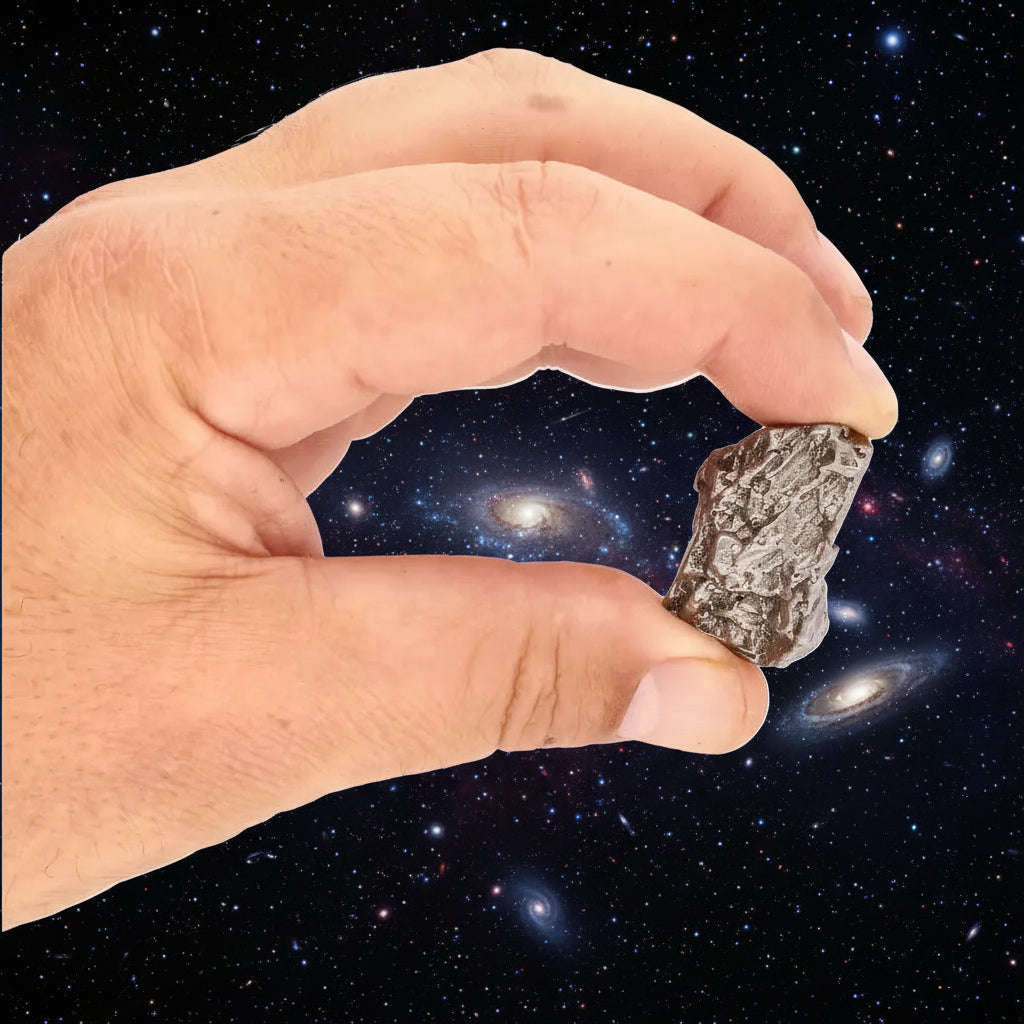
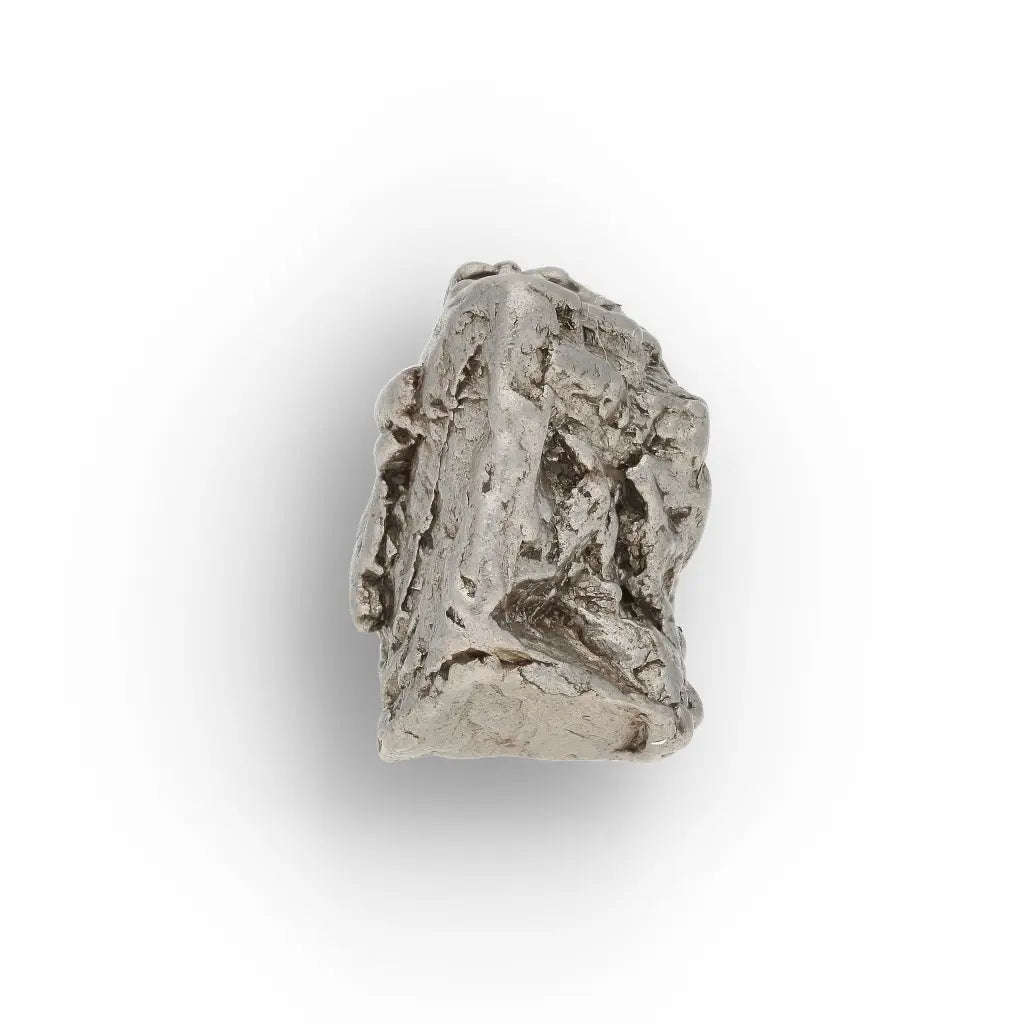
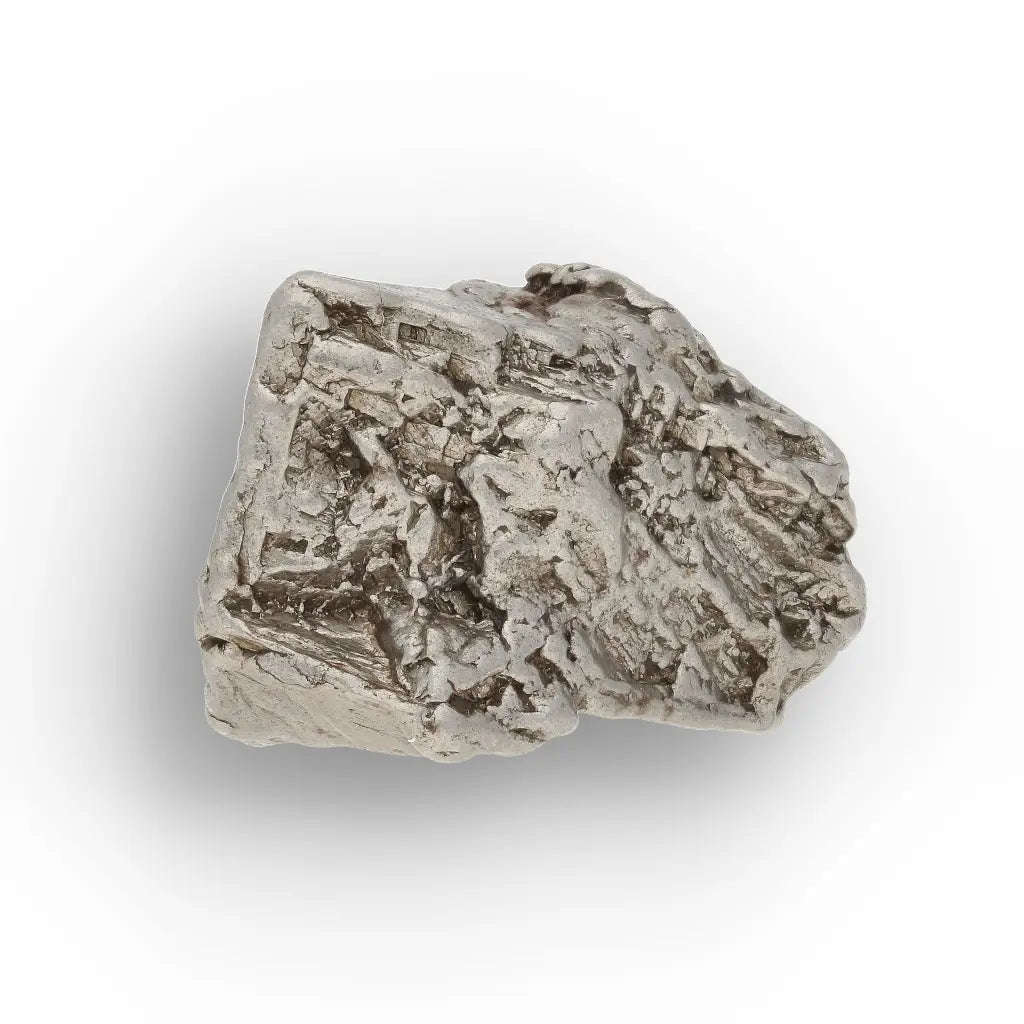
Specimen Size: 32mm x 19mm x 13mm
Weight: 35 gram
Own a genuine Aletai meteorite from the Altay Prefecture a fragment of China's most extraordinary cosmic event, formally named in 2016.