Car diagnostic tools are essential devices that help identify, monitor, and troubleshoot issues within modern vehicles. As cars become increasingly computerised, these tools have become the bridge between drivers and the complex electronic systems inside their vehicles.
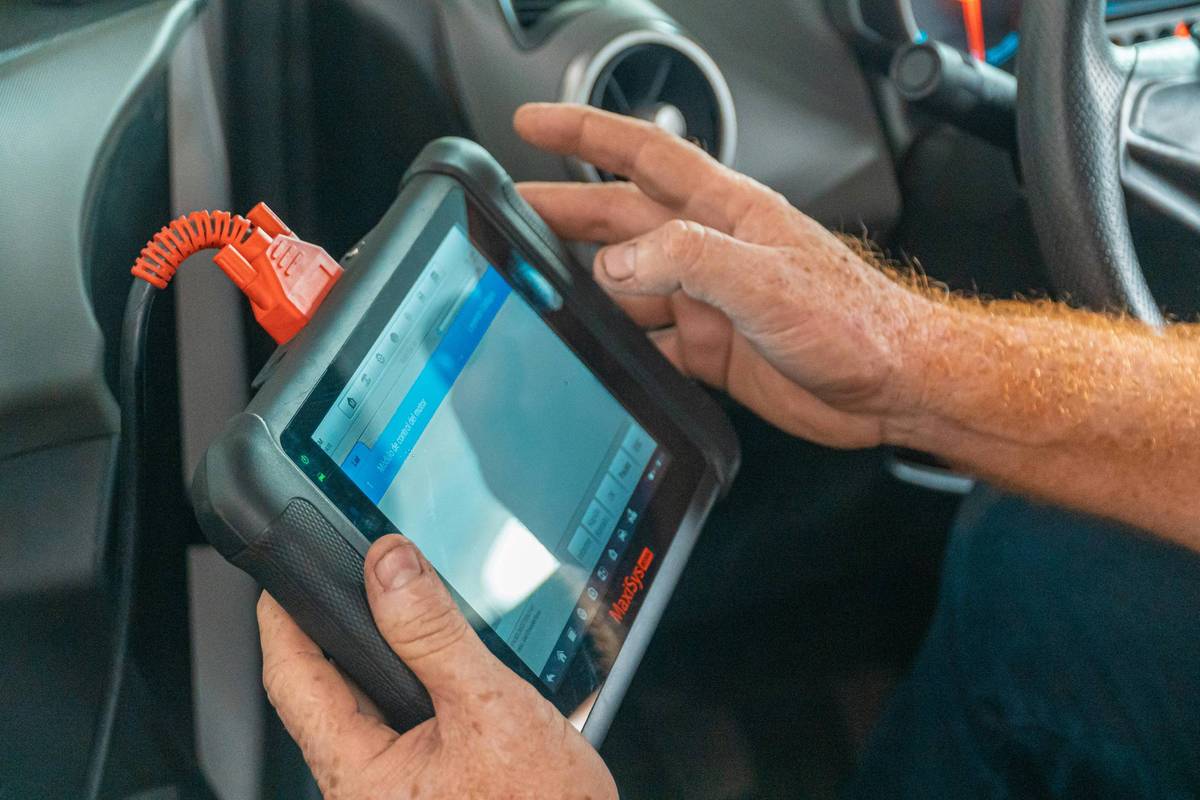
Car diagnostic tools (also known as OBD2 scanners or diagnostic scanners) are electronic devices that connect to a vehicles onboard computer system. They read information from sensors and control modules, helping to detect faults and provide diagnostic trouble codes (DTCs) that explain what might be wrong.
In simple terms, they translate your cars warning lights into understandable information.
Most modern vehicles have an OBD2 (On-Board Diagnostics) port, usually located under the dashboard on the drivers side. When a diagnostic tool is plugged in, it communicates with the cars computer system and retrieves data such as:
If something is wrong, like a misfire, sensor failure, or emissions issue, the system generates a code that the scanner can read.
Not all diagnostic tools are the same. They range from simple to highly advanced:
1. Basic Code Readers
These are entry-level tools that can read and clear engine fault codes. Theyre ideal for everyday drivers who just want to understand warning lights.
2. Full OBD2 Scanners
These offer more detail, including live data, emissions checks, and system tests. Theyre useful for DIY enthusiasts who want deeper insight into vehicle health.
3. Multi-System Diagnostic Scanners
These tools go beyond the engine and can access systems like ABS, airbags, transmission, and more. They are commonly used by experienced DIY users and mechanics.
4. Professional Diagnostic Systems
Advanced tools used in workshops can perform in-depth diagnostics, run system tests, and sometimes even activate or control vehicle components for testing purposes.
Car diagnostic tools are used in a variety of settings:
When selecting a car diagnostic tool, consider:
Car diagnostic tools have become an essential part of modern vehicle ownership. They empower drivers to better understand their cars, reduce repair costs, and make informed maintenance decisions. Whether youre a casual driver or a car enthusiast, having access to a diagnostic tool can save time, money, and unnecessary stress when that warning light appears on your dashboard.
