Gas stove safety tips every homeowner should know
Most homeowners don't realise how simple mistakes can turn a gas stove from a helpful tool into a hazard. If you love cooking with gas, knowing the right safety steps can protect your family and your home. This guide covers essential gas stove safety tips that keep your kitchen safe while you enjoy the many gas stove benefits. Let's start by understanding what sets gas stoves apart from electric ones and how to maintain yours properly.
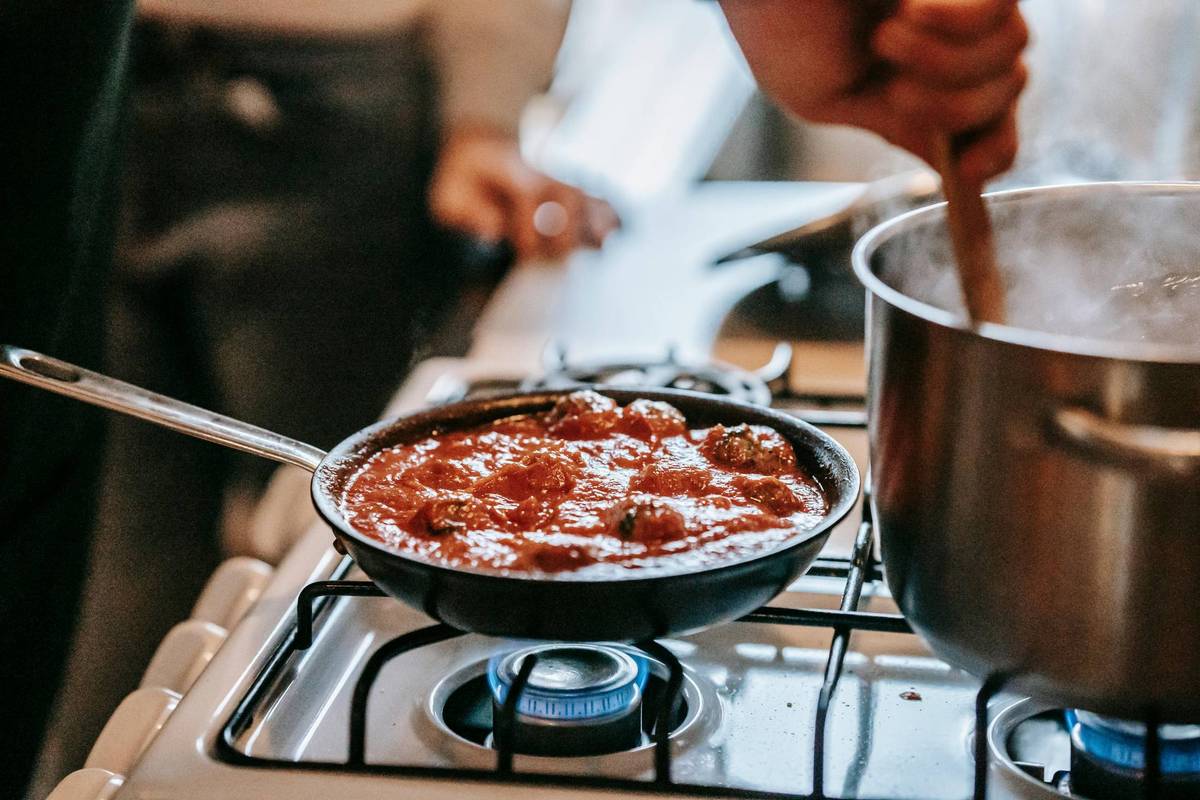
Gas stove vs electric: Key differences
Gas stoves offer instant heat control and are preferred by many cooking enthusiasts for their precise temperature adjustments. Unlike electric stoves that take time to heat up and cool down, gas burners respond immediately when adjusted. This responsiveness makes gas stoves perfect for recipes requiring quick temperature changes.
The benefits of cooking with gas
When it comes to gas stove benefits, the list is impressive. Gas ranges provide even heating, cost less to operate in most areas, and continue working during power outages. Professional chefs often choose gas for its ability to char vegetables and provide direct flame for certain cooking techniques. The visible flame also helps cooks judge heat levels without guessing.
Essential safety tips
Before you start cooking:
- Check for gas smells before lighting. If you detect a rotten egg odor, don't light the stove and call a professional.
- Keep the area around your stove clear of flammable items like paper towels, dish cloths, and cooking oils.
- Make sure smoke detectors and carbon monoxide detectors are working properly.
- Wear fitted clothing while cooking to prevent fabric from catching fire.
While using your gas stove:
- Never leave cooking food unattended, especially when frying or using high heat.
- Keep pot handles turned inward to prevent accidental spills.
- Use the right pot size for each burner to ensure stable cooking.
- Watch for flames that appear orange or yellow instead of blue, which may indicate improper combustion.
- If a pot boils over and extinguishes the flame, turn off the burner and wait before relighting.
Maintenance for safety and longevity
Proper gas stove maintenance not only extends the life of your appliance but also prevents safety issues:
- Clean burners and grates regularly to prevent food buildup that can block gas flow.
- Check that burner flames are blue and even across all ports.
- Clean the ventilation hood and replace filters as recommended.
- Schedule annual inspections by qualified technicians to check gas connections and overall operation.
Troubleshooting common issues
If burners won't light or the flame looks unusual, try these steps:
- Clean burner ports with a pin to remove food debris.
- Check that burner caps are properly seated.
- For persistent issues, consult your owner's manual or call a professional.
Making the most of your gas range
Gas stoves allow for some unique cooking approaches:
- Use the direct flame for roasting peppers or toasting tortillas.
- Take advantage of quick temperature changes for delicate sauces.
- Use flat-bottomed cookware for better heat transfer.
- Lower flames to reduce energy use while still maintaining cooking temperatures.
What to do in an emergency
If you smell gas or suspect a leak:
- Don't light matches or turn on electrical switches.
- Turn off the gas supply if you can reach it safely.
- Open windows and doors for ventilation.
- Leave the house and call your gas company from a safe location.
- Don't return until professionals have cleared your home.
By following these gas stove safety tips, you'll enjoy all the cooking advantages gas provides while keeping your kitchen a safe place for creating delicious meals. Remember that proper maintenance and careful use are the keys to a long and safe relationship with your gas stove.
