This auction has been won.
View other items offered by Juan Janse van Rensburg434
Leading
HERITAGE COLLECTIONS1024 1 × R445.00
1 May 22:16
Runner-up
CorWil7100110 1 × R445.00
3 May 19:44

Similar products

Berkeley & Co. 1899 (Second Boer warera) Berkeley & Co. 1899 (Second Boer warera) Berkeley & Co. 1899 (Second Boer warera) Berkeley & Co. 1899 (Second Boer warera)
Sold

Berkeley & Co. 1899 (Second Boer warera)

Secondhand 1 was available
R15.00 minimum increment
R445.00
Shipping
R35.00 Standard shipping using one of our trusted couriers applies to most areas in South Africa. Some areas may attract a R30.00 surcharge. This will be calculated at checkout if applicable.
Check my rate
The seller has indicated that they will usually have this item ready to ship within 3 business days. Shipping time depends on your delivery address. The most accurate delivery time will be calculated at checkout, but in general, the following shipping times apply:
 
Standard Delivery
Main centres:  1-3 business days
Regional areas: 3-4 business days
Remote areas: 3-5 business days
Buyer protection

Product details

Condition
Secondhand
Location
South Africa
Bob Shop ID
678397742

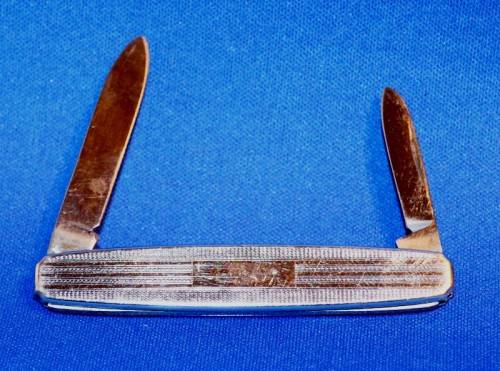
Berkeley & Co 1899 Stamped and Arrow Stamp. In Excellent condition and rare item.

BERKELEY & CO 1899": This identifies the manufacturer and the year of production. Berkeley & Co. was a known contractor for the British military during this era, and 1899 was the first year of the Second Boer War (18991902). These tools were widely issued to soldiers for maintaining their horses' hooves in the field.
The Arrow Stamp: This is the Broad Arrow (or "crow's foot"), a symbol used for centuries to denote British Government property. It signifies that the item was officially purchased and issued by the Board of Ordnance or the War Department

Historical Significance
Tools like this are highly collectible as pieces of Boer War or early World War I military history. They were designed to be compact so a "horse soldier" could easily carry it in a pocket or kit bag to keep their horses feet clear of stones and debris, which was vital for keeping the animal fit for service.