Made by Big5 Cookware (Pty) Ltd at our Thaba Nchu, Free State factory since 1977. A South African manufacturer alternative to imported and LK's Best Duty / CHEF Supreme cast iron available in 8 sizes (No. 1/4 from R249 to No. 25 at R4,999) and ships across South Africa with free delivery on orders over R800.
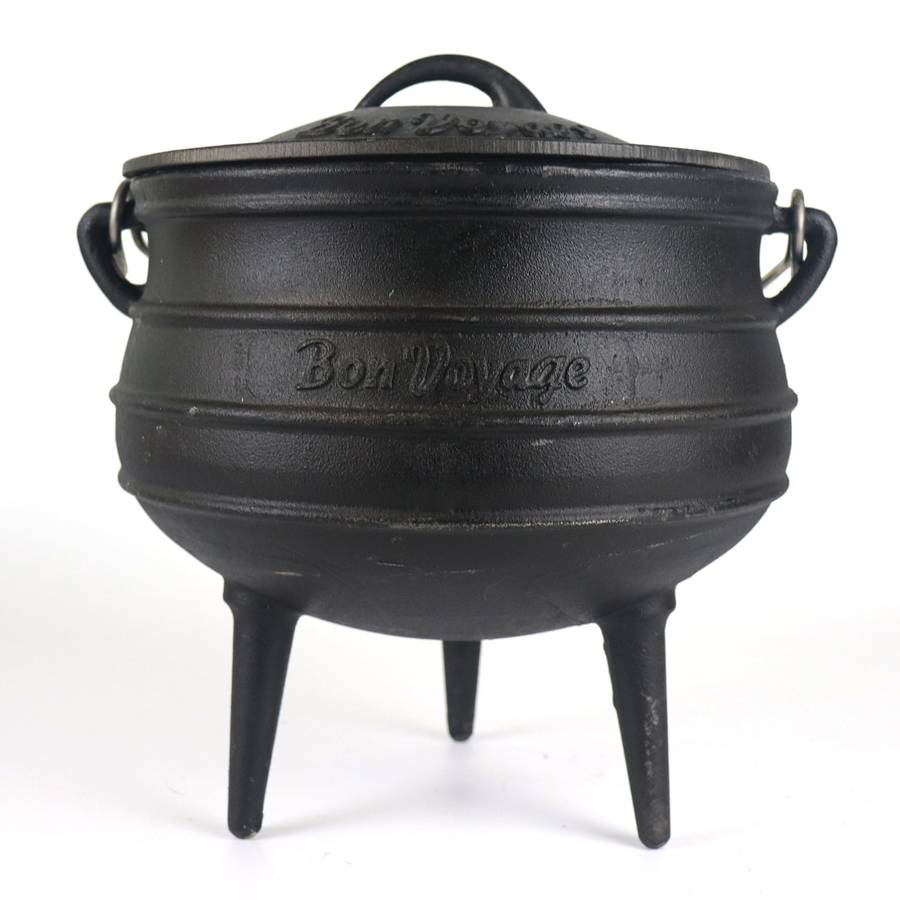
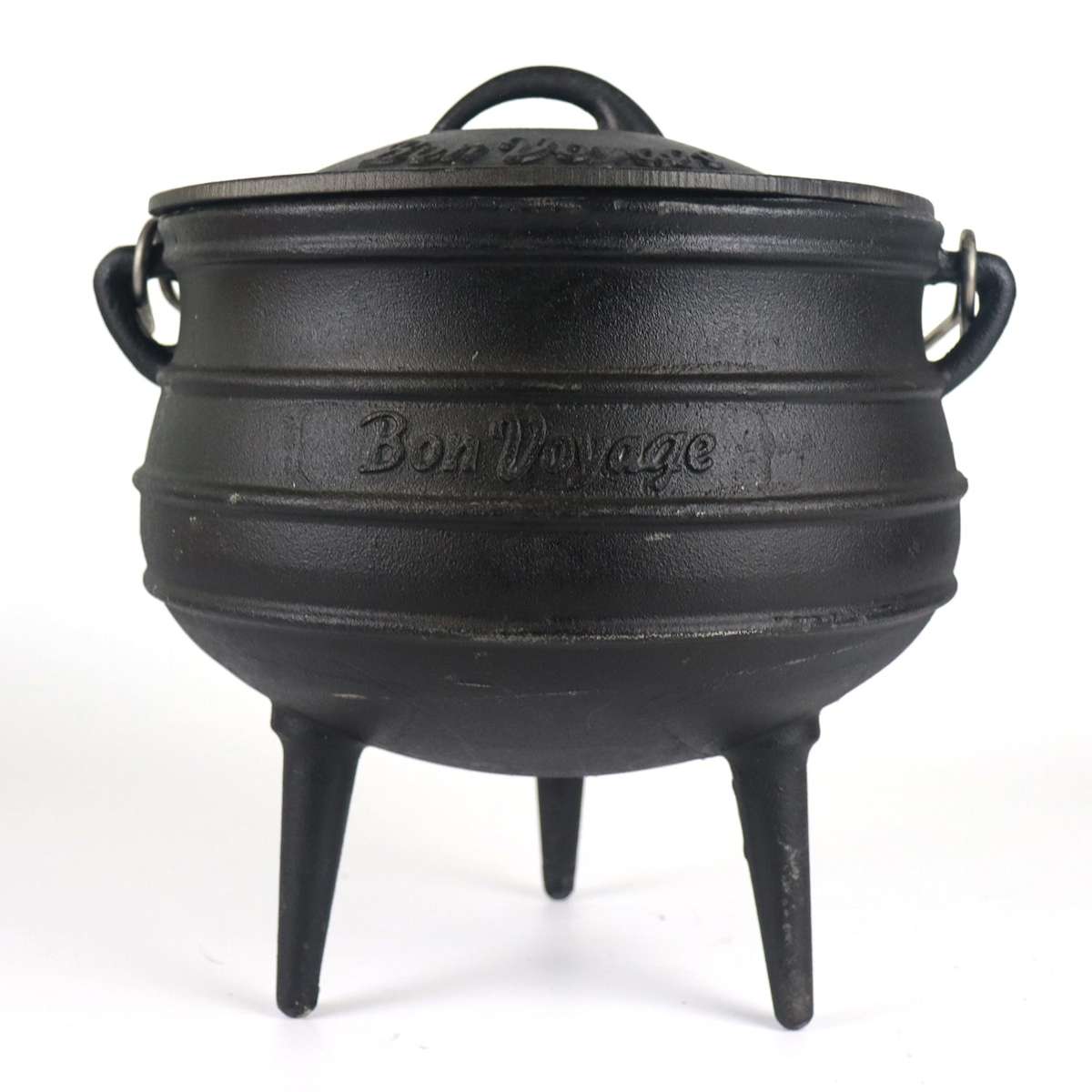
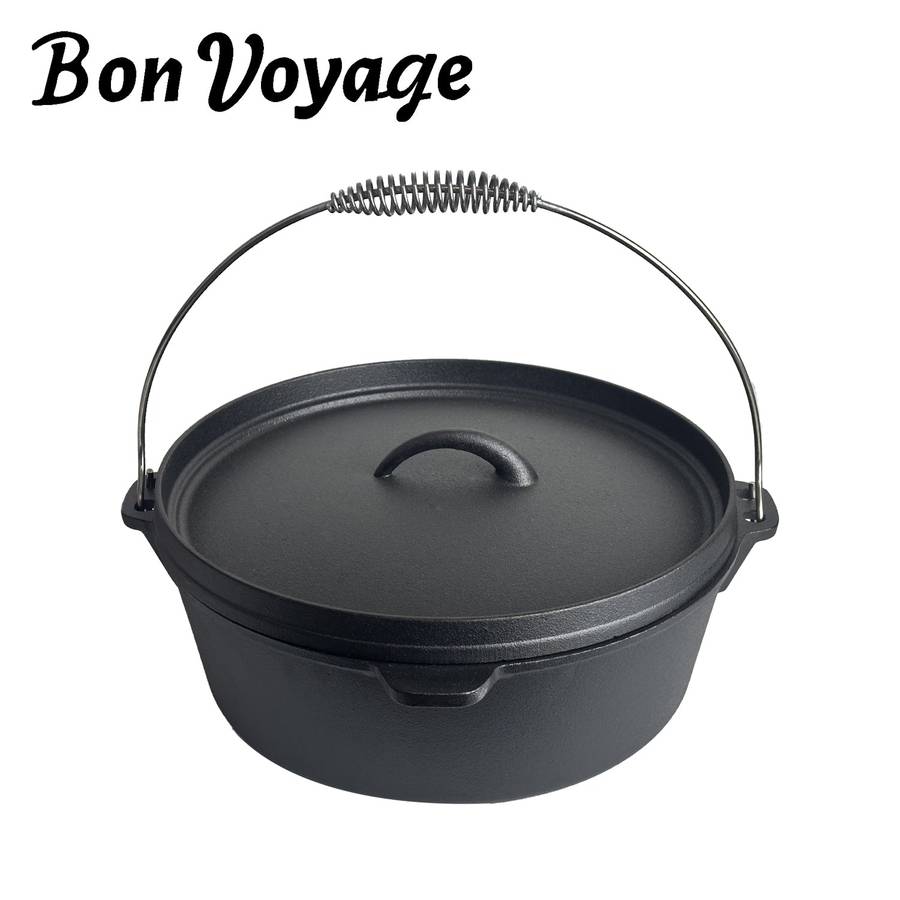
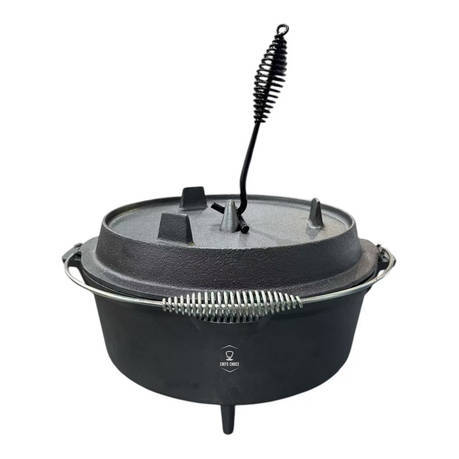
Bon Voyage 3-Leg Cast Iron Potjie Pot traditional South African design
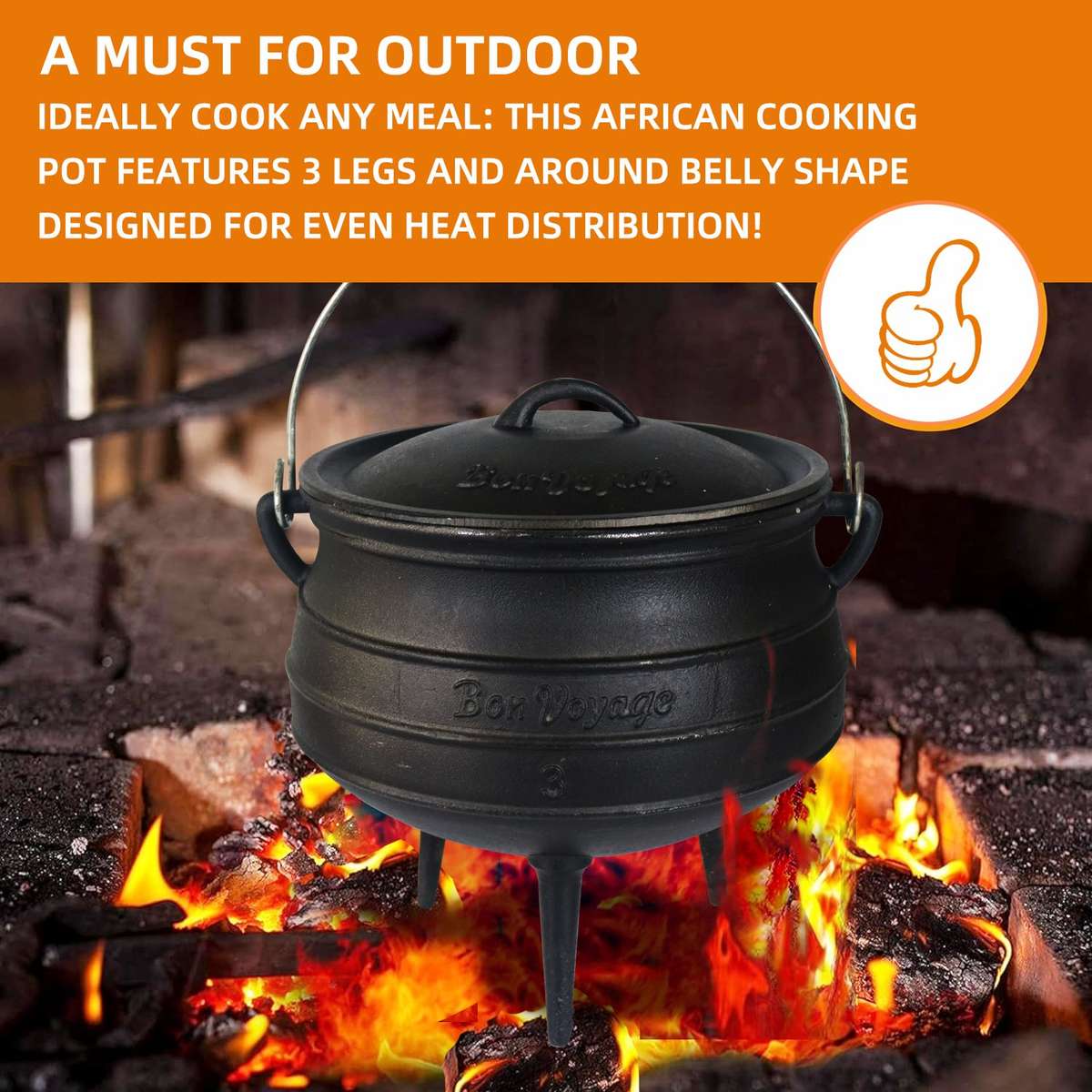
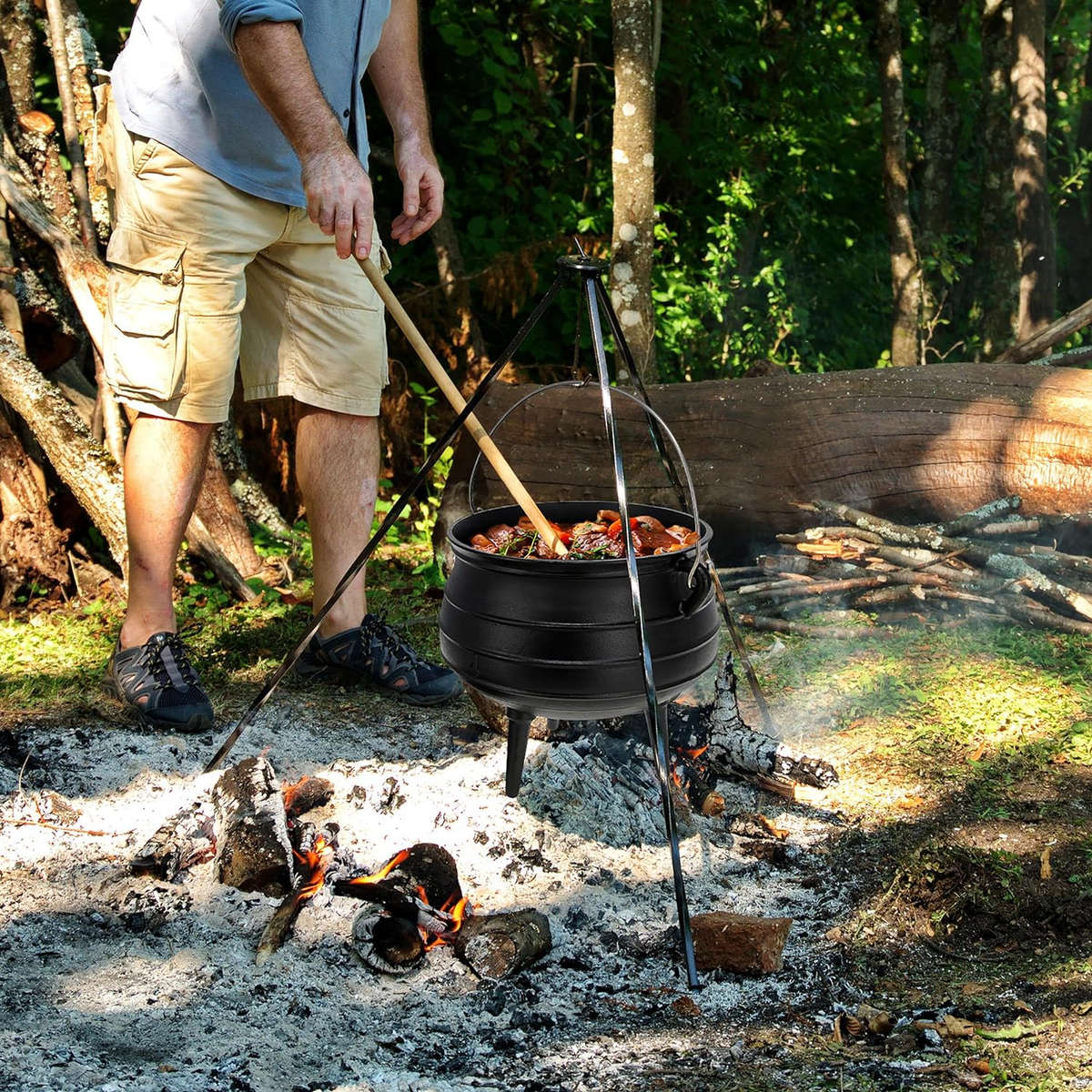
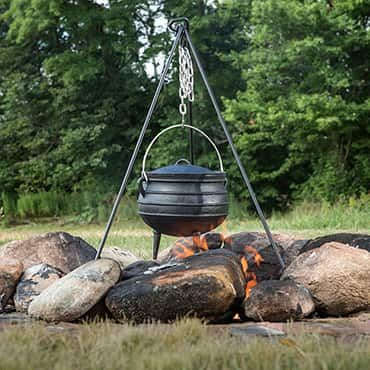
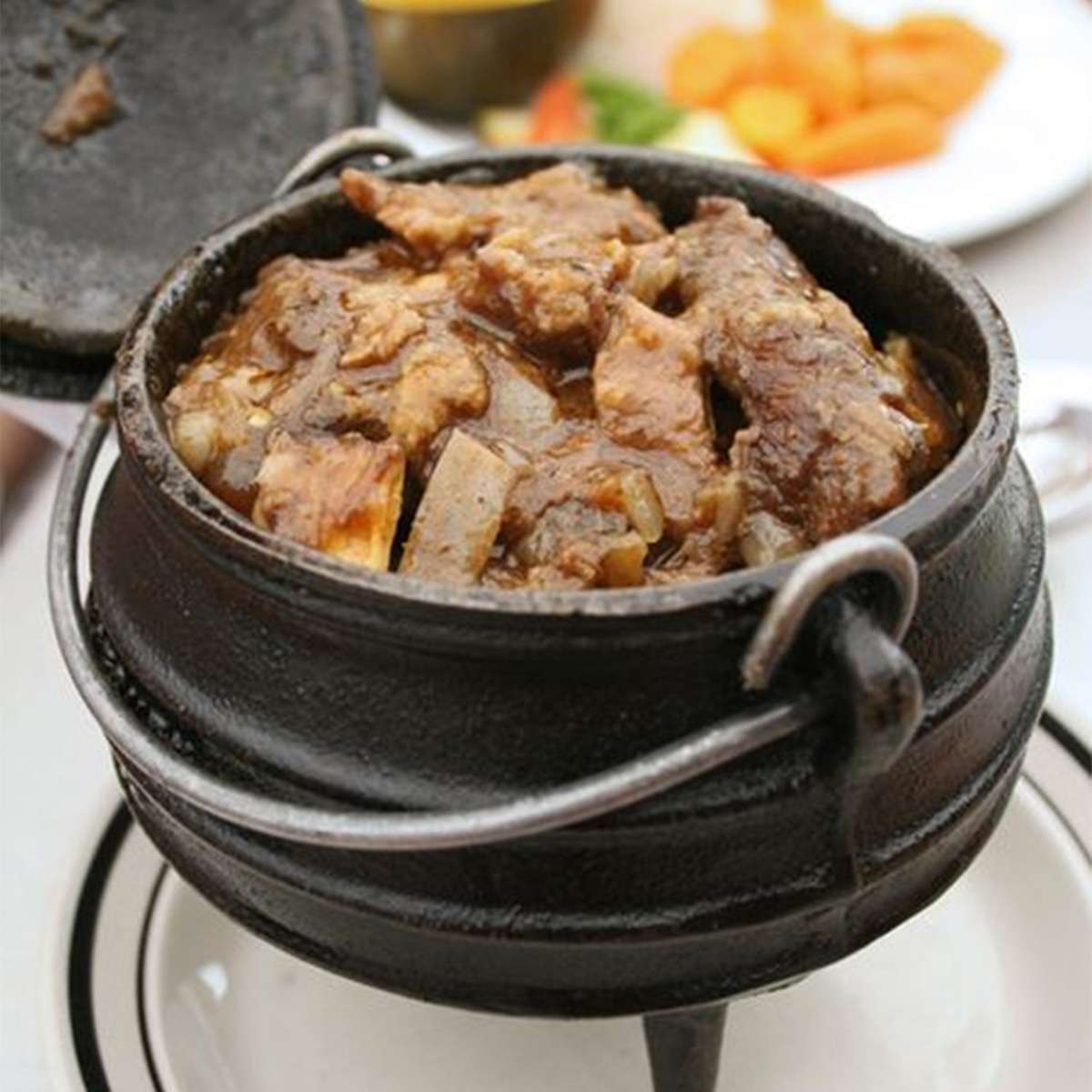
Traditional three-leg cast iron potjie pot for cooking potjiekos over open coals, on a braai, or on a campfire. Excellent heat retention and even heat distribution. Available in 8 sizes from No. 1/4 (single-serve, R 249) to No. 25 (community event, R 4,999).
- Cast iron potjie pot with top side handles and three legs for direct-on-coals cooking
- Even heat distribution and superior heat retention for slow-cooked stews and potjiekos
- Pre-seasoning recommended before first use; improves with every cook
- Hand wash only do not use soap or harsh abrasives (destroys the patina)
- Always use hot-pads, oven mitts, or potholders when moving the pot
- Use over coals, on a braai, on a gas stove, or in the oven
- Manufactured at the Big5 Cookware factory in Thaba Nchu, Free State since 1977
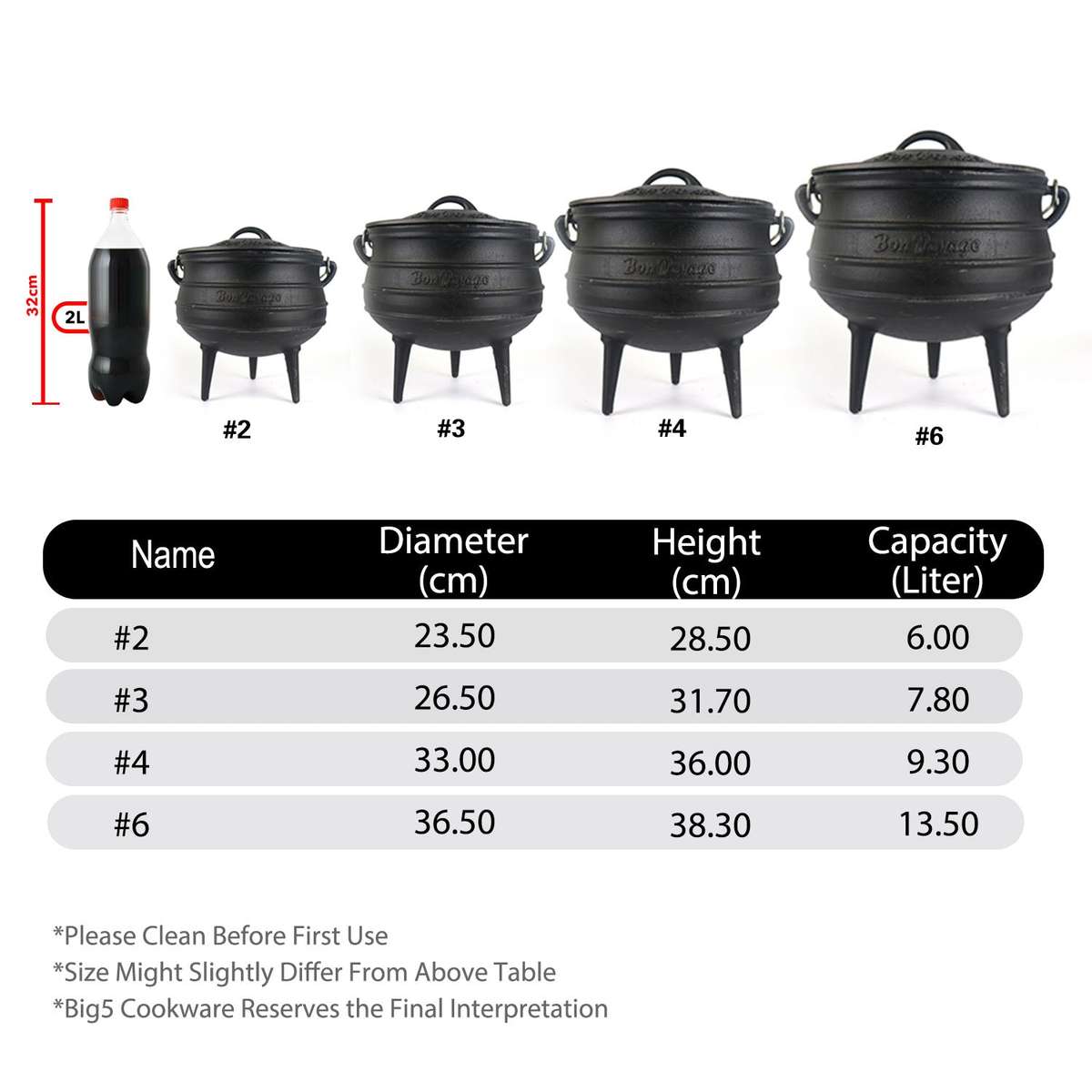
Sizes available:


(*Dimensions are measured manually, please understand they may differ slightly from the actual sizes)


Frequently Asked Questions
What size potjie do I need? How many people does each size feed?
Potjie sizes follow the traditional South African numbering system. As a guide for full-meal portions (potjiekos, stew, breyani, curry over rice): No. 1/4 feeds 12 people; No. 1 feeds 34; No. 2 feeds 68; No. 3 feeds 1012; No. 4 feeds 1418; No. 6 feeds 2025; No. 10 feeds 4050; No. 14 feeds 6070; No. 20 feeds 90110; No. 25 feeds 130+ people. Most South African households use No. 2 or No. 3 for family use; caterers and braai clubs typically own a No. 6 or larger.
How do I season my new potjie pot?
Cast iron must be seasoned before first use. (1) Wash the pot with hot water only no soap and dry it thoroughly over heat to remove all moisture. (2) Rub a thin layer of heat-resistant neutral vegetable oil (sunflower, canola, or grape-seed) on all surfaces, inside and out. (3) Place the pot upside down in an oven at 200 °C for about one hour. (4) Allow to cool completely, then wipe off any excess oil with a paper towel. Repeat the oil + bake cycle 23 times for a strong initial patina. Reseason occasionally to maintain the patina.
How do I clean a potjie pot?
Only use hot water and a stiff brush or chainmail scrubber. Never use soap, dishwasher tablets, or harsh abrasives these strip the patina and ruin the pot. For stuck-on food, simmer water in the pot for 10 minutes, then scrape with a wooden spoon. Dry over heat immediately (do not air-dry rust will form), then rub a thin layer of cooking oil on all surfaces. Store with the lid off and a sheet of absorbent paper inside to keep moisture out.
My potjie is rusty. Can I save it?
Yes. Rust is reversible on cast iron. (1) Scrub the rust off with steel wool or coarse salt + a little vegetable oil until the rust is gone. (2) Rinse with hot water, no soap. (3) Dry over heat immediately. (4) Re-season the pot following the seasoning instructions above. A heavily rusted pot may need 34 seasoning cycles to recover its patina.
Can I use a potjie pot indoors on a gas stove?
Yes. Cast iron potjie pots work on gas stoves, electric coil stoves, ceramic glass tops (use a heat diffuser to protect the glass from the rough cast iron base), and in the oven. Induction-compatible: cast iron is magnetic, so yes. The traditional three-leg design is intended for direct placement on coals or in a fire indoors on a stove, the legs raise the pot slightly above the burner which can affect heating; many cooks remove the legs or place the pot on a trivet for indoor use.
How does the Bon Voyage potjie compare to LK's, Best Duty, or imported potjie pots?
Bon Voyage is the local South African manufactured potjie pot, made at the Big5 Cookware factory in Thaba Nchu, Free State since 1977. Best Duty / LK's and CHEF Supreme are well-established competing potjie brands sold in South Africa. Bon Voyage is positioned on value-for-money and direct-from-factory pricing, with 8 sizes from R 249 (No. 1/4) to R 4,999 (No. 25). For competing brand price comparison, check Outdoor Warehouse, Builder's Warehouse, and Game.
Why does my cast iron potjie have small surface bumps or pitting?
Cast iron is poured into sand moulds, so the surface has small natural texture and occasional minor pitting. This is normal and does not affect cooking performance. The patina that builds up over use fills these in and creates a smooth, naturally non-stick cooking surface.
Where is the Bon Voyage 3-Leg Cast Iron Potjie Pot manufactured?
At the Big5 Cookware factory in Thaba Nchu, Free State, South Africa. Big5 Cookware has been manufacturing cookware at this facility since 1977.
{"@context":"https://schema.org","@type":"FAQPage","mainEntity":[{"@type":"Question","name":"What size potjie do I need? How many people does each size feed?","acceptedAnswer":{"@type":"Answer","text":"As a guide for full-meal portions: No. 1/4 feeds 1-2 people; No. 1 feeds 3-4; No. 2 feeds 6-8; No. 3 feeds 10-12; No. 4 feeds 14-18; No. 6 feeds 20-25; No. 10 feeds 40-50; No. 14 feeds 60-70; No. 20 feeds 90-110; No. 25 feeds 130+ people."}},{"@type":"Question","name":"How do I season my new potjie pot?","acceptedAnswer":{"@type":"Answer","text":"Cast iron must be seasoned before first use. (1) Wash with hot water only, no soap, and dry thoroughly over heat. (2) Rub a thin layer of neutral vegetable oil on all surfaces. (3) Place the pot upside down in an oven at 200 °C for one hour. (4) Allow to cool then wipe off excess oil. Repeat 2-3 times for a strong initial patina."}},{"@type":"Question","name":"How do I clean a potjie pot?","acceptedAnswer":{"@type":"Answer","text":"Only use hot water and a stiff brush or chainmail scrubber. Never use soap, dishwasher tablets, or harsh abrasives these strip the patina. For stuck-on food, simmer water in the pot for 10 minutes, then scrape with a wooden spoon. Dry over heat immediately, ...