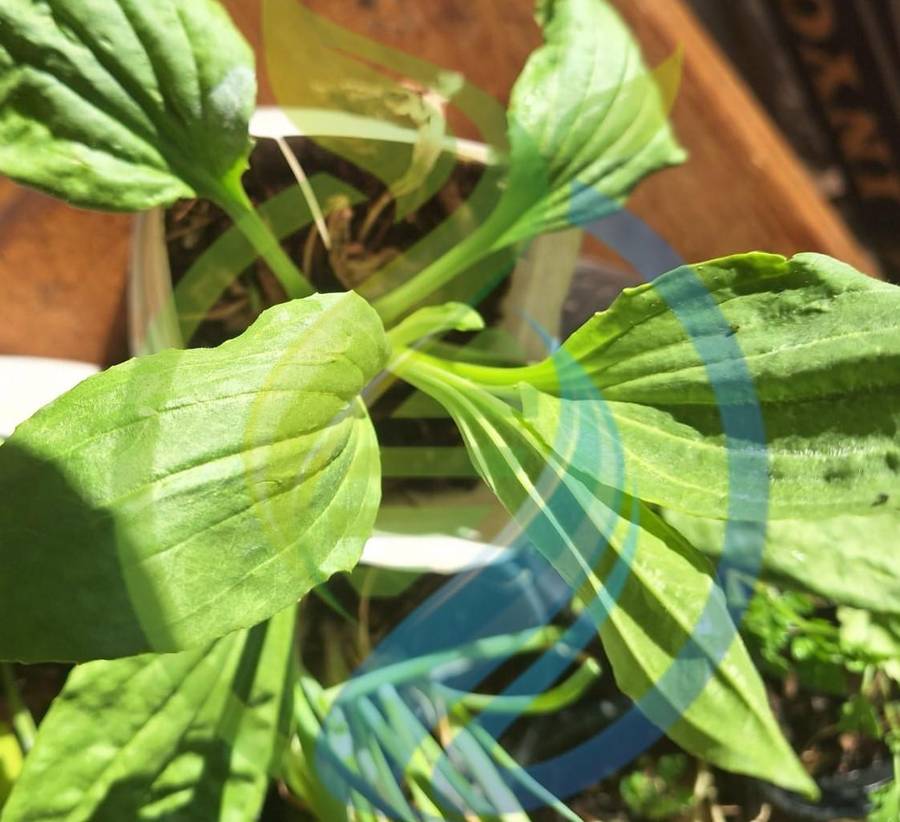
Broadleaf plantain (Plantago major) seeds are tiny, dark brown-to-black, and highly nutritious, often used for their laxative fiber (similar to psyllium) or as edible, nutty-flavored additions to cereals and porridge. These perennial, easy-to-grow seeds can be directly sown in spring or fall, thriving in full sun to partial shade, and are prized for their medicinal properties.
Growing and Cultivation Tips
Planting: Seeds should be surface-sown, as they need light to germinate, and barely covered with soil.
Germination: They typically germinate in 1430 days at temperatures between
(
). Cold stratification (placing in the refrigerator for a week) can improve germination rates.
Soil and Moisture: They prefer well-drained, fertile soil but are highly adaptable to diverse soil conditions, including clay and compacted soil. Keep the soil consistently moist until they establish.
Spacing: Space plants 1518 inches apart to allow for their wide leaves.
Uses and Characteristics
Nutritional Value: The leaves are high in calcium, iron, and vitamins A, C, and K.
Medicinal Properties: Known for anti-inflammatory, antibacterial, and wound-healing properties. A poultice made from the leaves is traditionally used for insect bites, rashes, and scrapes.
Culinary Uses: Young leaves are tender enough for salads, while older leaves are better cooked in soups and stews.
Harvesting: Seeds can be harvested from the long, slender, green spikes that appear in summer and fall.
They are considered highly resilient, often found in lawns and disturbed areas, making them an excellent, low-maintenance, and nutrient-dense addition to an edible, medicinal, or permaculture garden.