| Main centres: | 1-3 business days |
| Regional areas: | 3-4 business days |
| Remote areas: | 3-5 business days |
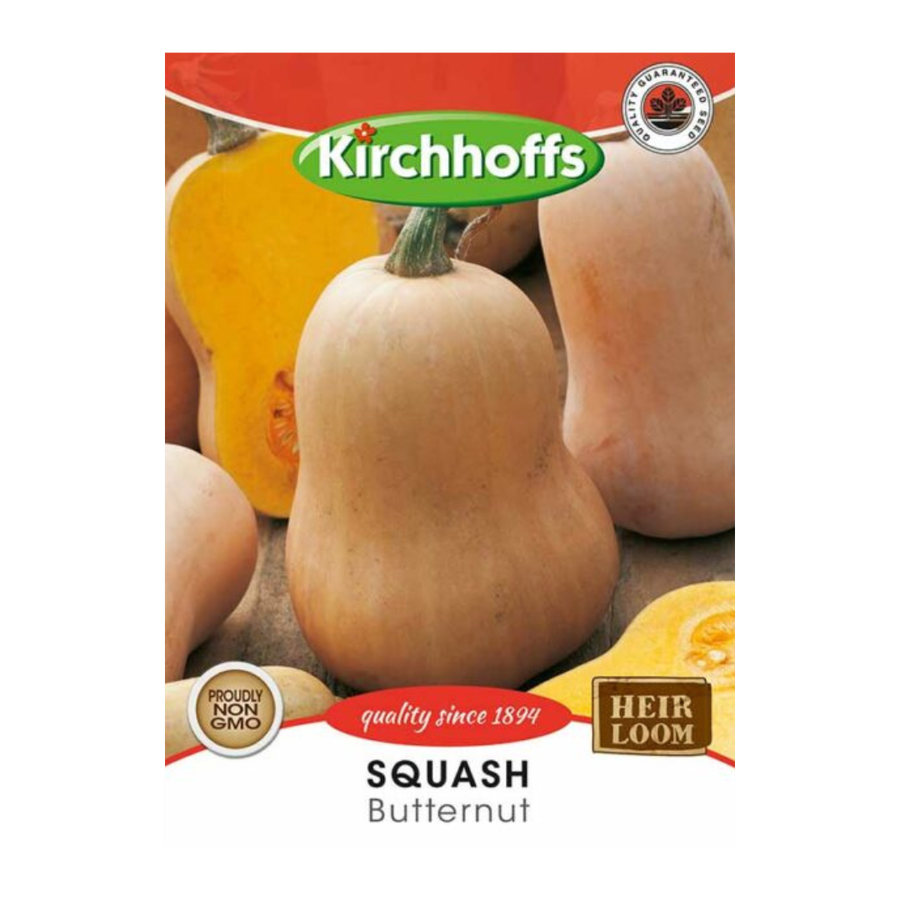
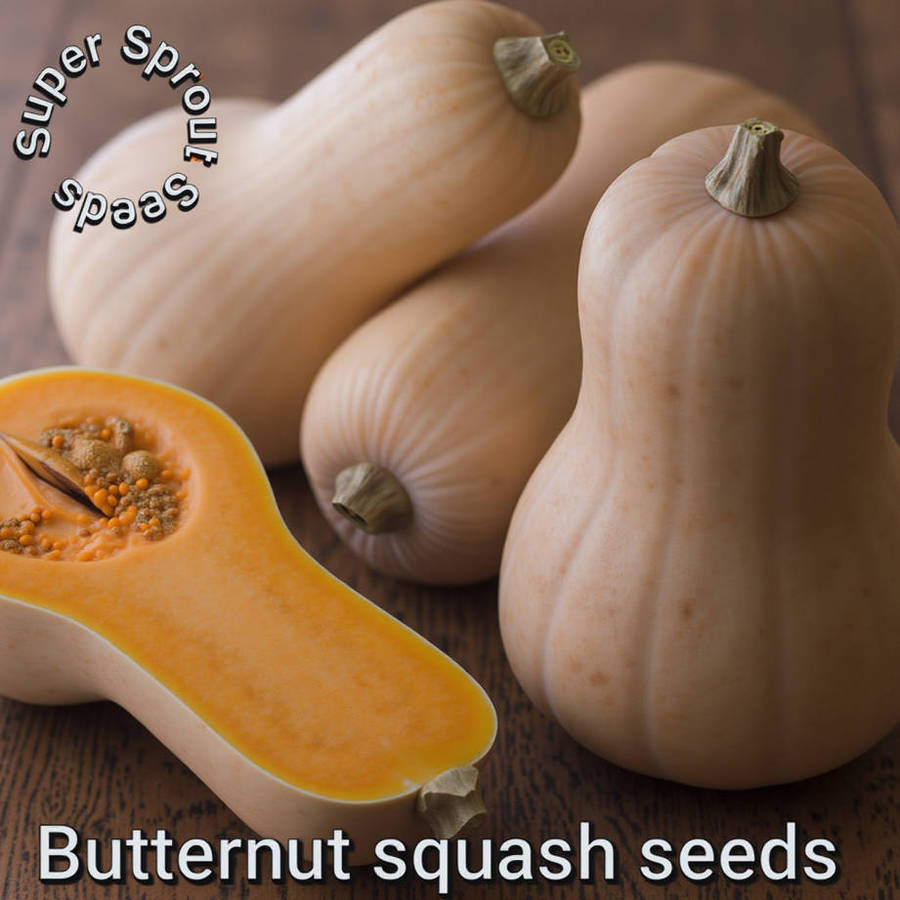
Butternut pumpkin is an annual winter squash known for its creamy, sweet, nutty flesh. While it is botanically a fruit, it is widely used as a vegetable in cooking. Butternut plants are heavy feeders that require warm temperatures and plenty of water to thrive.
Growing guide
Butternut pumpkins can be grown from seeds either indoors or directly in the garden. For the best chance of success, wait until all risk of frost has passed.
Sowing seeds indoors: This is best for gardeners in areas with shorter growing seasons, as it gives the plants a head start. Sow seeds in individual pots 23 weeks before the last frost, as the seedlings do not like having their roots disturbed when transplanting.
Sowing seeds outdoors: Seeds can be planted directly into the garden after the last frost has passed and the soil has warmed sufficiently.
Ideal conditions: Butternut plants need rich, well-draining soil with a slightly acidic to neutral pH between 5.5 and 7.0. They require full sun for at least 6 to 8 hours a day.
Watering: Butternut pumpkins require consistent water, about 2.5 cm per week, especially during fruit development. Water deeply and directly at the soil level to keep the foliage dry and prevent fungal diseases.
Fertilizing: The plants are heavy feeders and will benefit from a side dressing of compost or aged manure mid-season. Regular liquid fertilizer applications can also boost growth.
Harvesting: Butternut pumpkins are ready to harvest in autumn, typically 12 to 15 weeks after planting. The skin should be hard, and the stem should be shriveled and browning.