| Main centres: | 1-3 business days |
| Regional areas: | 3-4 business days |
| Remote areas: | 3-5 business days |
During World War II, the Douglas C-47 Skytrain (and its Navy variant, the R4D) served as the primary workhorse for Allied transport and airborne operations in the European Theater of Operations (ETO) and the Mediterranean Theater of Operations (MTO).
Key Operations & Missions
Airborne Assaults: C-47 units were critical in dropping paratroopers and towing gliders for major operations, including Operation Husky (Sicily), Operation Overlord (D-Day/Normandy), Operation Market Garden, and Operation Varsity (Crossing of the Rhine).
Resupply & Logistics: Units flew hazardous missions to drop supplies to trapped troops, most notably during the Siege of Bastogne (Operation Repulse).
Casualty Evacuation: These aircraft were frequently used to fly wounded soldiers from the front lines to base hospitals.
Special Operations: C-47s also participated in "carpetbagger" missions, dropping agents and supplies behind enemy lines.
The primary organization for these aircraft was the Troop Carrier Command (TCC) and its subordinate groups:
441st Troop Carrier Group (TCG): Noted for its role in the D-Day drops, particularly the 100th Troop Carrier Squadron (TCS).
1st Troop Carrier Command: Managed the overall training and deployment of transport units in the ETO/MTO.
Air Transport Command (ATC): Handled long-range logistics and the movement of personnel and cargo across theaters.
Naval Air Transport Service (NATS): Operated the R4D (the Navys version of the C-47) for maritime transport and supply.
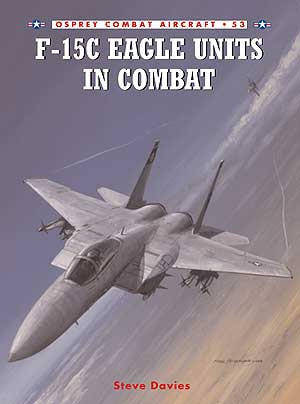
Osprey Combat Aircraft #54: C-47/R4D Units of the ETO and MTO contains technical details and color profiles of specific aircraft markings.