

| Main centres: | 1-3 business days |
| Regional areas: | 3-4 business days |
| Remote areas: | 3-5 business days |
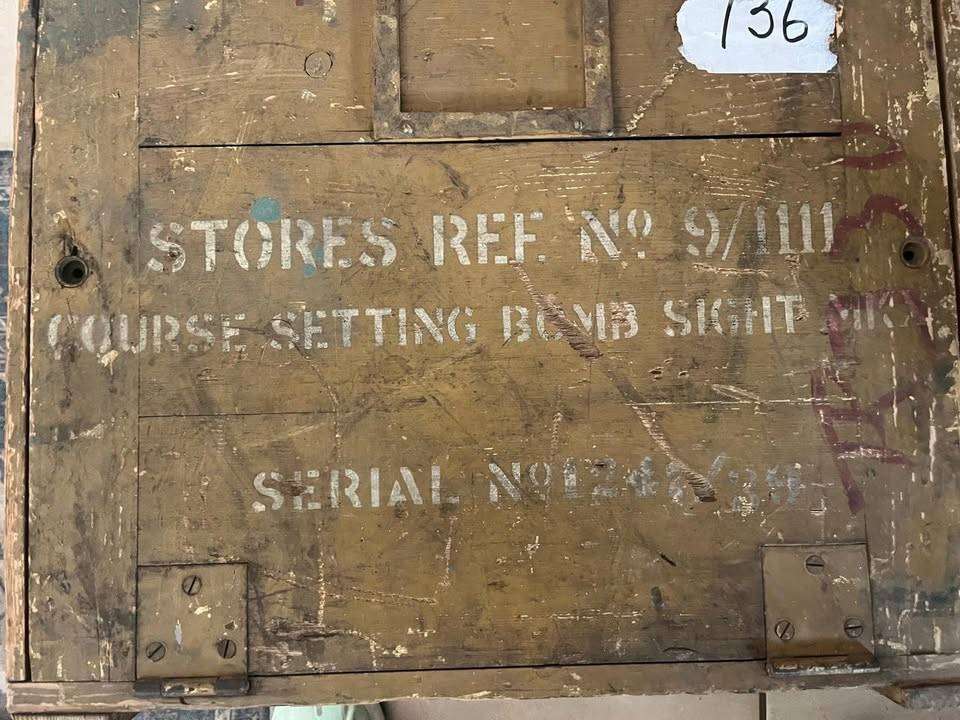
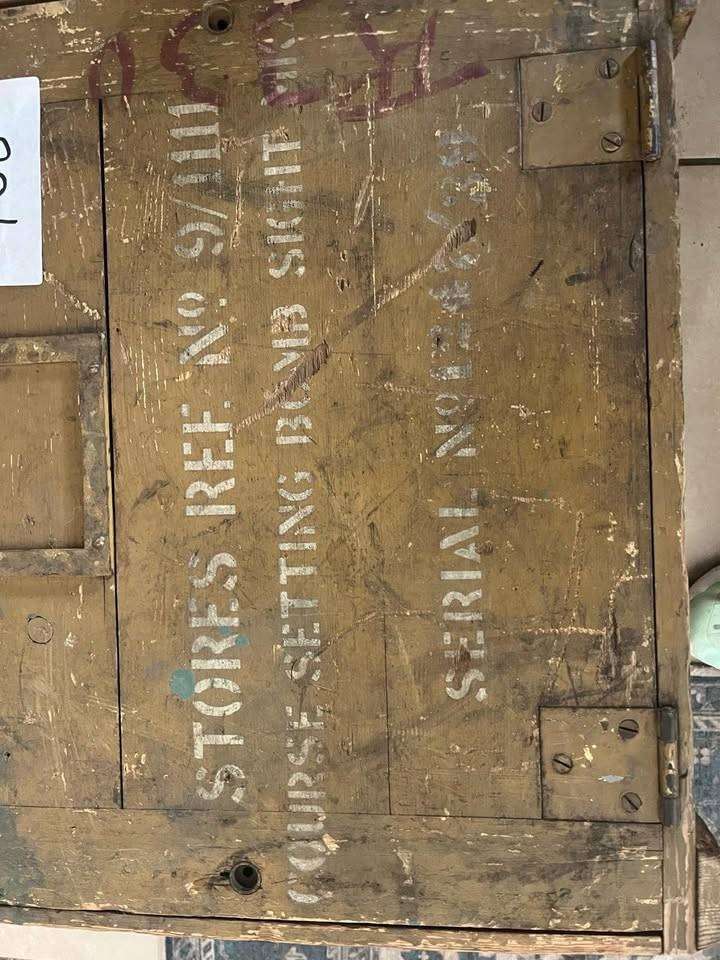
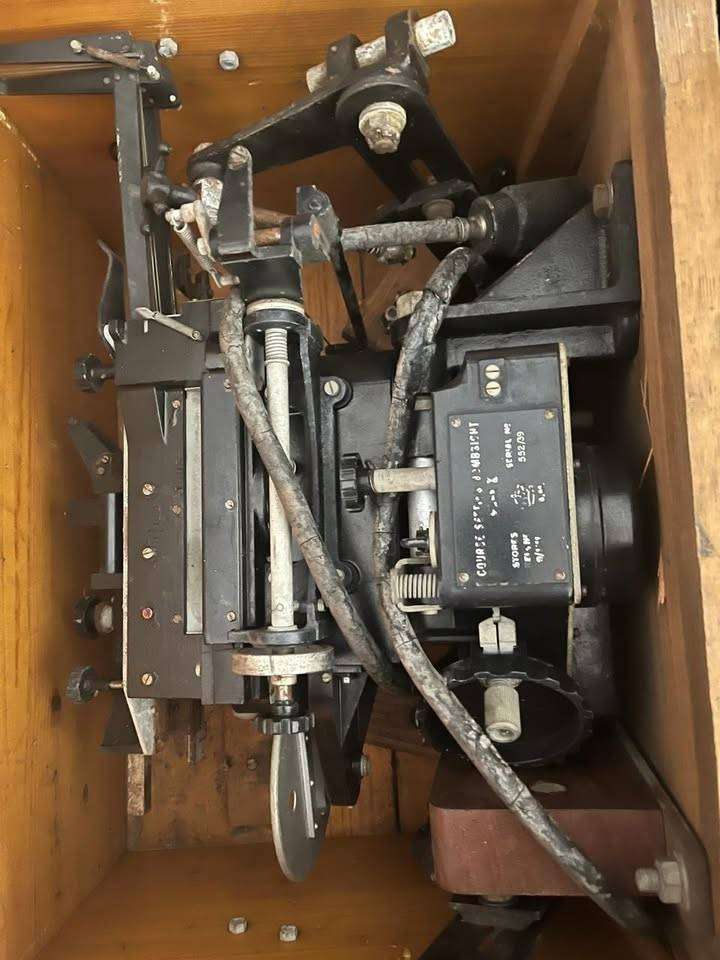
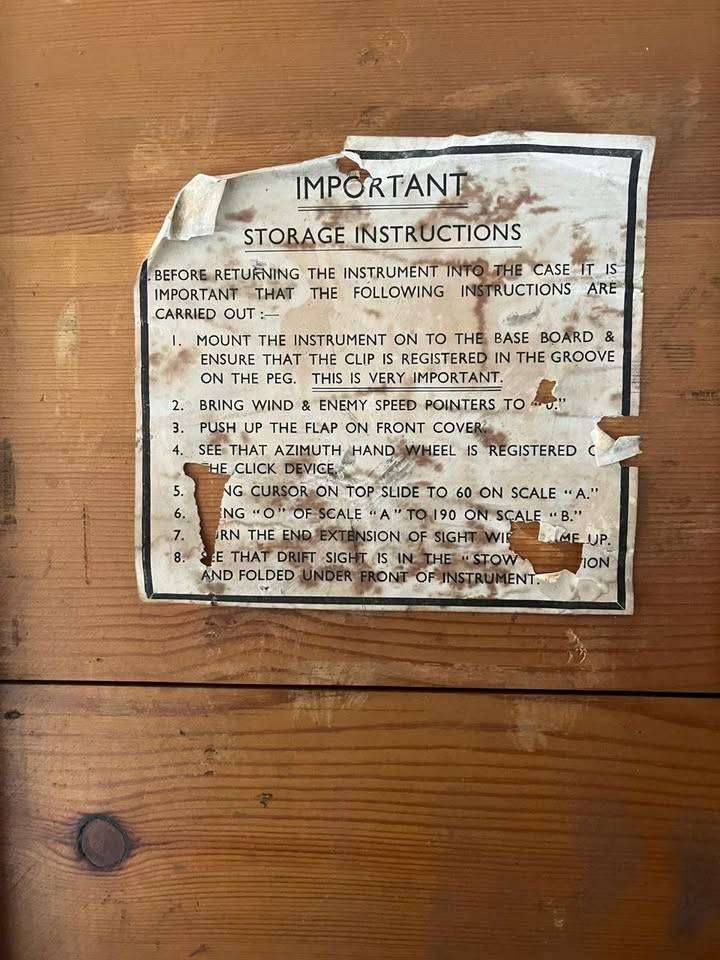
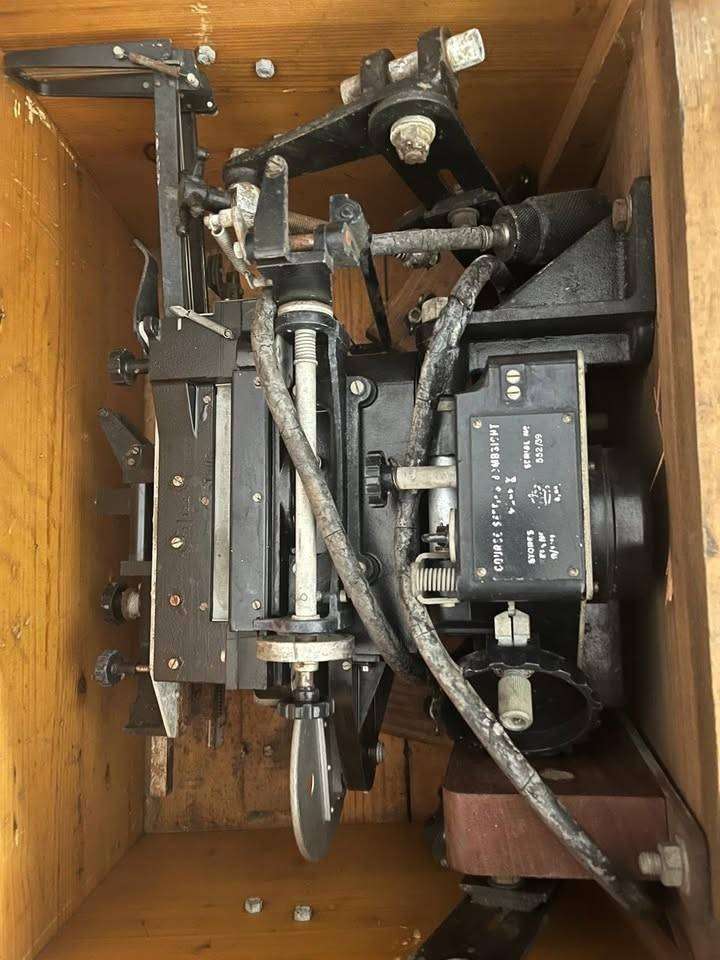
Vector bombsight: The CSBS Mk IX was a "vector" bombsight, a mechanical computer that used a slide-rule system to account for the effects of wind on a falling bomb. It allowed a bomber to approach a target from any direction, a major tactical advantage over earlier sights.
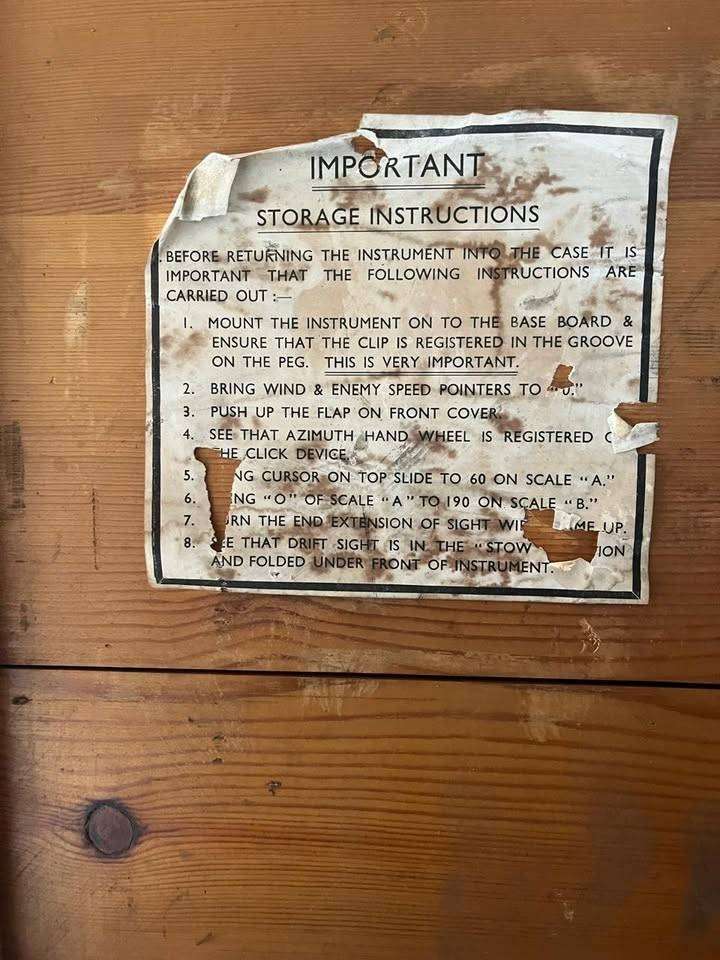
Manual operation: To operate the sight, the bomb aimer would manually input data for the bomber's airspeed, altitude, and the direction and speed of the wind. This required a long, straight, and level flight run toward the target, making the aircraft vulnerable to anti-aircraft fire.
Night bombing issues: The Mk IX was pressed into service early in the war after a new Mk X sight was found to be unsuitable for night operations due to poor visibility. The Mk IX, along with the similar Mk VII, became the standard bombsight for British aircraft until being replaced by the Mark XIV beginning in 1942.
Aircraft: The Mk IX was used on a variety of aircraft, including early-war bombers like the Vickers Wellington and Fairey Battle, as well as de Havilland Mosquitoes, though the latter's speed exceeded the sight's design limits.