| Main centres: | 1-3 business days |
| Regional areas: | 3-4 business days |
| Remote areas: | 3-5 business days |
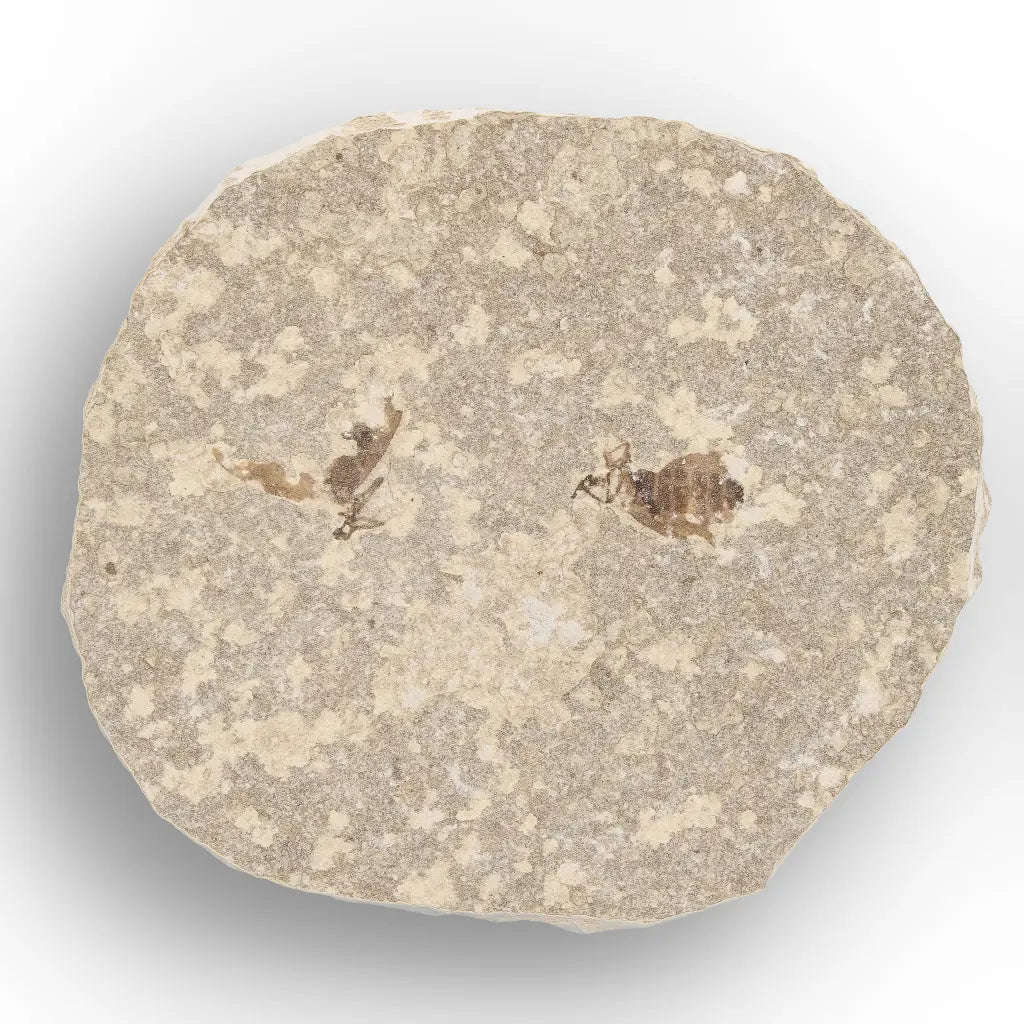
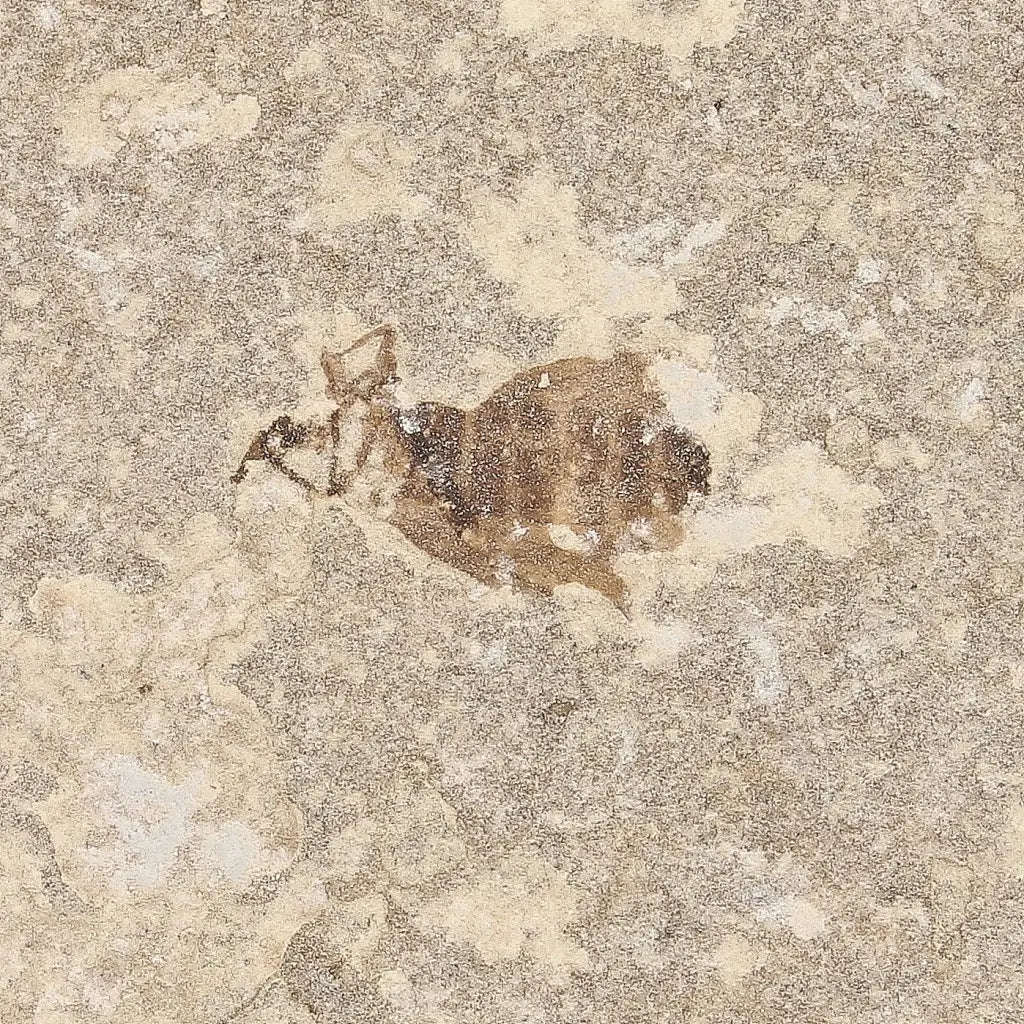
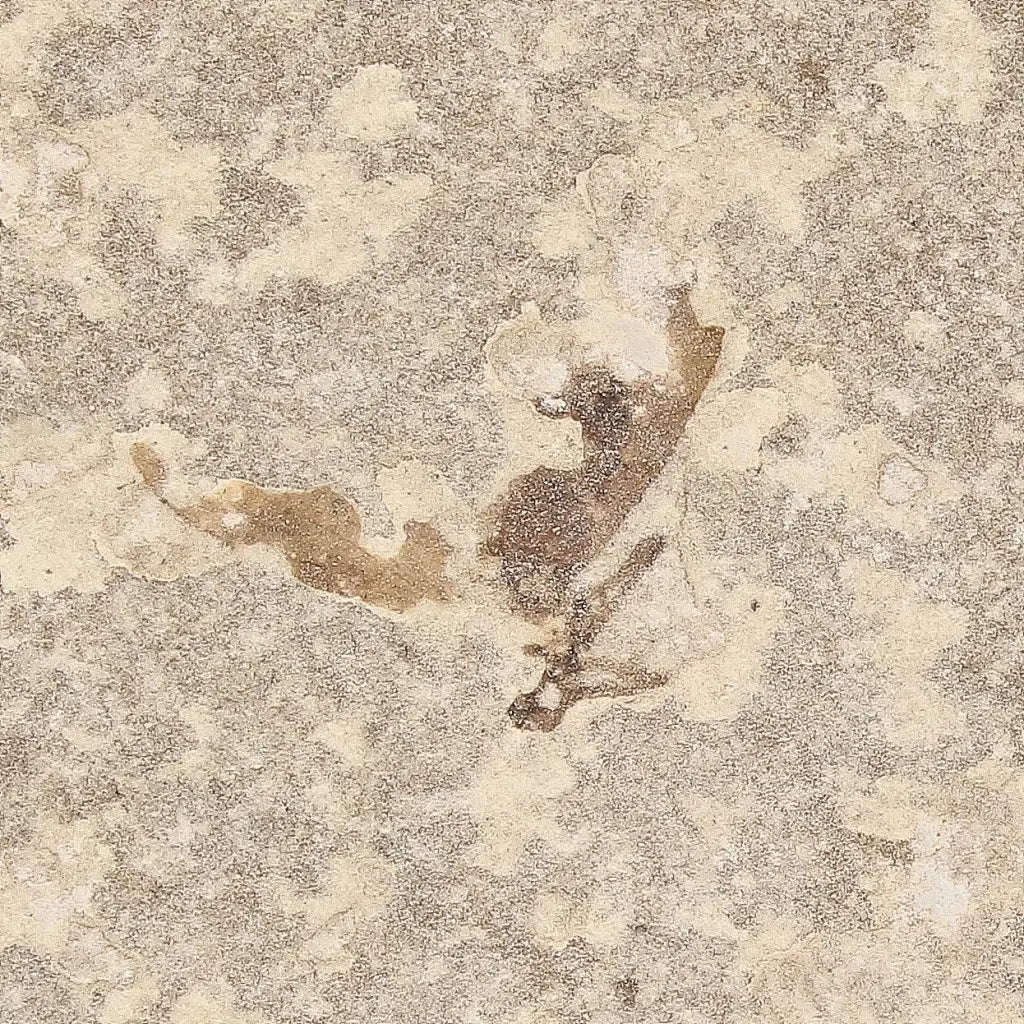
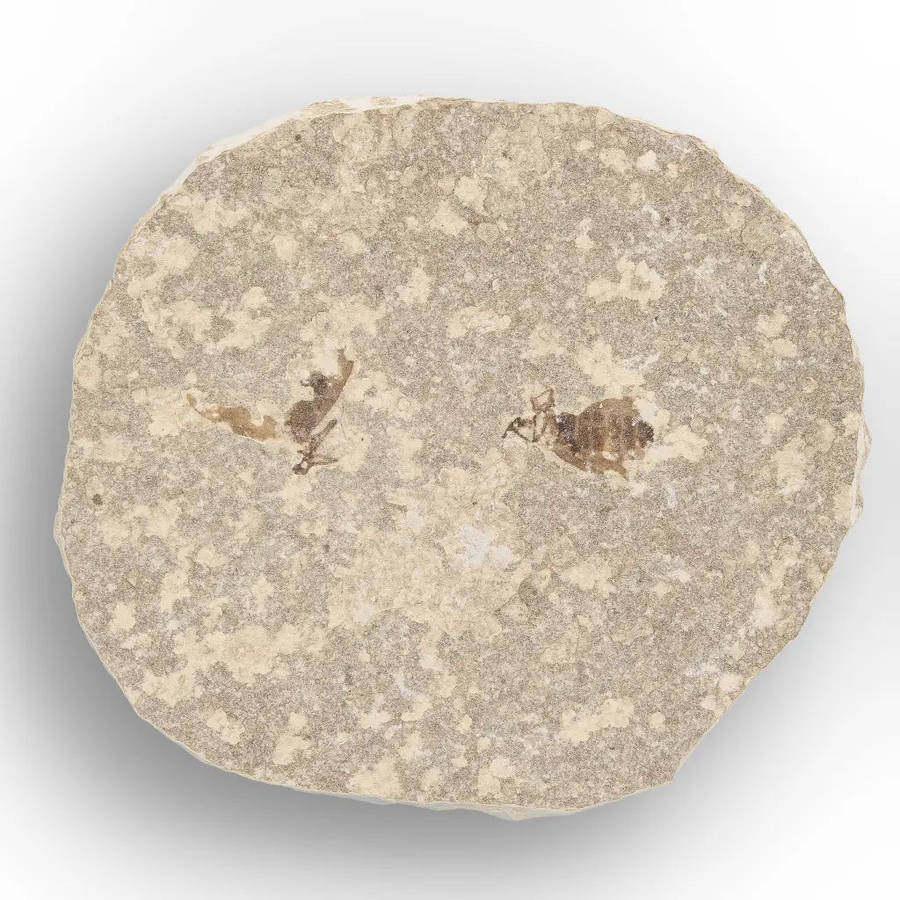
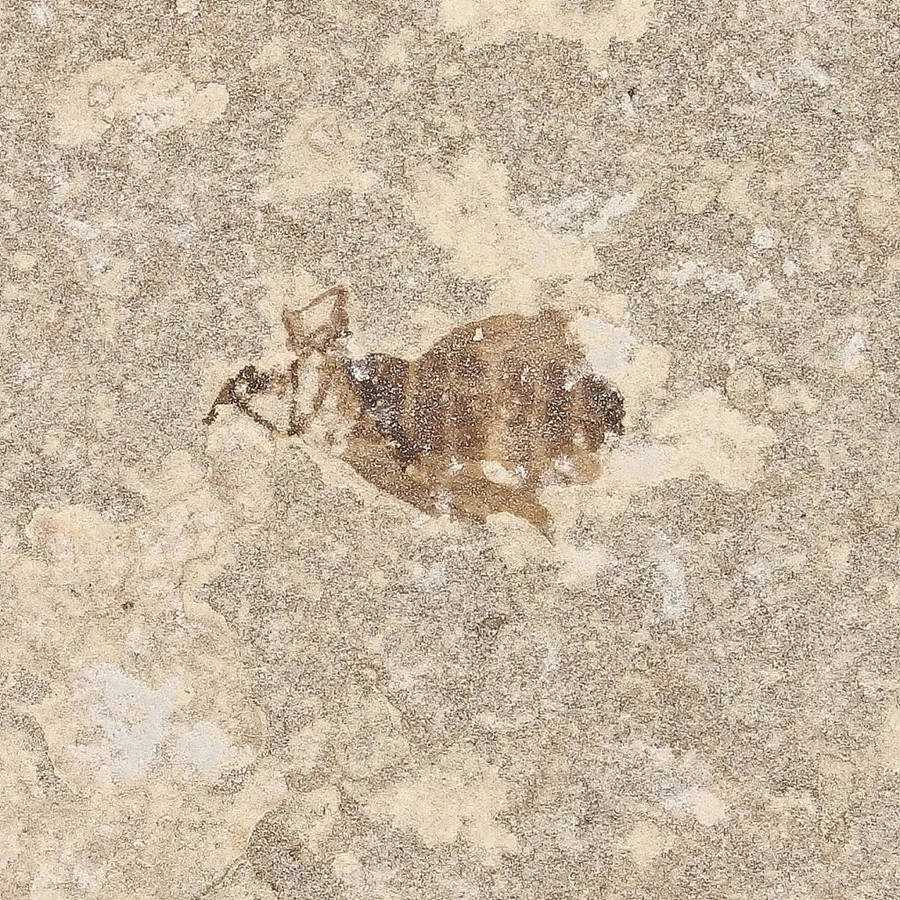
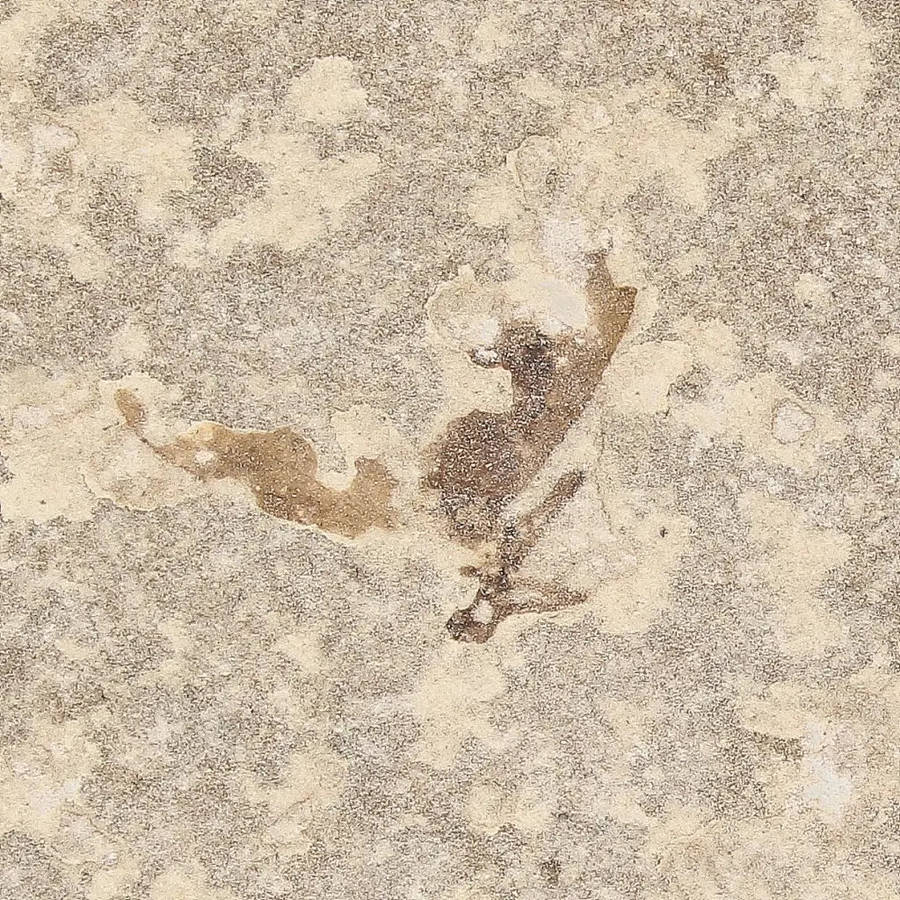
Few fossils capture a fleeting moment in Earth's history quite like fossil insects. This authentic Marsh Fly (Plecia pealei) is beautifully preserved in fine-grained limestone from Wyoming's famous Green River Formation, revealing delicate wings, slender legs, and the unmistakable body shape of an insect that lived approximately 51 million years ago during the Eocene Epoch.
Species: Plecia pealei (Marsh Fly)
Age: Eocene Epoch, approximately 51 million years old
Location: Kemmerer, Wyoming, USA
Formation: Green River Formation
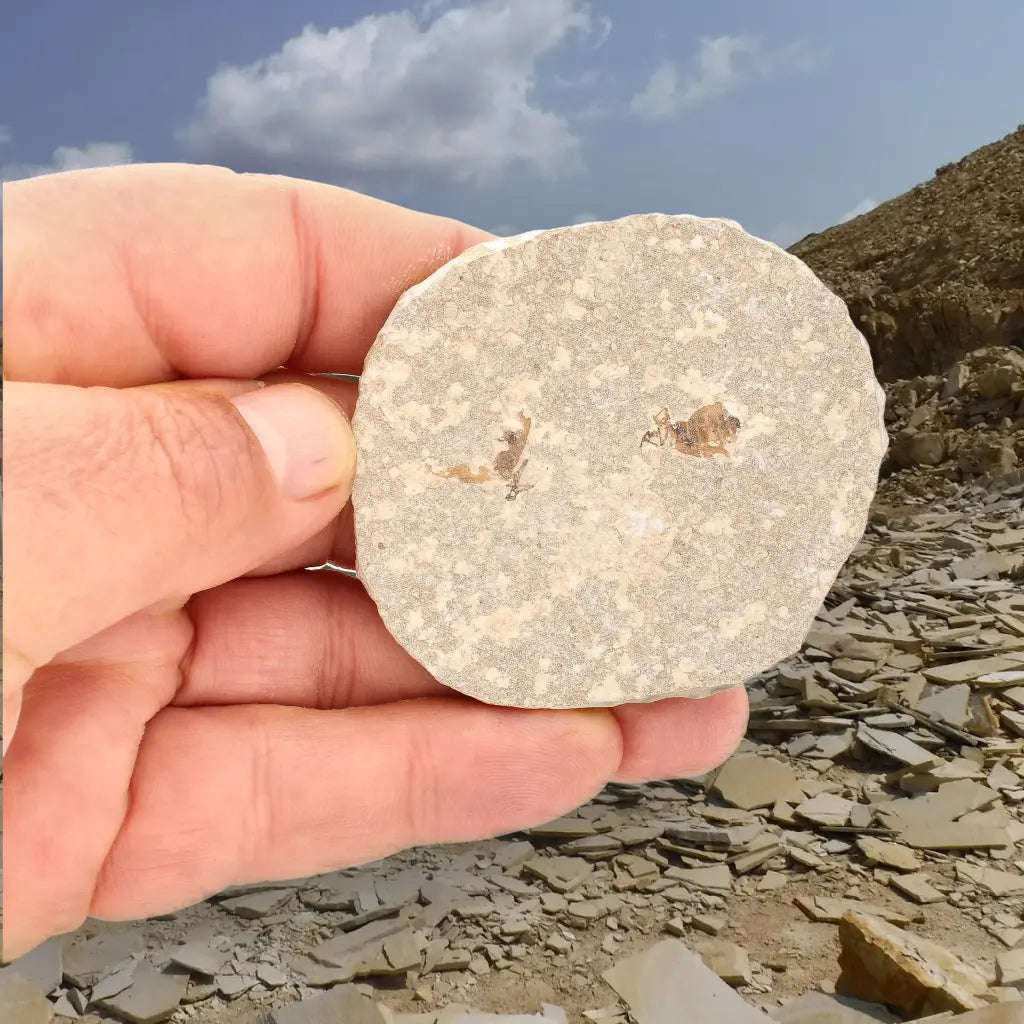
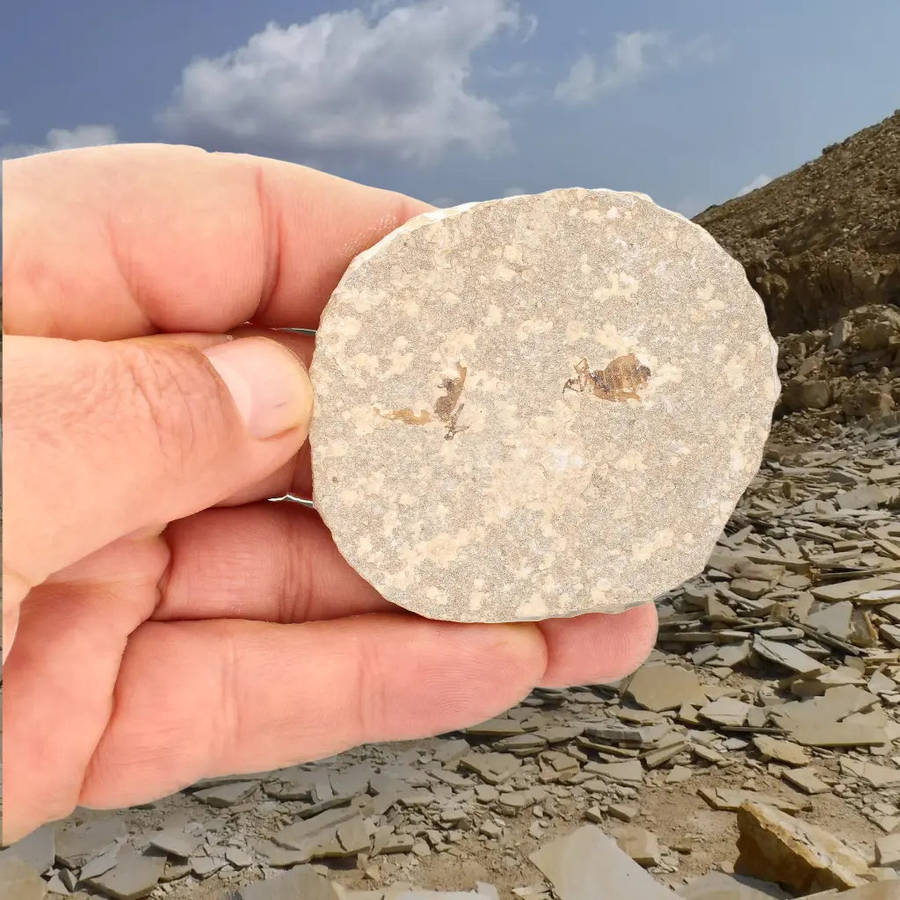
Specimen Size: 48 × 35 × 8 mm (approximately)
Fly Size: 16 × 13 mm
Weight: 21 grams
The Green River Formation is one of the world's most celebrated fossil deposits, preserving an ancient subtropical ecosystem in remarkable detail. Calm lake waters and exceptionally fine sediments allowed insects, fish, plants, birds, and reptiles to be fossilised with extraordinary clarity. This specimen offers a fascinating glimpse into an ecosystem that flourished long before humans appeared.
Marsh flies were common inhabitants of the warm, humid forests surrounding these ancient lakes. Their abundance made them an important part of the food web, serving as prey for fish, birds, reptiles, and other insects. Today, their fossils help palaeontologists understand the climate, biodiversity, and ecological relationships of North America during the Eocene.
Compact, well-preserved, and rich in scientific interest, this genuine Marsh Fly fossil is an excellent addition to any fossil collection. It is ideal for collectors, educators, and anyone fascinated by prehistoric life, offering an authentic connection to a world that existed more than fifty million years ago.