
| Main centres: | 1-3 business days |
| Regional areas: | 3-4 business days |
| Remote areas: | 3-5 business days |
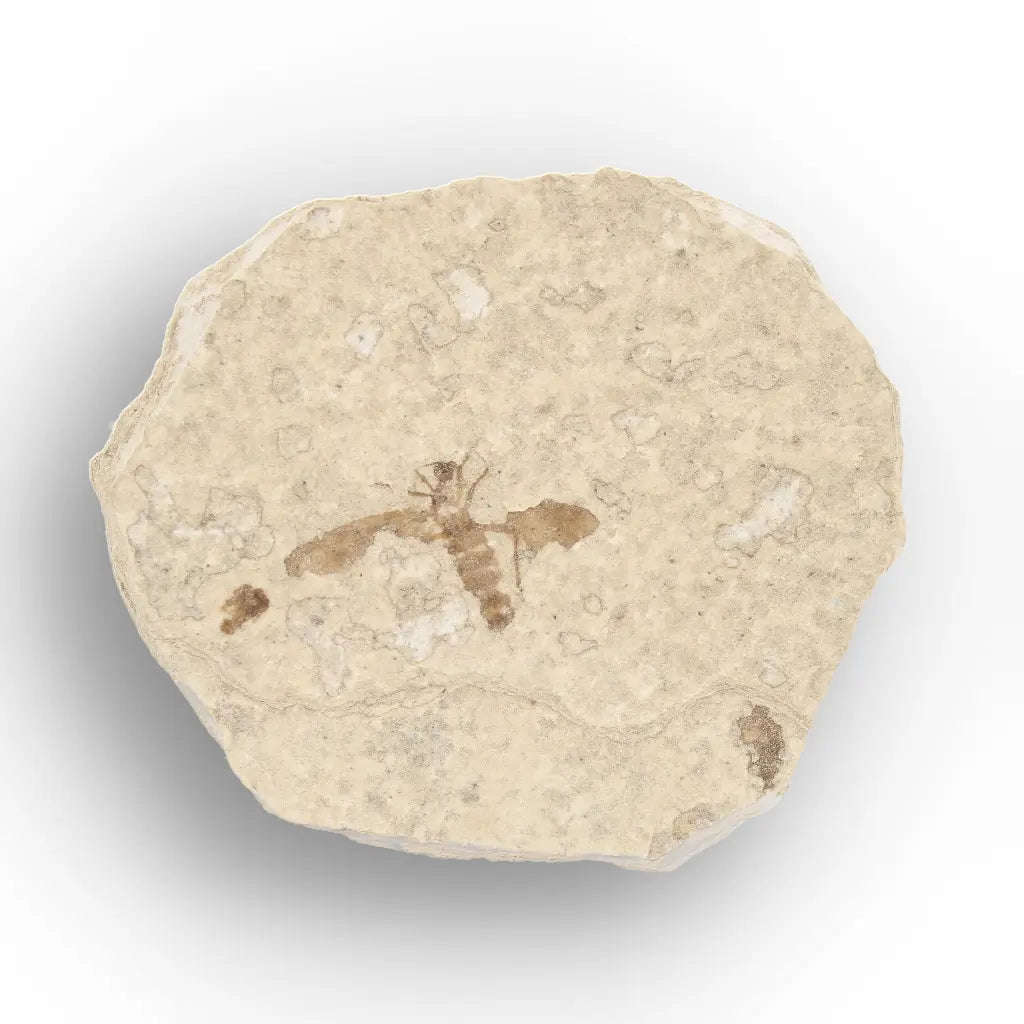
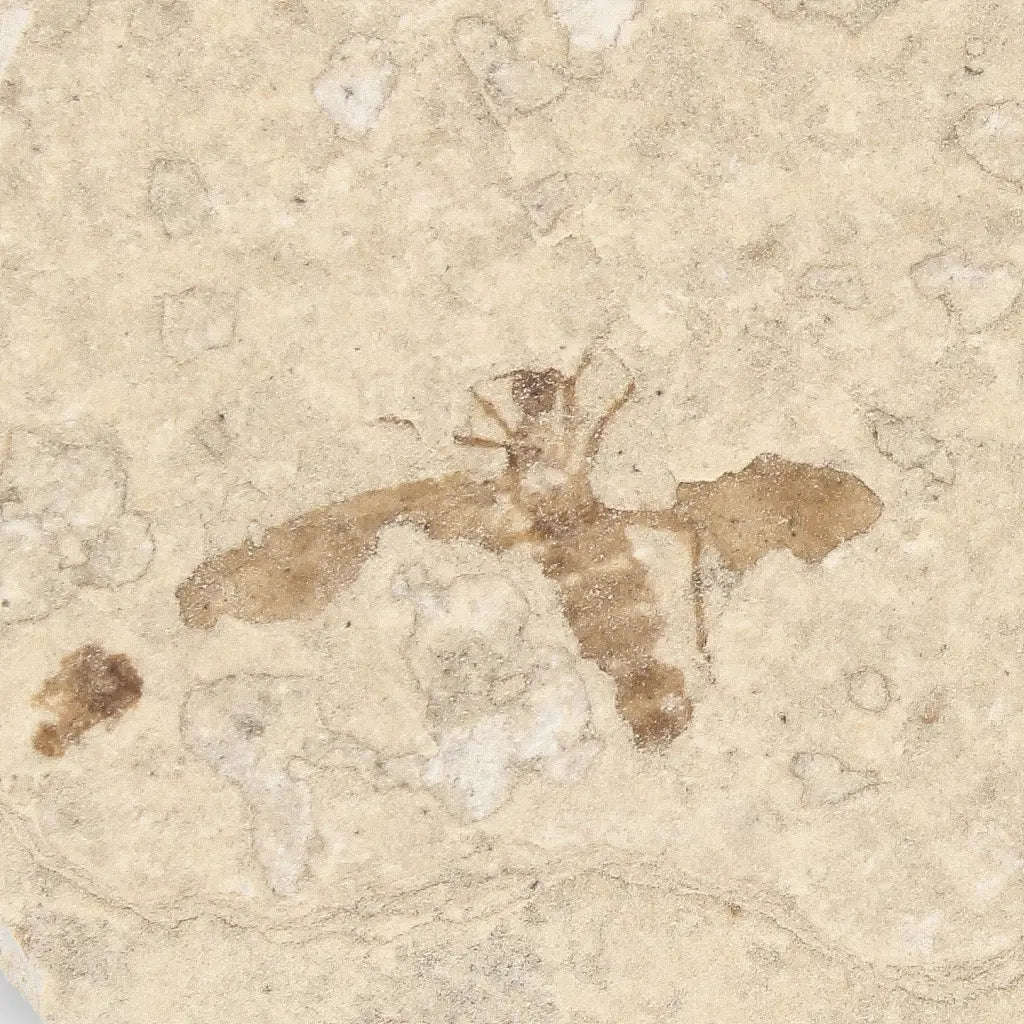
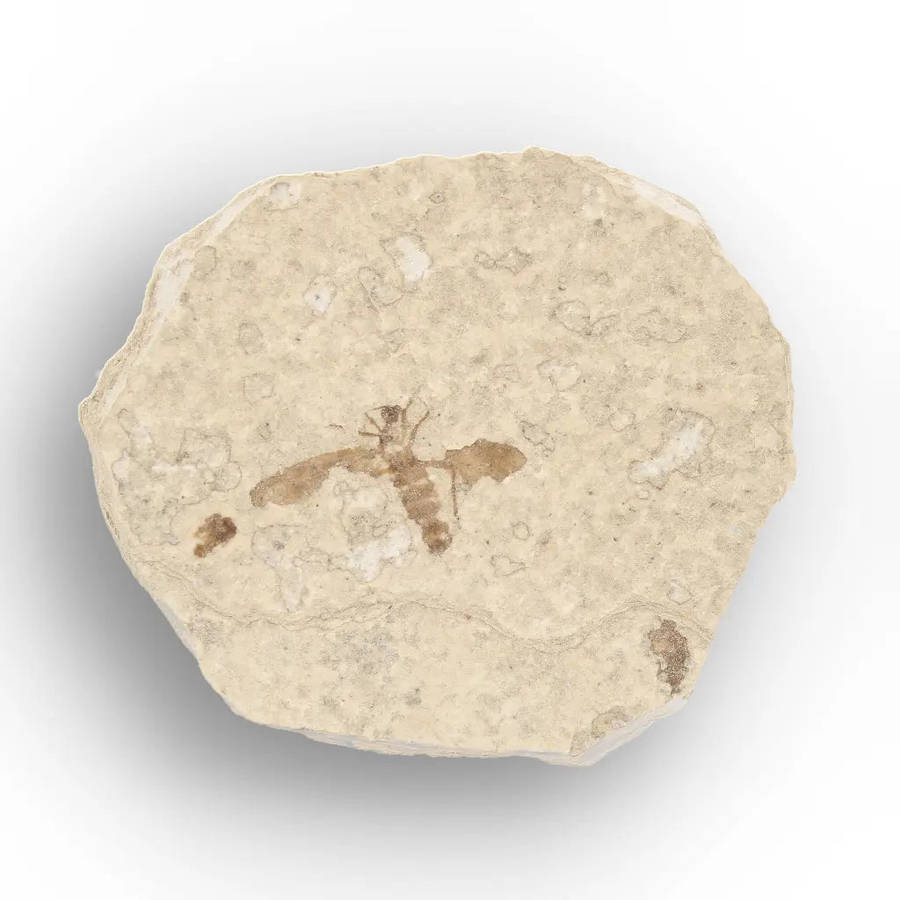
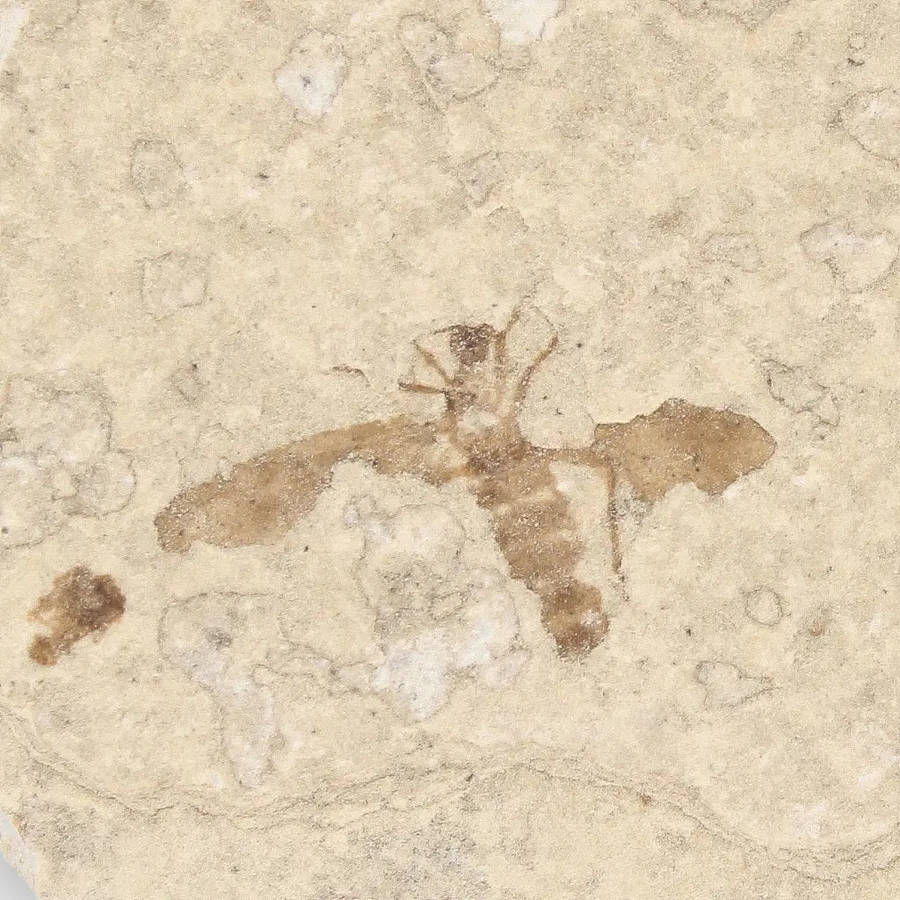
Imagine a warm Eocene morning over 51 million years ago, where dragonflies, marsh flies, turtles, crocodiles, and early mammals thrived around the calm freshwater lakes of what is now Kemmerer, Wyoming. This authentic Marsh Fly (Plecia pealei) is a remarkable survivor from that long-lost world, preserved as a snapshot of prehistoric life.
Species: Plecia pealei (Marsh Fly)
Age: Eocene (~51 million years old)
Formation: Green River Formation
Location: Kemmerer, Wyoming, USA
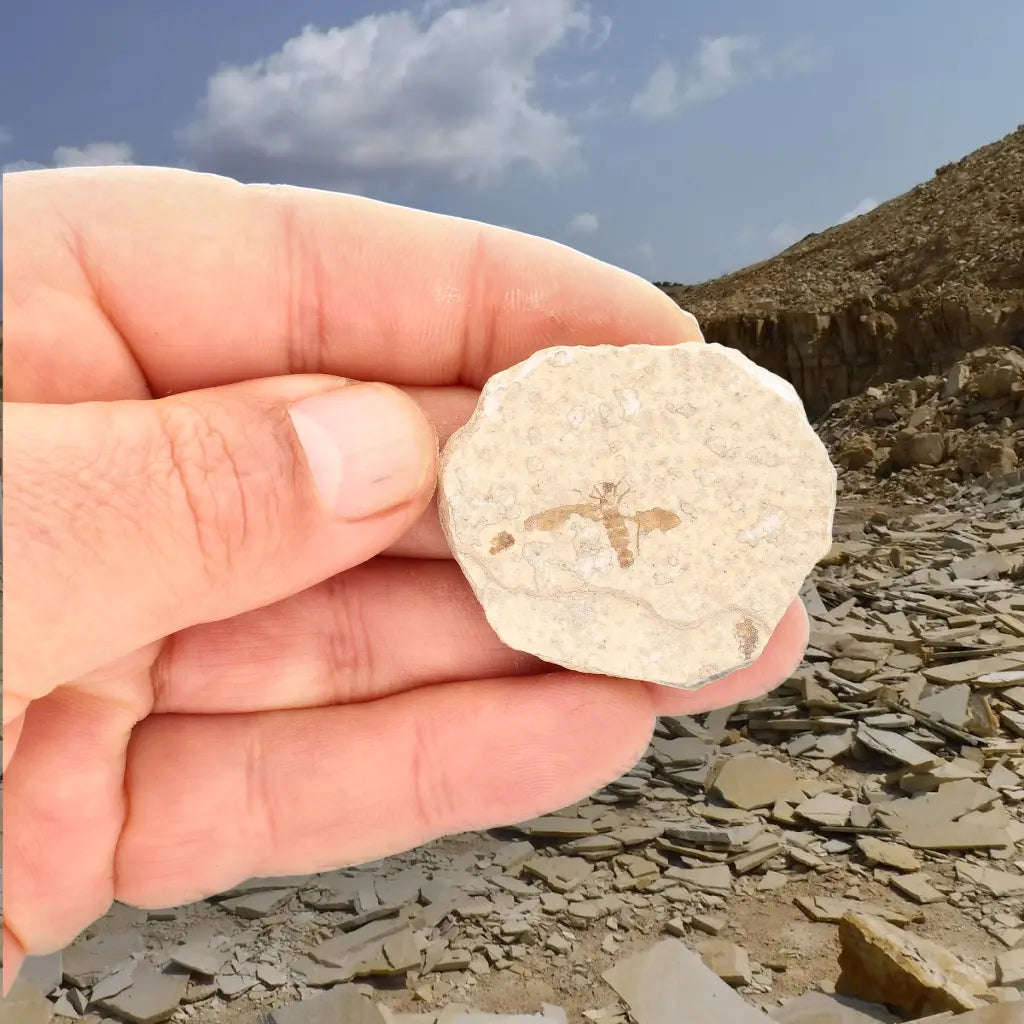
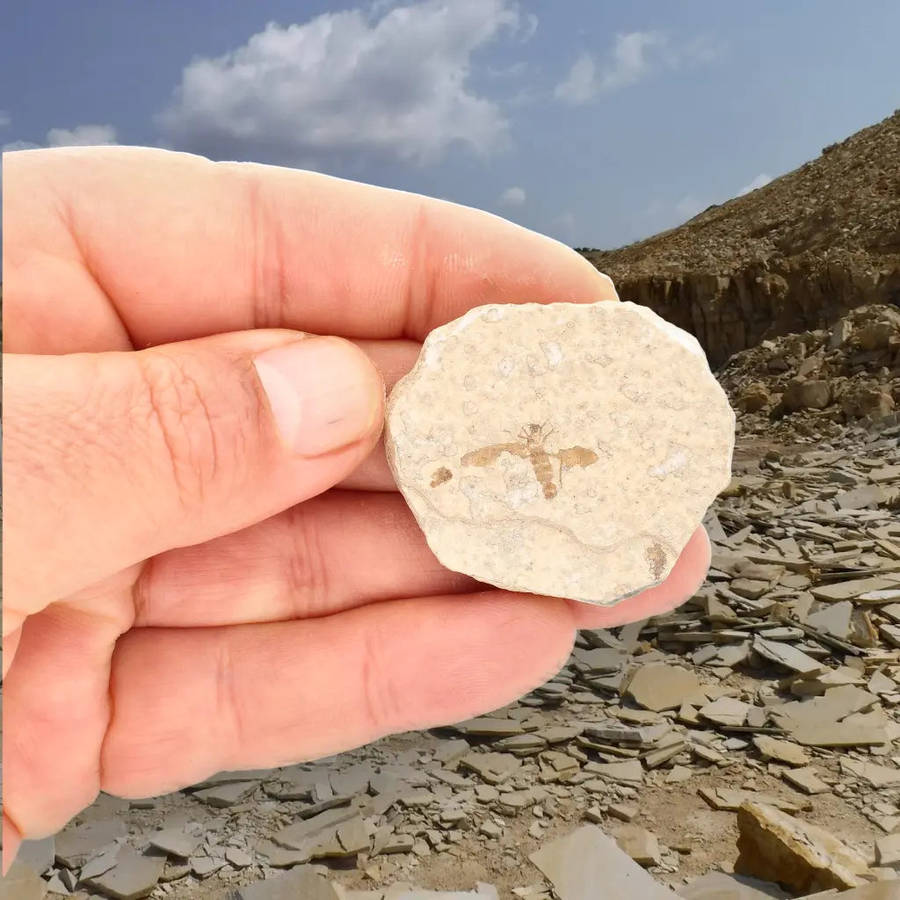
Specimen Size: Approximately 44 × 38 × 9 mm
Fly Size: Approximately 10 × 17 mm
Weight: 23 g
Authenticity: 100% Authentic natural fossil
Display: Excellent collector, educational, or gift specimen
This genuine fossil comes from the world-renowned Green River Formation, one of the most important fossil sites on Earth. During the Eocene Epoch, peaceful freshwater lakes covered much of this region. Fine layers of sediment settled quietly to the lake floor, gently entombing insects, fish, leaves, and other organisms before they could decompose. Over millions of years, these sediments transformed into fine-grained limestone, preserving extraordinary details that continue to amaze scientists and collectors alike.
Today, the Green River Formation is celebrated for its exceptional fossil preservation, offering one of the clearest windows into life shortly after the age of the dinosaurs. Although fossil fish are its most famous discoveries, beautifully preserved insect fossils such as Plecia pealei are considerably less common and provide valuable evidence of the thriving insect populations that once filled these ancient forests and wetlands.
The spread of this Marsh Fly's delicate wings captures a fleeting moment from an ecosystem that vanished millions of years ago. Its graceful preservation makes it an eye-catching addition to any fossil collection and a fascinating conversation piece for anyone with an appreciation for natural history, evolution, and the remarkable story of life on Earth.