







| Main centres: | 1-3 business days |
| Regional areas: | 3-4 business days |
| Remote areas: | 3-5 business days |
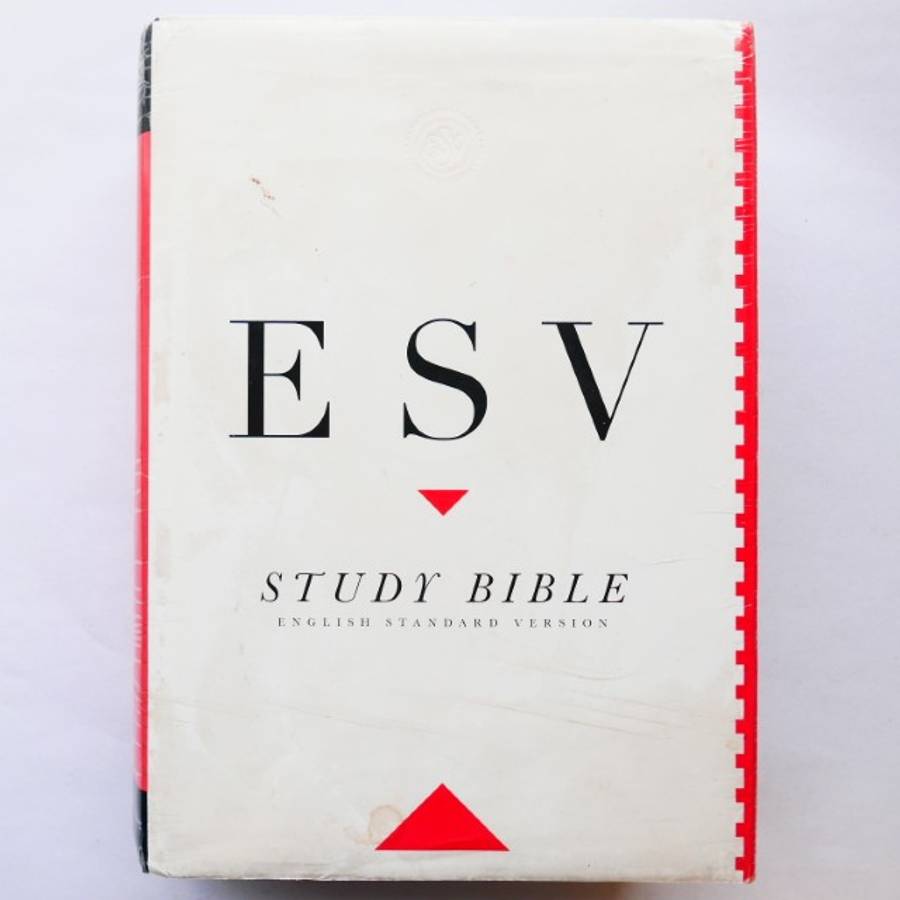
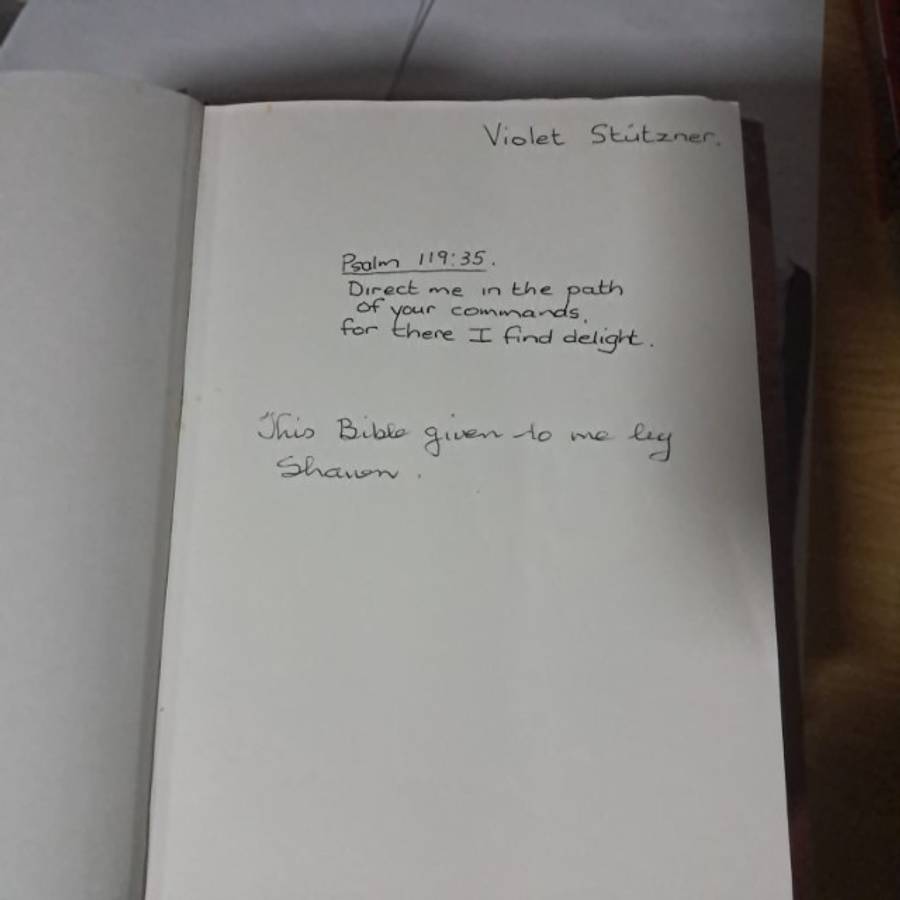
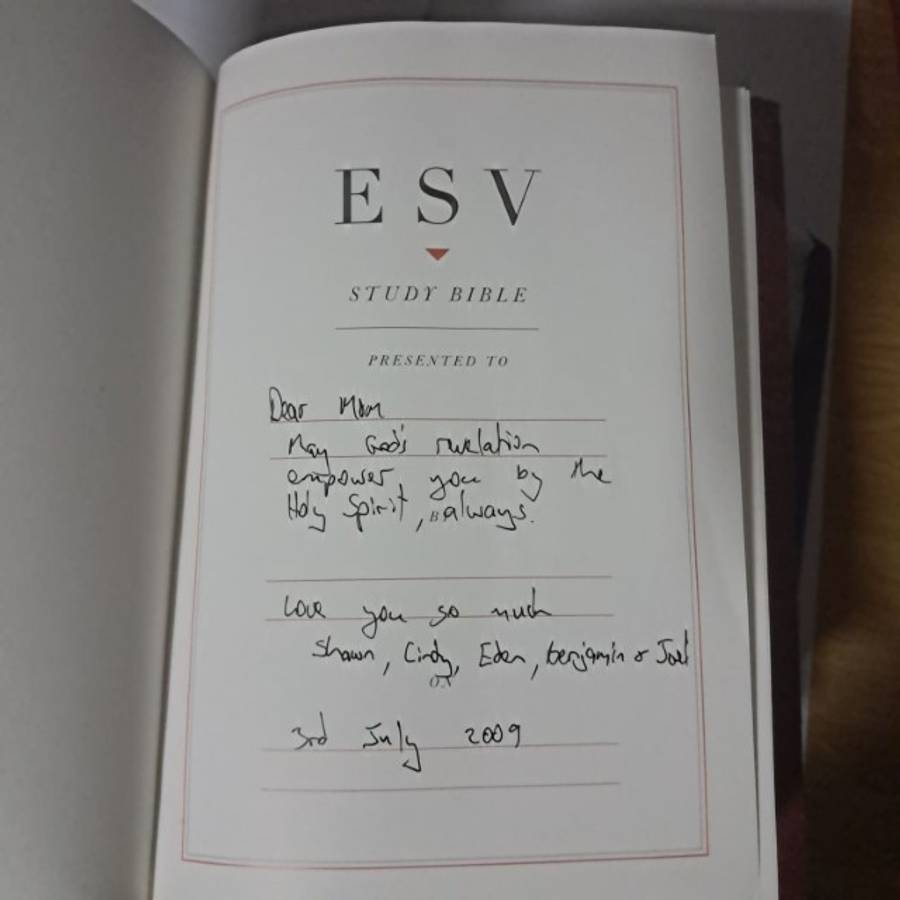
Secondhand Hardcover with dust jacket in Good Condition
The English Standard Version (ESV) stands in the classic mainstream of English Bible translations over the past half-millennium. The fountainhead of that stream was William Tyndale's New Testament of 1526; marking its course were the King James Version of 1611 (KJV), the English Revised Version of 1885 (RV), the American Standard Version of 1901 (ASV), and the Revised Standard Version of 1952 and 1971 (RSV). In that stream, faithfulness to the text and vigorous pursuit of precision were combined with simplicity, beauty, and dignity of expression. The translation committee's goal was to carry forward this legacy for this generation and generations to come.
To this end, each word and phrase in the ESV was carefully weighed against the original Hebrew, Aramaic, and Greek, to ensure the fullest accuracy and clarity and to avoid under-translating or overlooking any nuance of the original text. The words and phrases themselves grow out of the TyndaleKing James legacy, and most recently out of the RSV, with the 1971 RSV text providing the starting point for the translation work. Archaic language was brought into line with current usage and significant corrections were made in the translation of key texts. But throughout, the goal was to retain the depth of meaning and enduring quality of language that have made their indelible mark on the English-speaking world and have defined the life and doctrine of its church over the last five centuries.
The ESV is an "essentially literal" translation that seeks, as far as possible, to reproduce the precise wording of the original text and the personal style of each Bible writer. As such, its emphasis is on "word-for-word" correspondence, at the same time taking full account of differences in grammar, syntax, and idiom between current literary English and the original languages. Thus it seeks to be transparent to the original text, letting the reader see as directly as possible the structure and exact force of the original.
Every translation is at many points a trade-off between literal precision and readability, between "formal equivalence" in expression and "functional equivalence" in communication, and the ESV is no exception. Within this framework the translation committee sought to be "as literal as possible" while maintaining clarity of expression and literary excellence.