| Main centres: | 1-3 business days |
| Regional areas: | 3-4 business days |
| Remote areas: | 3-5 business days |
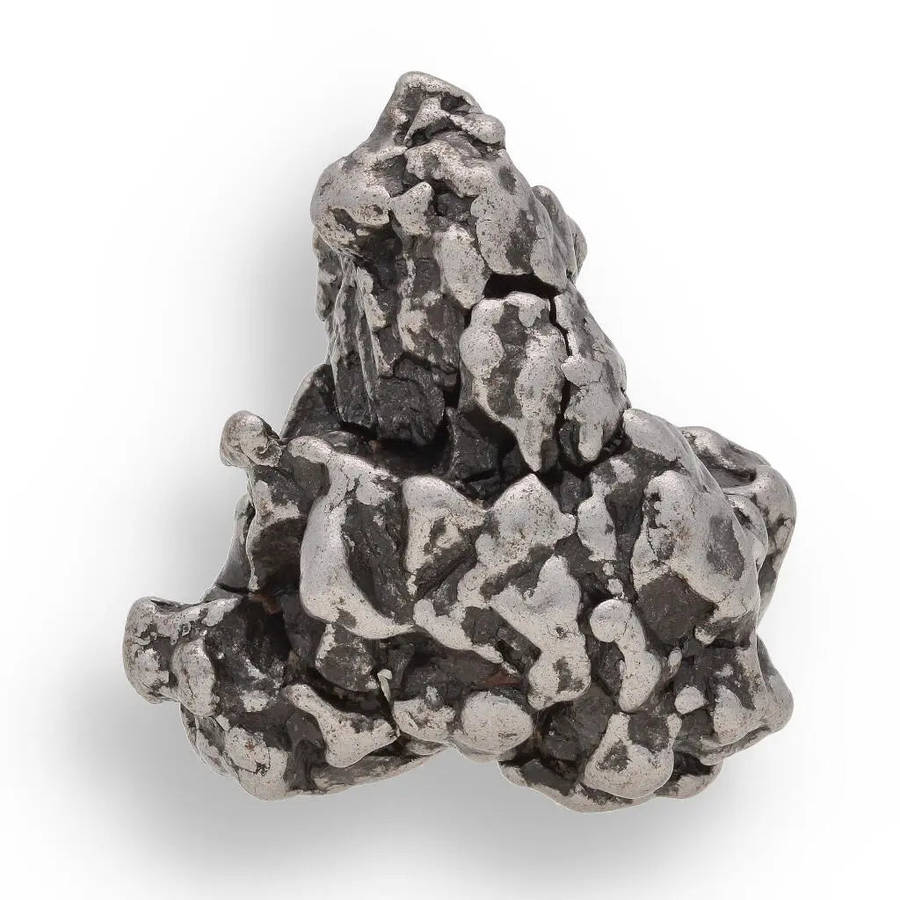
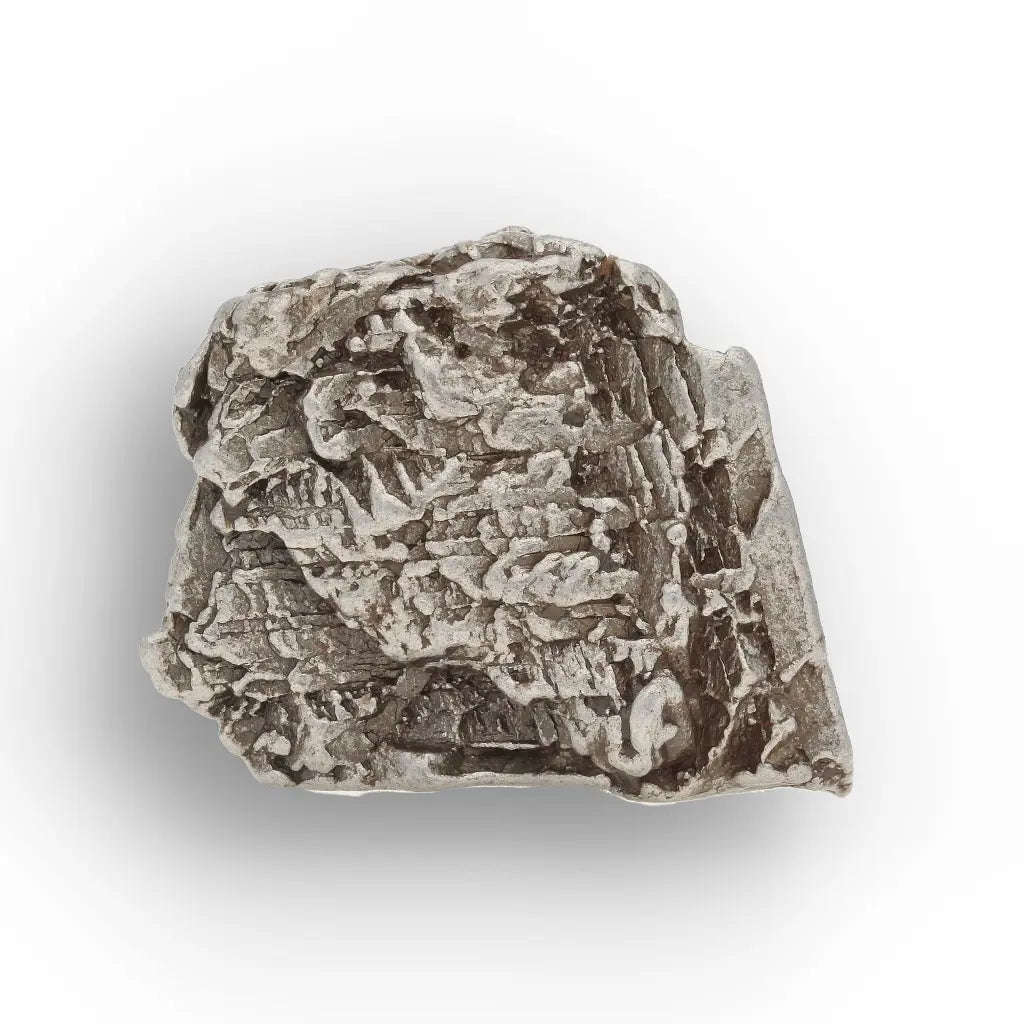
The Aletai coarse octahedrite is in a category by itself. Classified as an anomalous IIIE iron meteorite, it is described by scientists as a coarse octahedrite unlike any other known sample a designation that reflects just how unusual its mineralogy, chemistry, and crystalline structure truly are. The Widmanstätten pattern visible in cut and etched specimens is distinct even from other IIIE irons, a fingerprint of this meteorite's unique cosmic origin.
First identified in 1898 under the name Armanty, the Aletai meteorite was not fully understood for more than a century. Fragments recovered across Northern Xinjiang were gradually connected by their shared chemistry high cobalt, gold, and iridium content, and a complex mineralogy featuring kamacite, taenite, plessite, schreibersite, troilite, cohenite, haxonite, and daubréelite until scientists confirmed that all known masses came from the same parent body. In 2016, the meteorite was formally named Aletai.
The fall left behind a strewn field of at least 430 kilometres the largest ever recorded on Earth and a total recovered mass exceeding 74 tonnes. This genuine Aletai coarse octahedrite fragment carries the full scientific weight of that extraordinary legacy.
Meteorite Type: Anomalous IIIE Iron Meteorite (Coarse Octahedrite)
Composition: Kamacite, Taenite, Plessite; elevated Cobalt, Gold & Iridium
Accessory Minerals: Schreibersite, Troilite, Cohenite, Haxonite, Daubréelite
Strewn Field: 430+ km longest ever recorded on Earth
Total Recovered Mass: Exceeds 74 tonnes
Fall Location: Northern Xinjiang (Altay Prefecture), China
First Identified: 1898 (as Armanty); formally named Aletai in 2016
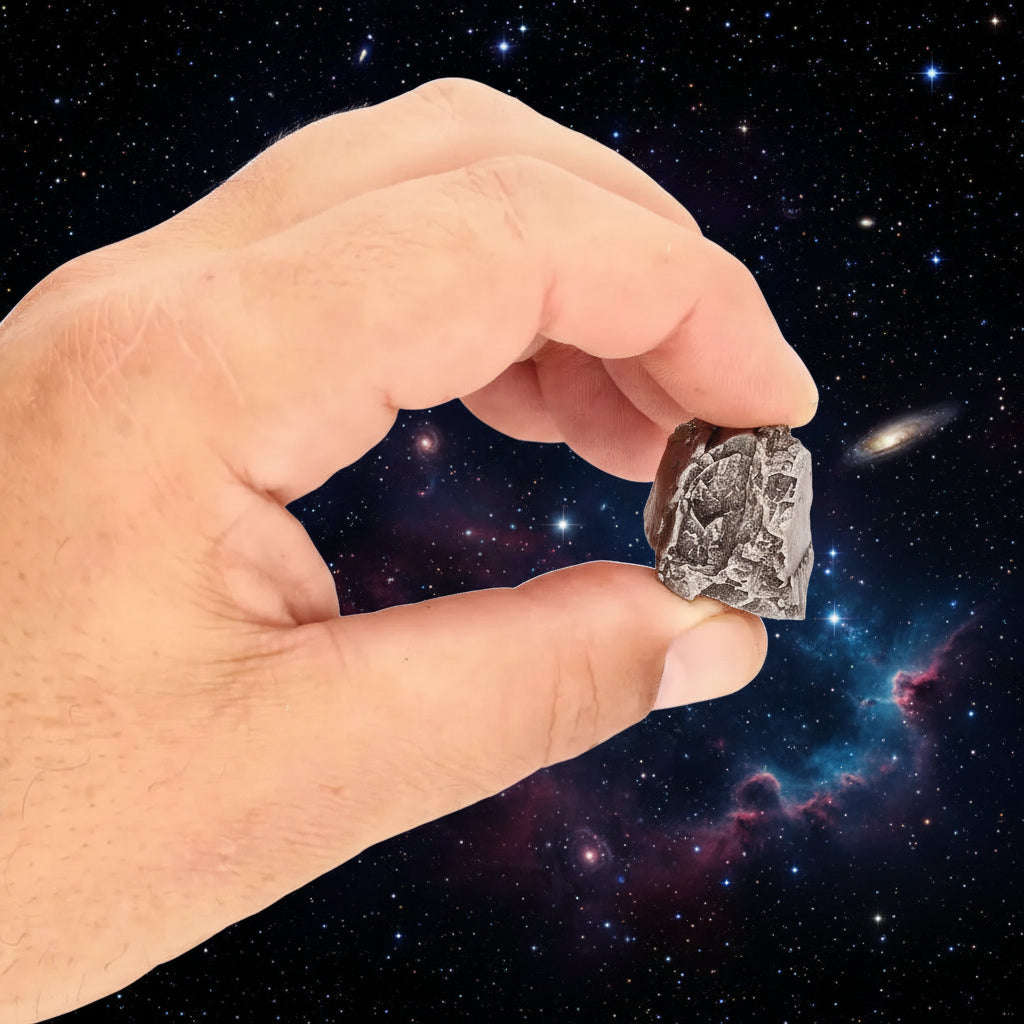
Specimen Size: 25mm x 21mm x 15mm
Weight: 33 gram
Own a genuine Aletai coarse octahedrite a meteorite unlike any other known sample, now available for your collection.