
| Main centres: | 1-3 business days |
| Regional areas: | 3-4 business days |
| Remote areas: | 3-5 business days |
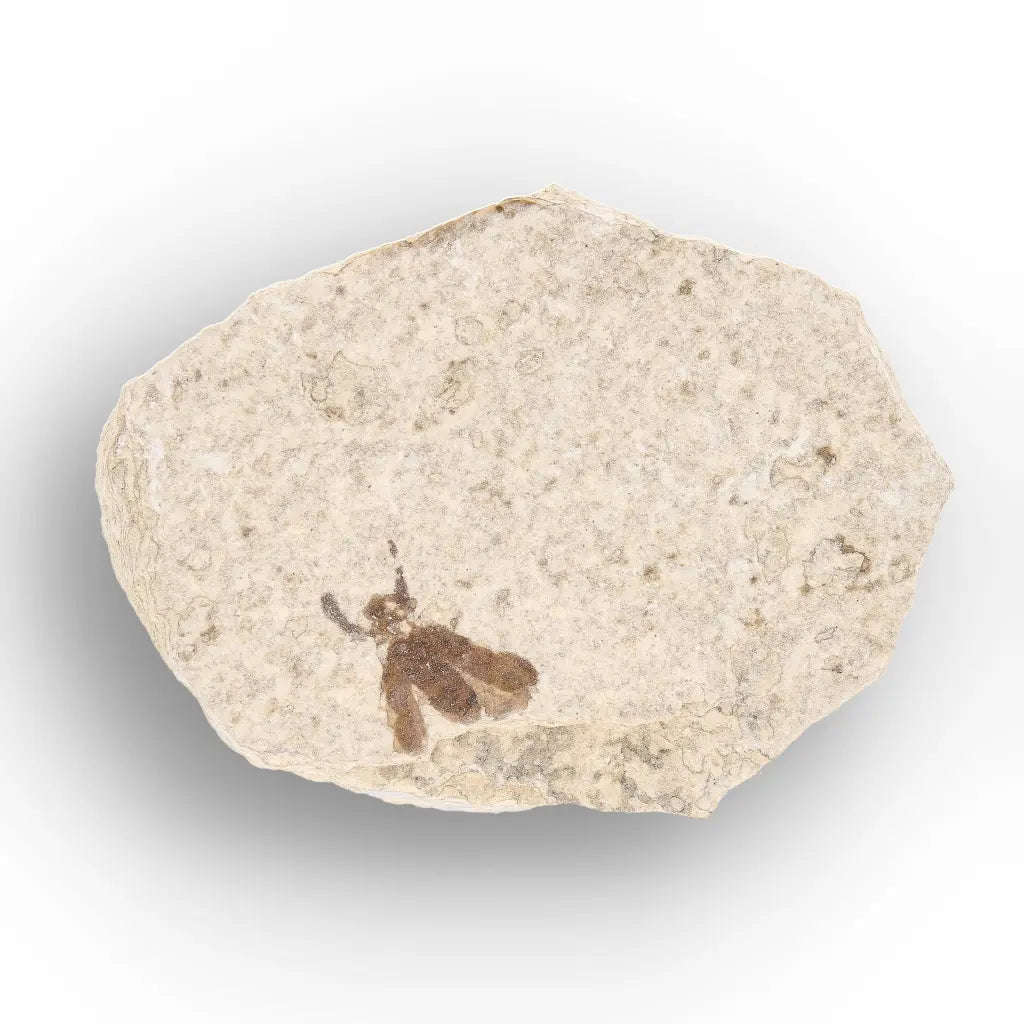
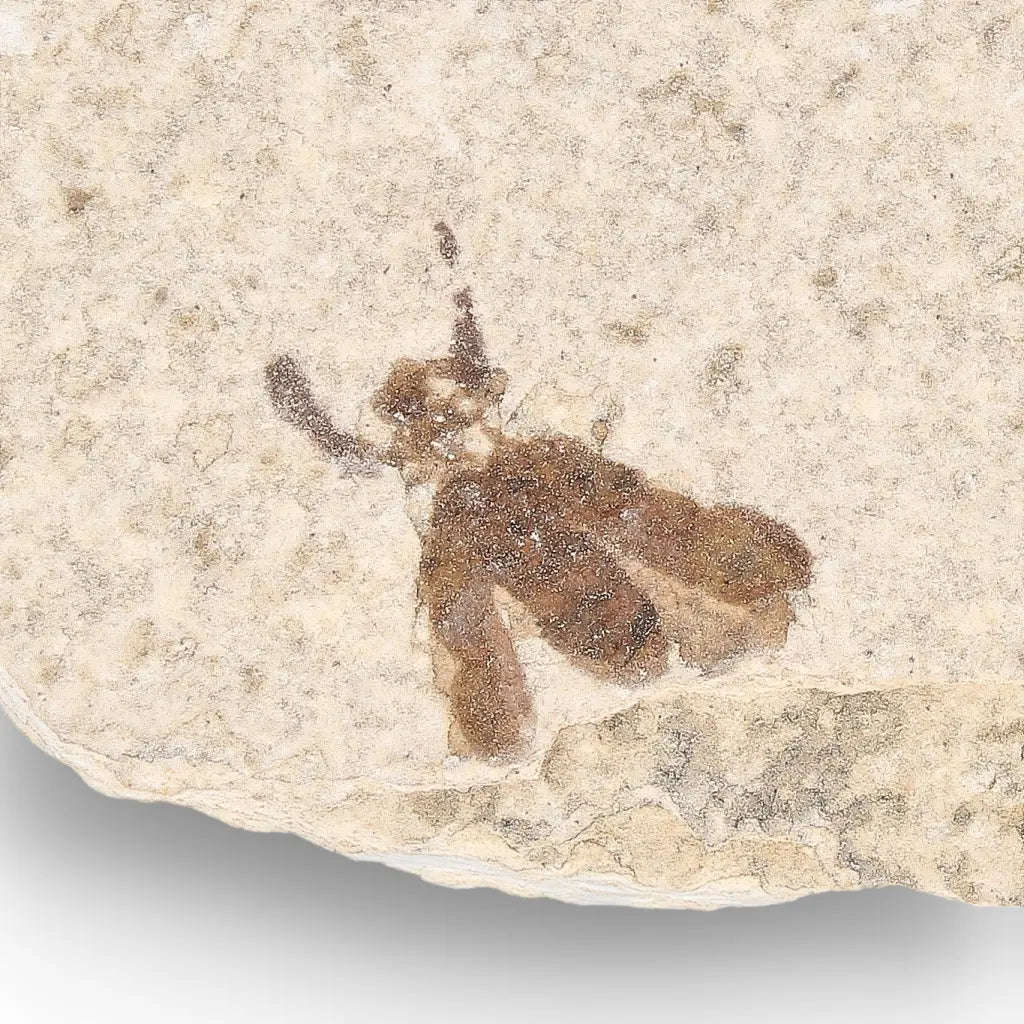
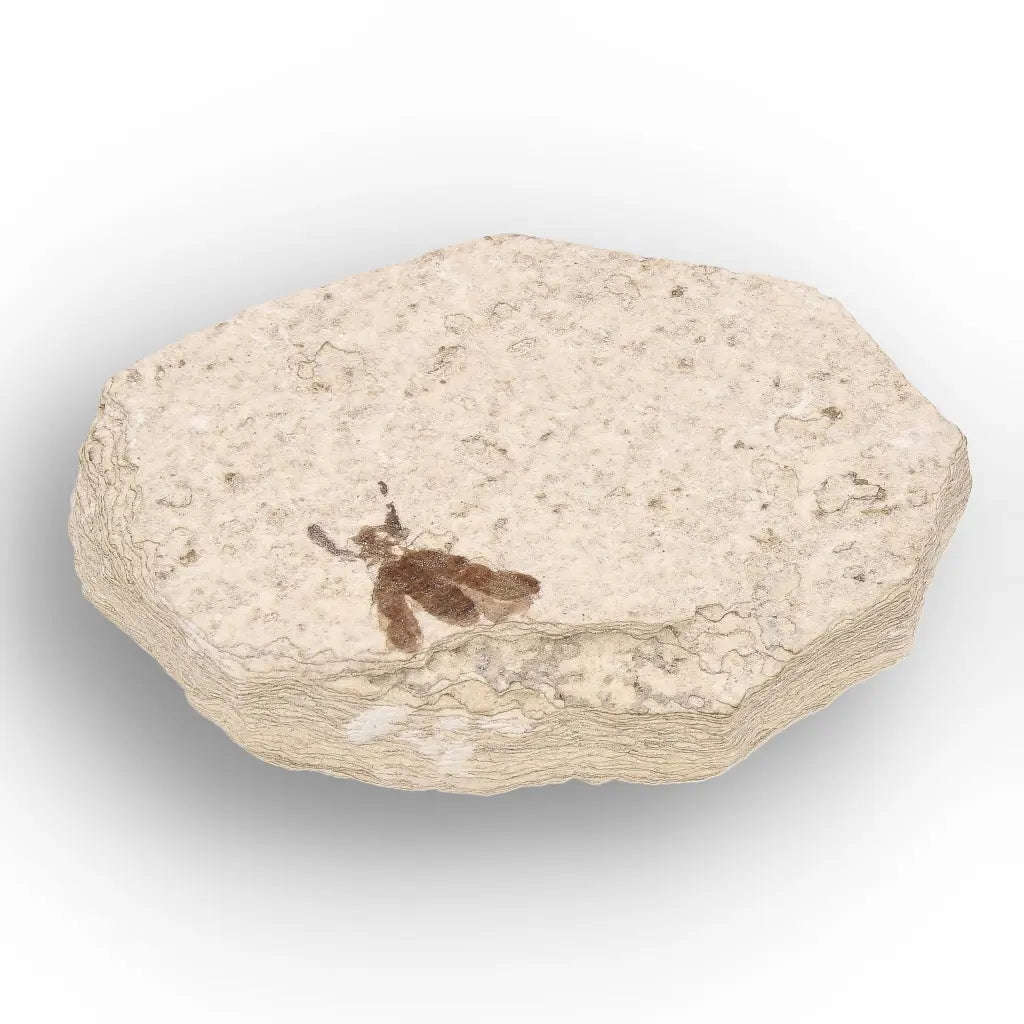
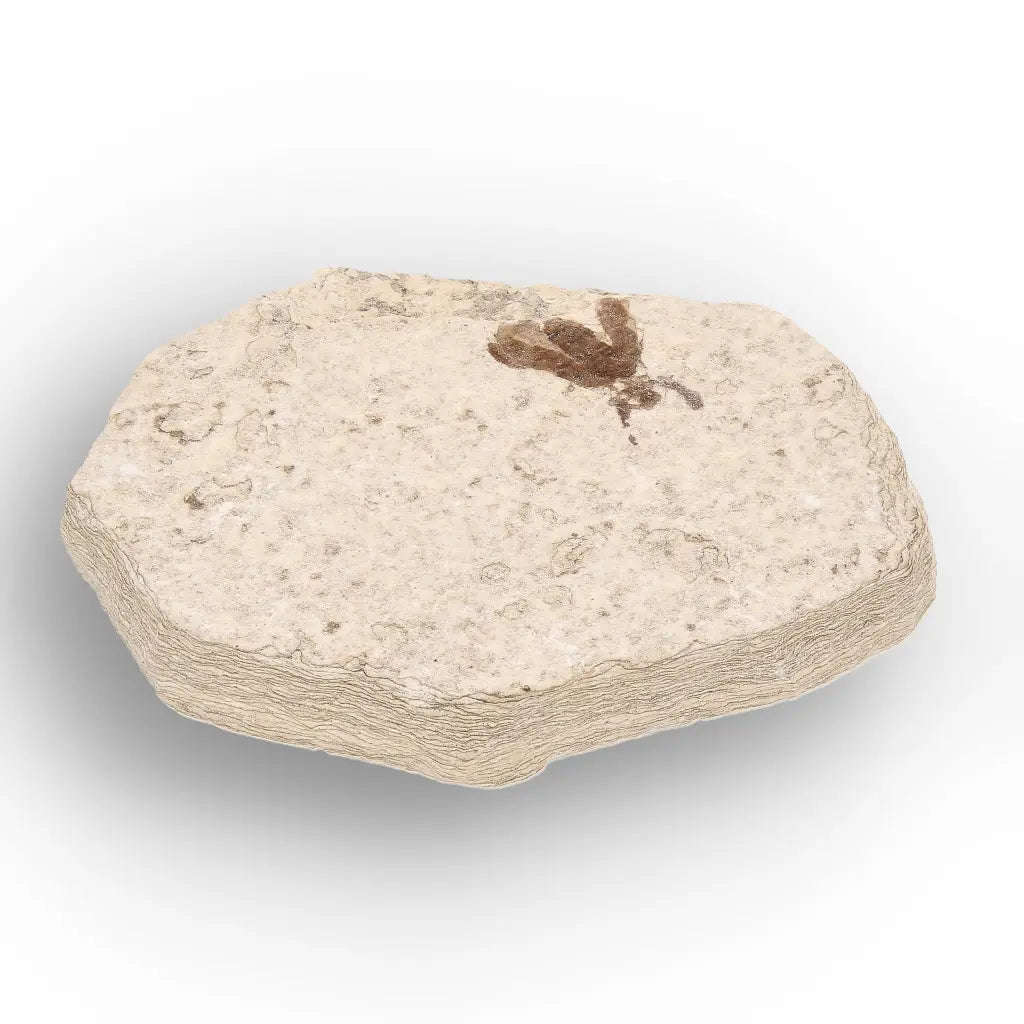
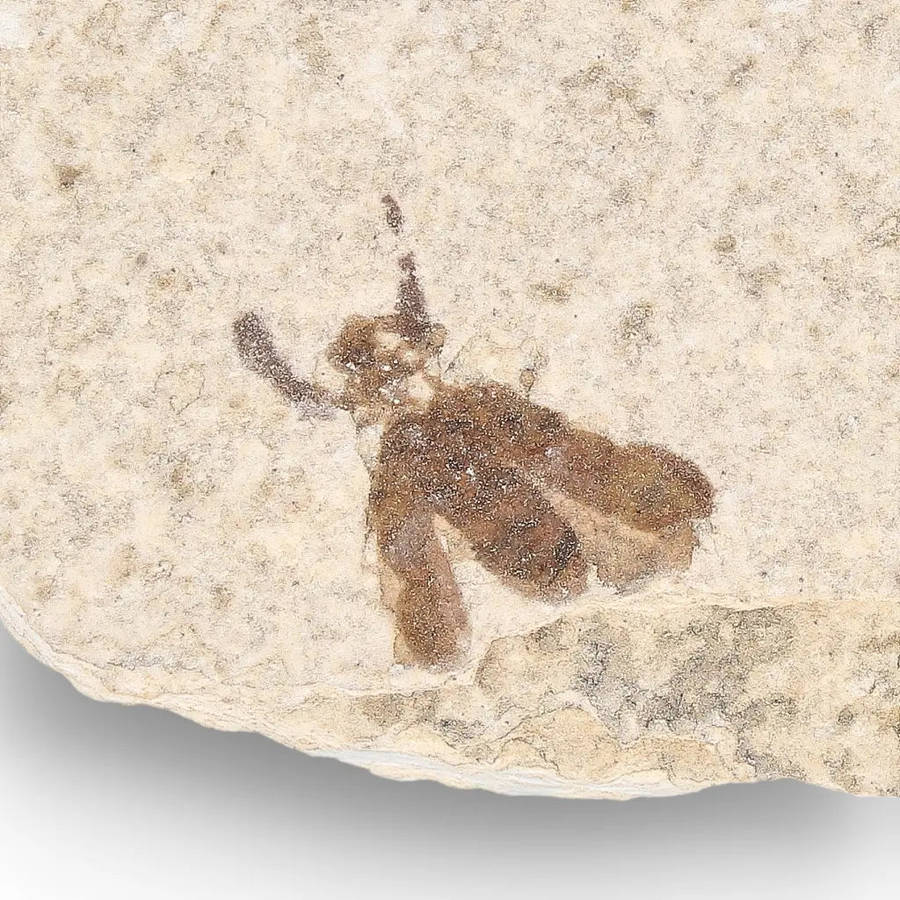
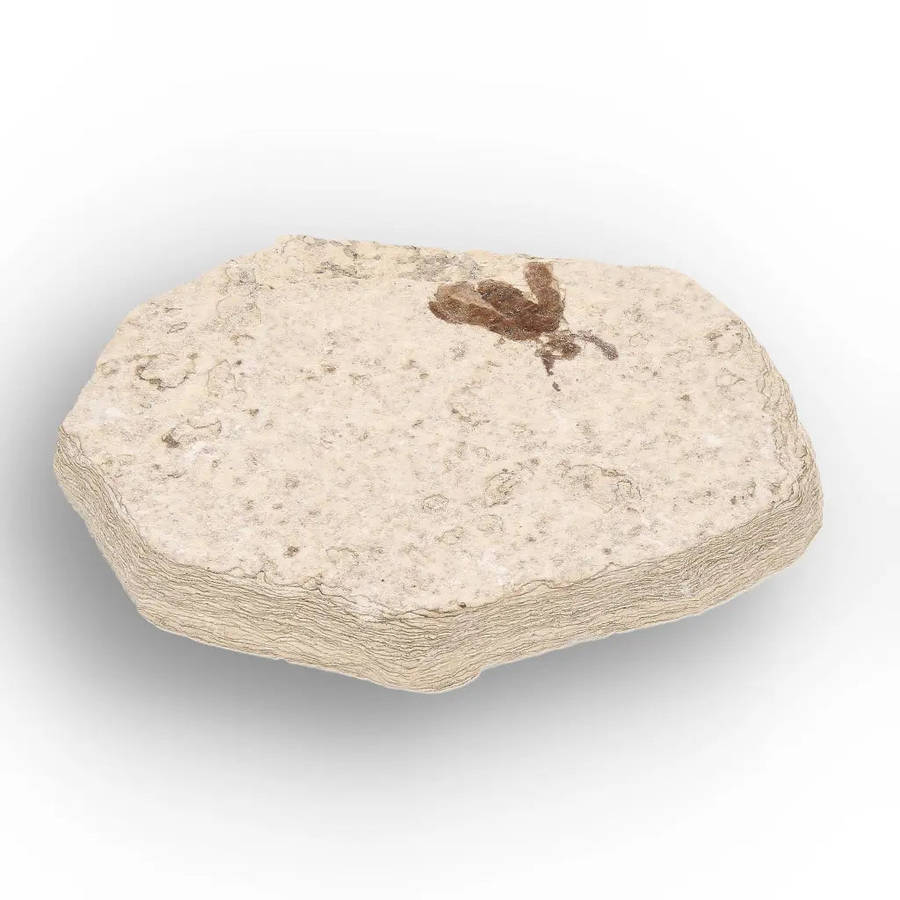
Delicate insect wings are among the most difficult features to survive the passage of time, making this authentic Marsh Fly (Plecia pealei) an especially captivating fossil. Preserved for approximately 51 million years, it offers a remarkable glimpse into the vibrant wetlands and forests that covered Wyoming during the Eocene Epoch.
Species: Plecia pealei (Marsh Fly)
Age: Eocene (~51 million years old)
Formation: Green River Formation
Location: Kemmerer, Wyoming, USA
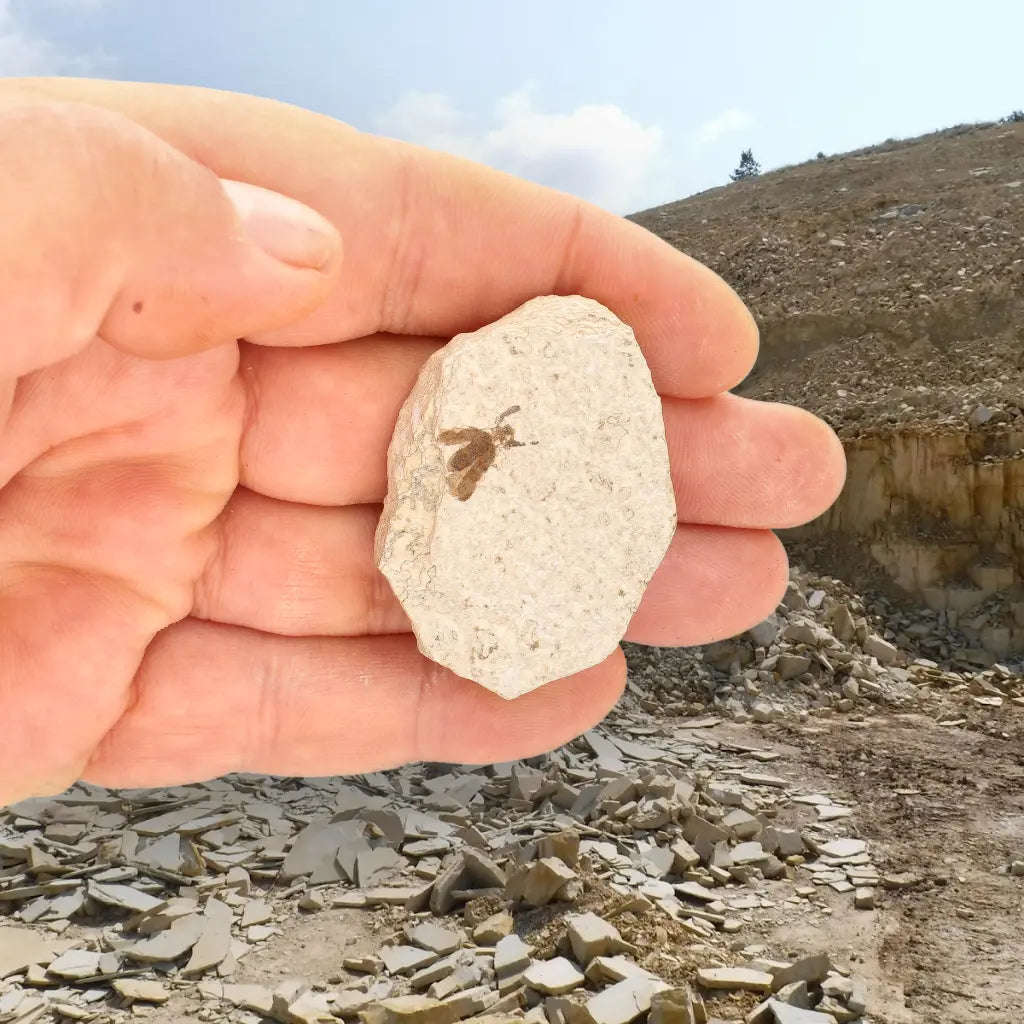
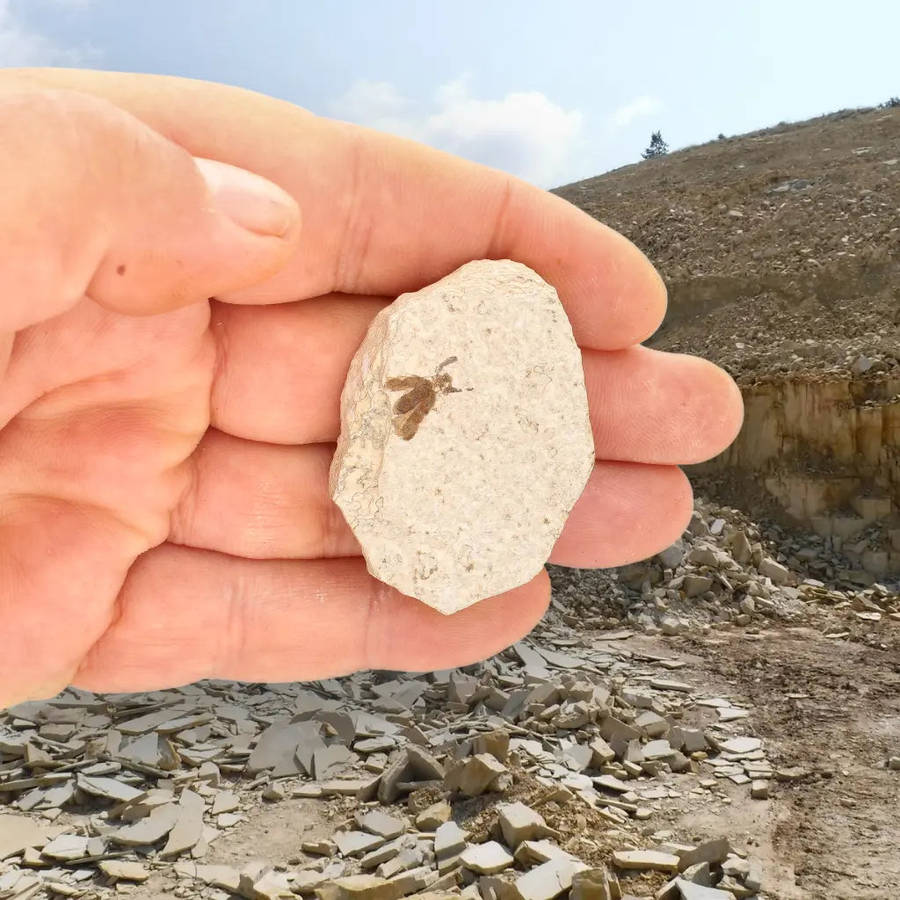
Specimen Size: Approximately 48mm × 35mm × 7mm
Fly Size: Approximately 12mm × 9mm
Weight: 18 g
Authenticity: 100% Authentic natural fossil
Display: Excellent collector, educational, or gift specimen
Recovered from the renowned Green River Formation, this fossil comes from one of the world's most extraordinary fossil deposits. During the Eocene Epoch, a chain of calm freshwater lakes spread across what is now southwestern Wyoming. Fine layers of sediment slowly settled onto the lake floor, gently burying insects, fish, plants, and other organisms before they could decompose. Over millions of years, these sediments became limestone, preserving an exceptional record of prehistoric life.
Today, the Green River Formation is recognised internationally for the quality of its fossils, providing scientists with an unparalleled window into an ancient freshwater ecosystem. While its beautifully preserved fish fossils are the most famous discoveries, insect fossils such as Plecia pealei are far less common and reveal the rich diversity of life that thrived around these ancient lakes.
The beautifully preserved wings of this Marsh Fly make it an eye-catching collector's specimen and a tangible connection to a world that existed long before modern landscapes took shape. Whether displayed in a collection, used for education, or given as a memorable gift, it is an authentic piece of Earth's remarkable history.