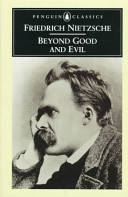
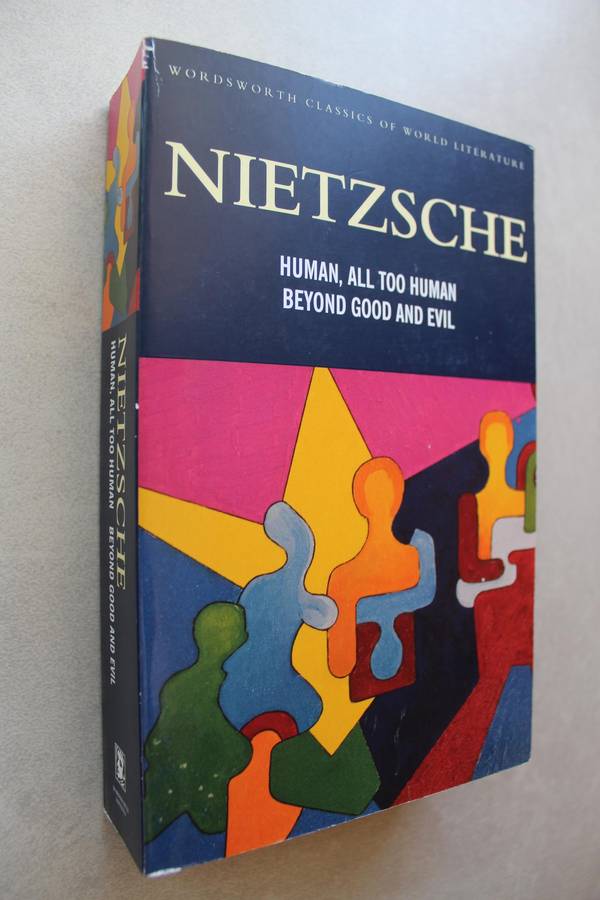
Human, All Too Human & Beyond Good and Evil / Nietzsche
Secondhand
1 was available
R155.00
0% off
Shipping
R35.00 Standard shipping using one of our trusted couriers applies to most areas in South Africa. Some areas may attract a R30.00 surcharge. This will be calculated at checkout if applicable. Check my rate
The seller has indicated that they will usually have this item
ready to ship within 15 business days.
Shipping time depends on your delivery address.
The most accurate delivery time will be calculated at checkout,
but in general, the following shipping times apply:
Human, All Too Human (1878) marks the point where Nietzsche abandons German romanticism for the French Enlightenment. At a moment of crisis in his life (no longer a friend of Richard Wagner, forced to leave academic life through ill health), he sets out his views in a scintillating and bewildering series of aphorisms which contain the seeds of his later philosophy (e.g. the will to power, the need to transcend conventional Christian morality). The result is one of the cornerstones of his life's work. It well deserves its subtitle A Book for Free Spirits, and its original dedication to Voltaire, whose project of radical enlightenment here finds a new champion.
Beyond Good and Evil (1886) is a scathing and powerful critique of philosophy, religion and science. Here Nietzsche presents us with problems and challenges that are as troubling as they are inspiring, while at the same time outlining the virtues, ideas, and practices which will characterise the philosophy of the future. Relentless, energetic, tirelessly probing, he both determines that philosophy's agenda and is himself the embodiment of the type of thought he wants to foster.