

| Main centres: | 1-3 business days |
| Regional areas: | 3-4 business days |
| Remote areas: | 3-5 business days |
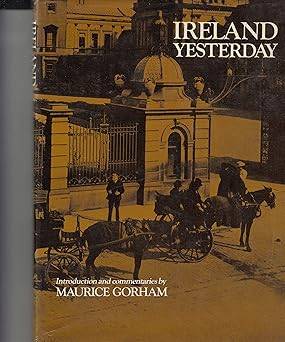
More than almost any other European country Ireland has changed in the years since the First World War. Yet paradoxically-and why not, since Ireland has always been the land of paradoxes? - Ireland has resisted change, retained its traditions, and confirmed its identity over the years. The dual nature of Ireland is illustrated most graphically by the old photographs in the book. Hardly one of them could conceivably belong to the present day, yet almost all are unmistakably Irish. These 200 and more pictures represent every aspect and region of the island in the sixty or so years preceding 1914. Queen Victoria and Edward VIII appear on their state visits, but so do the peasants of the Arans and the Blaskets, the Irish lessons organized by the Gaelic League, the scenes of eviction, and the prisons and some of their inmates. Geographically, the pictures are equally representative, Dublin, Belfast, and Cork are given ample space, but so also are the rural areas that even today are sometimes thought to typify Ireland more truly. Some, like the abortive flying machine in the grounds of Trinity College, Dublin, of the three Victorian ladies seated on top of the County Down cromlech, are unintentionally comic; many are of importance as documents in Irish social history; together they form a collection which, whether taken seriously or lightheartedly, is at the same time familiar and remote.
Second hand, good condition