| Main centres: | 1-3 business days |
| Regional areas: | 3-4 business days |
| Remote areas: | 3-5 business days |
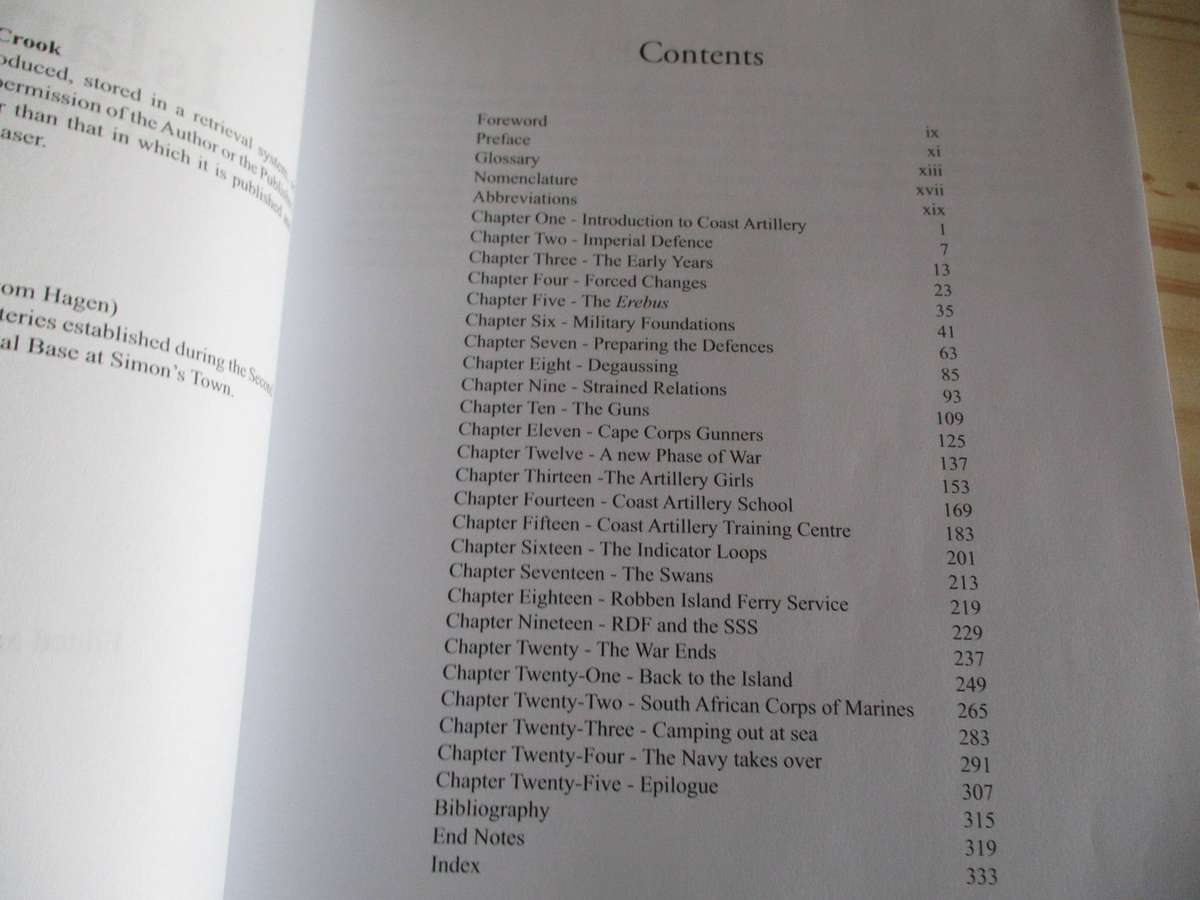
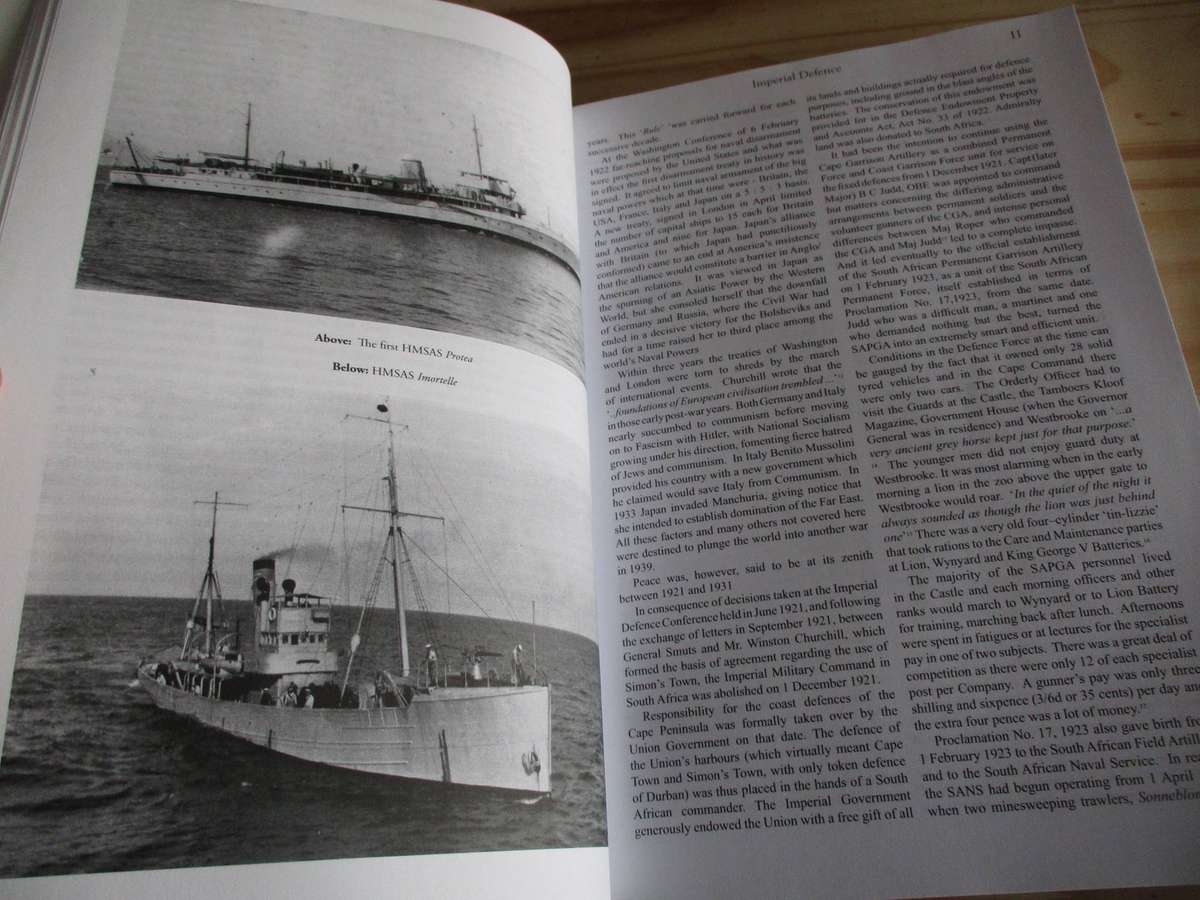
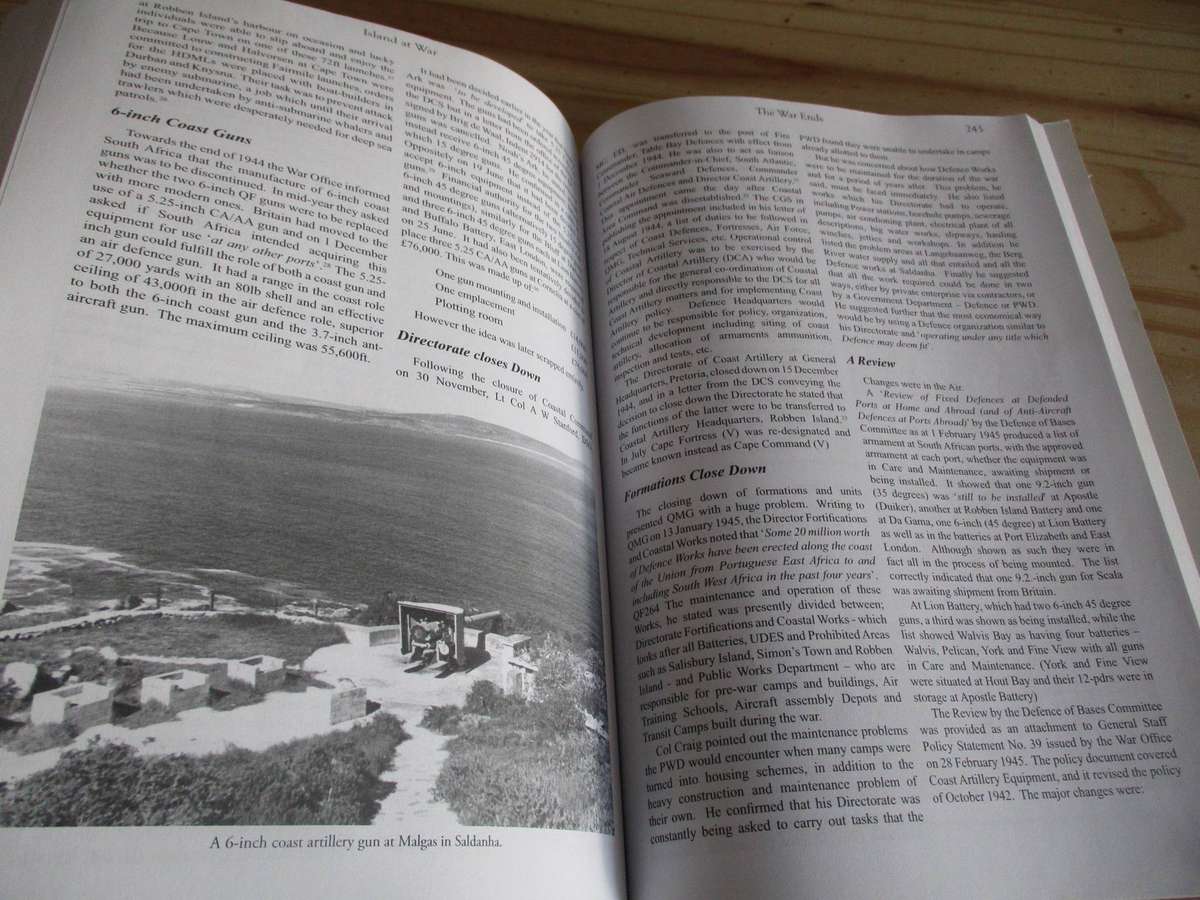
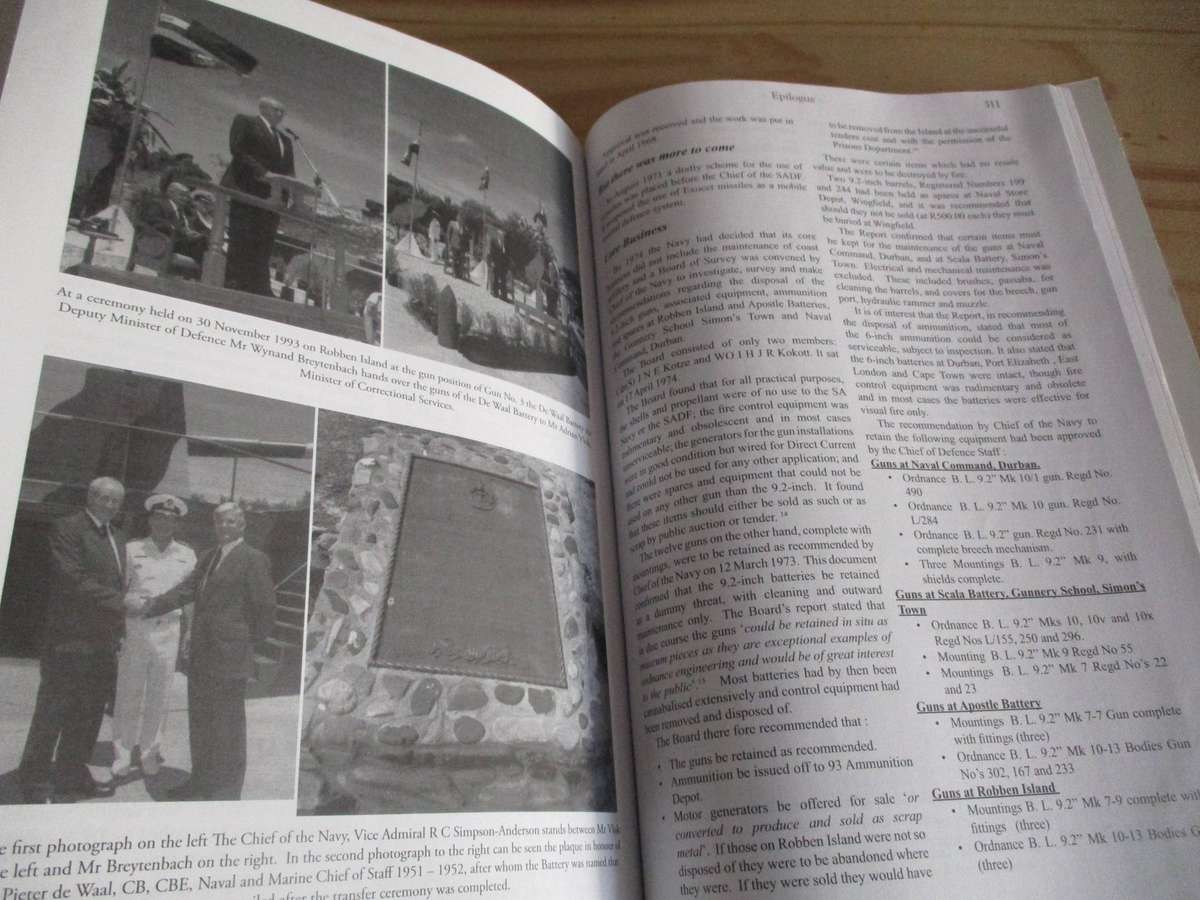
Robben Island is a place of scenic beauty rich memory and a fascinating history. This "island of seals" is now a world heritage site and museum because it was an island prison during the decades of the 60s, 70s and 80s. For many years black South African liberation fighters and resisters against apartheid were incarcerated. These men led by Nelson Mandela turned the island into a university of life. It was one of those places that seemed both impossibly far from Cape Town and yet almost touchable. It is now a major tourist attraction and a visit to Cape Town must include being whisked by hovercraft to Robben Island. Certainly, a visit to Robben Island in search of recent history made me interested in the island's history. There are many books of memoirs and reminiscences about Robben Island worth reading. This particular book is about a slice of earlier less well known but recent Robben Island History, namely the military history of the island in the Second World War and the coastal artillery defence of South Africa. This is a history of a number of different military units operating from Robben Island between 1939 and 1945, such as the Coast Gunners, the Women's Auxiliary Naval Services, and the Seaward Defence Forces. It is surprising to learn that Robben Island was a training centre for anti-aircraft gunners and infantrymen, and the island needed to be a military base because of the real threat of Japanese invasion. Table Bay could be defended from Robben Island. The introductory chapters set the context around imperial defence, radar, coastal artillery and significance of the armed battle cruiser. This book is an enormously detailed, full and a rather narrow history of coastal gunnery and more significantly the military men and women who lived worked and were trained on the island in the Second World War. It was a life of uniformed discipline, purpose, energy, and intensely organized effort. The numerous photographs of weapons, ships, people plus diagrams, sketch maps add to the richness and depth of this study. It is a comprehensive military and naval history and authoritative in its research. This study will appeal to military history buffs but the author Lionel Crook, a military man himself, provides an explanatory glossary, a list of abbreviations, a page of nomenclature, a fine bibliography, and full research notes which makes the book far more accessible to the general reader. However, it is not the sort of book one can read from cover to cover, and the book lacks an introduction and a conclusion reflecting on the overall significance and achievements of all this military effort. What really was the importance of the Cape of Good Hope in the Second World War? A chapter contributed by Deon Fourie relates his military and naval association with Robben Island in the 1950s. Robben Island was actually re-designated as a ship in 1956, shortly before the island was struck by a tornado, but in 1957 the Nationalist pro-apartheid government first realized that Robben Island could be the ideal location for a maximum-security prison. Naval training and surveillance could easily be switched to Simonstown. In 1961 Robben Island officially became a prison and so it remained until 1997 when the island was transferred to the Department of Arts and Culture. Why that happened is the subject of the next book in this review. This earlier history is important because it documents meticulously a specific and now little known phase of the history of the island.
I particularly liked the cover of the book with its fine aerial photograph of Robben Island, but such a substantial book deserves a hardcover format, better paper, and better reproduced illustrations (all the pictures are in black and white and some are rather grainy).