| Main centres: | 1-3 business days |
| Regional areas: | 3-4 business days |
| Remote areas: | 3-5 business days |
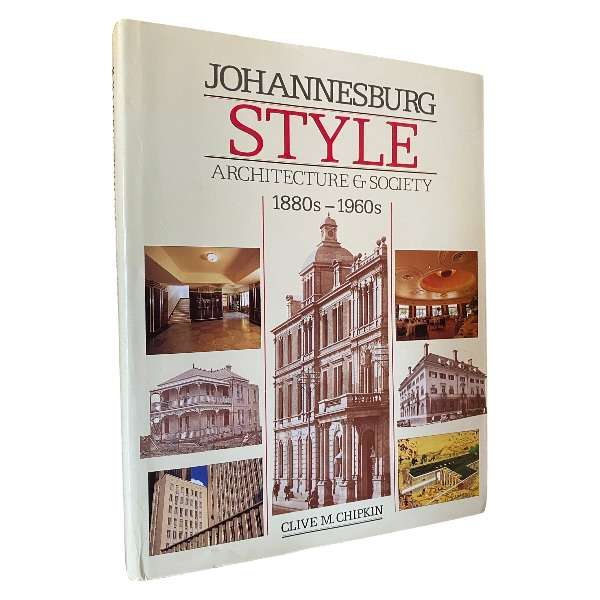
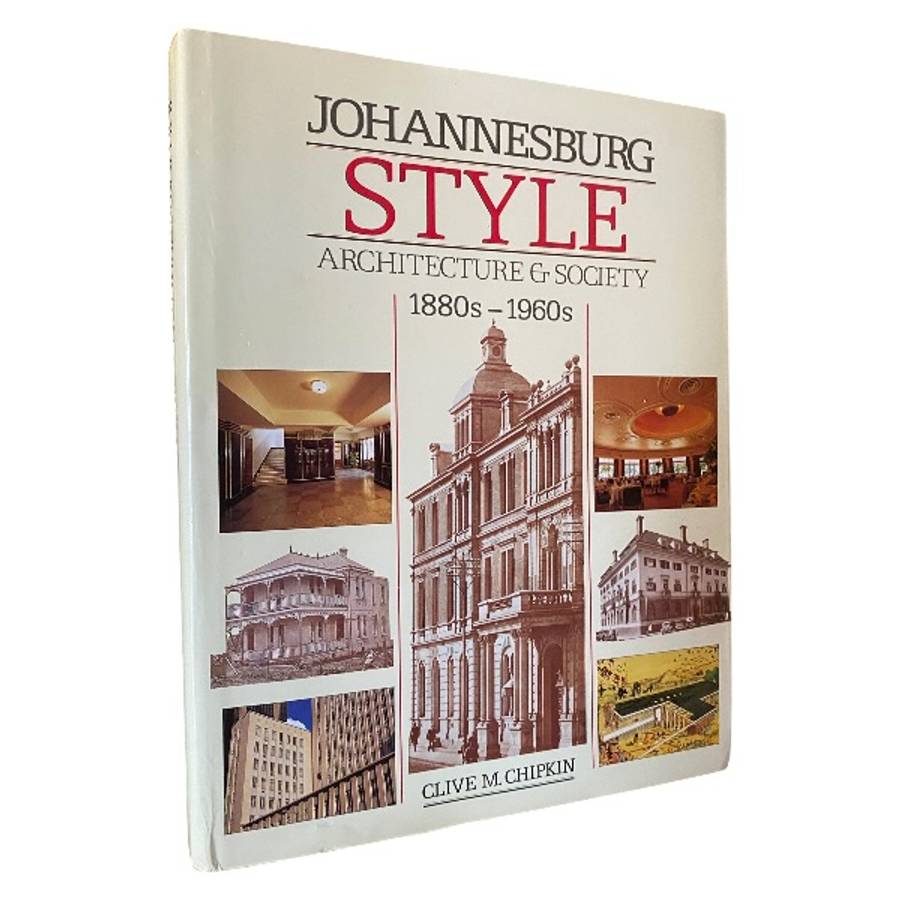
First published in 1993 by David Philip, Johannesburg Style is widely regarded as one of the definitive studies of Johannesburg's architectural and urban development. Written by noted architect and historian Clive M. Chipkin, the book traces the transformation of the city from a late nineteenth-century mining settlement into a complex modern metropolis shaped by wealth, industry, politics, migration, and modernist ambition. Richly illustrated and deeply researched, the work remains an important reference for architects, historians, urban scholars, and collectors of significant South African non-fiction.
Johannesburg Style examines the evolution of architectural movements across the city from the Victorian and Edwardian eras through the Art Deco period, the rise of modernism, and the post-war expansion of Johannesburg into one of Africa's great urban centres. Chipkin places buildings and design firmly within their social and political context, exploring how mining capital, segregation, commerce, and international influences shaped the cityscape. The book discusses major architects, landmark buildings, township planning, and the emergence of Johannesburg's distinctive skyline, drawing compelling comparisons with cities such as Chicago and New York.
Produced as a substantial illustrated hardcover, Johannesburg Style contains hundreds of photographs, architectural drawings, archival images, and historical references that bring the city's changing identity vividly to life. Chipkin's writing combines academic authority with accessibility, making the volume equally appealing to specialists and interested general readers. The book's scope and visual richness have helped establish it as an enduring title in South African architectural publishing.
Today, Johannesburg Style is increasingly sought after by collectors of Africana, architecture, urban history, and Johannesburg-related material. Its detailed treatment of twentieth-century South African architecture, together with its handsome production values and lasting scholarly importance, make it a desirable and highly collectible work.
Condition: Near fine - Bumps and damage to cover. Bent corner on page 225.