This product qualifies for free shipping in South Africa, using one of our trusted couriers. Offers below R350.00 do not qualify for free shipping. Check my rate
Free collection is available from various lockers and counter collection points across South Africa. Offers below R350.00 do not qualify for free shipping. View locations
The seller allows collection for this item. Buyers will receive the collection address and time once the order is ready.
The seller has indicated that they will usually have this item
ready to ship within 2 business days.
Shipping time depends on your delivery address.
The most accurate delivery time will be calculated at checkout,
but in general, the following shipping times apply:
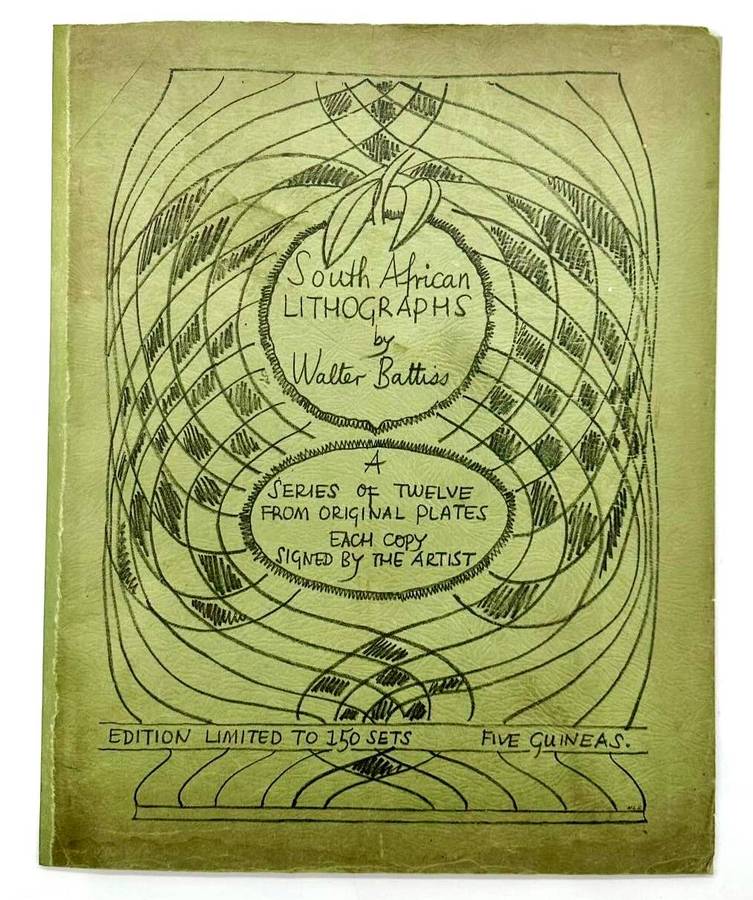
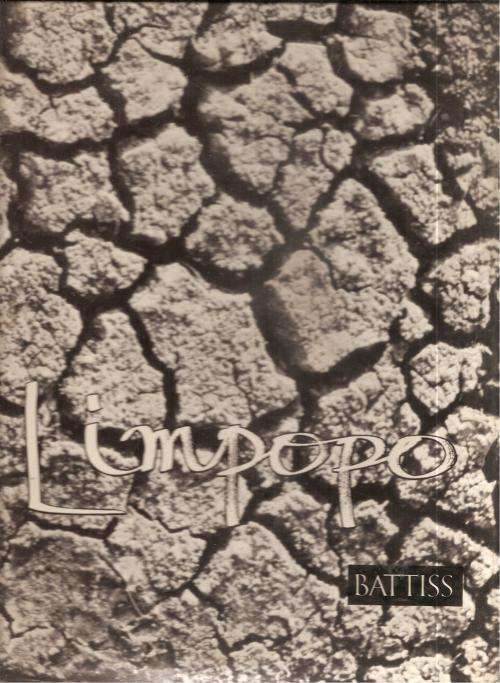
Published by The Swan Press & J.L. Van Schaik, 1965, hardcover, large format, , illustrated, index, 128 pages, some edgewear to dustjacket, otherwise condition: very good.
Both an iconic oil painting and an illustrated book published in 1965. This body of work is considered a pivotal moment in the South African artist's career, marking his transition from visual archaeology to the creation of his own "mythologies".
The original 1950s oil painting, Limpopo, served as the foundation for one of Battiss's most popular screenprints.
The work is known for its complex composition. The right side is a vertical "bird's-eye view" of a fountain, while the left side features anthropomorphic figures where humans and animals merge.
In the oil version, Battiss used sgraffitoscratching into thick layers of paintto create calligraphic marks in dark areas, a technique that was simplified in the later screenprints.
The work fuses his deep interest in San rock art with modernism, attempting to bridge the natural, physical, and spiritual realms.
The book was published as an autobiographical travelogue and launched at Gallery 101 in Johannesburg.
It is an illustrated album featuring lithographs, paintings, photographs, and drawings.
This period is often seen as a precursor to his most famous project, Fook Island. The symbols and alphabets he began exploring in the Limpopo series eventually evolved into the comprehensive culture of his imaginary utopian island.