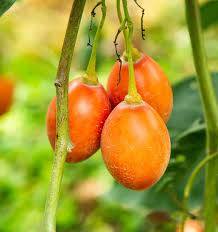
Lychee 'Mauritius' - The Legendary Sweetheart of Tropical Fruit
Bring the taste of tropical paradise to your backyard with the renowned Lychee 'Mauritius' (Litchi chinensis). This cherished cultivar, named after the island of Mauritius where it was first popularized, is widely considered one of the finest lychee varieties for home growers. It produces abundant clusters of bright red, rough-skinned fruit that encase translucent, jelly-like flesh with an intoxicating floral sweetness and a subtle rose-like aroma .
Known as one of the most consistent and reliable fruiting lychee varieties, 'Mauritius' rewards patient gardeners with generous harvests that capture the essence of the tropics in every single bite .
Why You'll Love the Lychee 'Mauritius':
· Exquisite, Aromatic Fruit: Experience the unforgettable flavor of fresh-picked lycheesweet, juicy, and delicately perfumed with notes of rose and citrus. The flesh is firm, translucent, and easily peels away from the moderately sized seed .
· Early & Reliable Cropper: 'Mauritius' is celebrated for its consistent productivity and early harvest window, typically ripening from late spring to early summer, often before other varieties .
· Handsome Evergreen Tree: Beyond the fruit, this tree is a landscape asset, featuring glossy, dark green leaves and a naturally dense, rounded canopy that provides excellent shade and year-round ornamental appeal .
· Container-Friendly: With its moderate growth rate and adaptability to pruning, 'Mauritius' thrives in large containers, making it possible to grow this tropical treasure on patios or in sunrooms in cooler climates .
· Self-Pollinating: You'll get fruit with just one tree, though planting another variety nearby can sometimes enhance production .
Simple Care Guide for a Bountiful Harvest:
· Sunlight: Requires full sun (at least 6-8 hours of direct sunlight daily) for optimal flowering and fruit production .
· Climate: Thrives in warm, subtropical to tropical climates. Mature trees can tolerate brief dips to -2 celcius but young trees need protection from frost . It also benefits from a period of cooler, drier weather to trigger blooming .
· Soil: Demands well-draining, slightly acidic soil (pH 5.0-6.5) rich in organic matter. Avoid heavy clay or areas prone to standing water .
· Watering: Requires consistent moisture, especially during flowering and fruit development. Water deeply when the top inch of soil feels dry, but do not overwater or allow soggy conditions, which can lead to root rot .
· Fertilizing: Feed with a balanced, slow-release fertilizer formulated for fruit or citrus trees (e.g., 8-3-9 or 10-10-10) in spring and midsummer. Avoid high-nitrogen fertilizers just before bloom .
· Pruning: Prune after harvest to remove dead or crossing branches and maintain a manageable shape. This also helps improve airflow and light penetration .
· Harvesting: Fruit is ready when the skin turns completely bright red and easily separates from the flesh. Harvest by cutting the entire cluster with a small portion of stem attached .
A Taste of Island Heritage, Grown in Your Own Garden.
🛒 Plant a Piece of ParadiseOrder Your Lychee 'Mauritius' Today!