Lynne Bryer, The Cancer Years. Plumstead: Carapace Poets (Snailpress), 1999.
21 x 13.5 cm, card wraps with French folds, 42 pages.
Wraps a little rubbed, gift inscription from the parents of the author on the half-title-page. The recipient's name has been obliterated with black ink which has bled through to the verso of the leaf, but fortunately there is no offsetting onto the title-page. Internally, a good, clean copy.
The Cancer Years by Lynne Bryer is a slim but deeply affecting poetry collection published in 1999 by Carapace Poets, an imprint of Snailpress in Plumstead, South Africa. The book was issued after Bryers death and gathers poems written during her five-year struggle with breast cancer. Contemporary descriptions of the collection emphasize its meditative and spiritual character rather than anger or despair: the poems trace a gradual movement toward acceptance of mortality, rendered in language noted for its musical restraint and emotional clarity.
Shortly before she died, Bryer entrusted the completed manuscript to her friend Hilary Reynolds, who prepared it for publication while preserving the poets intended sequence and structure. The resulting volume is therefore often read not simply as a poetry collection but as a carefully shaped final statement. Although little criticism survives online, the available commentary consistently describes the poems as quietly courageous and free of bitterness, with an emphasis on transcendence, inner stillness, and dignity in the face of suffering.
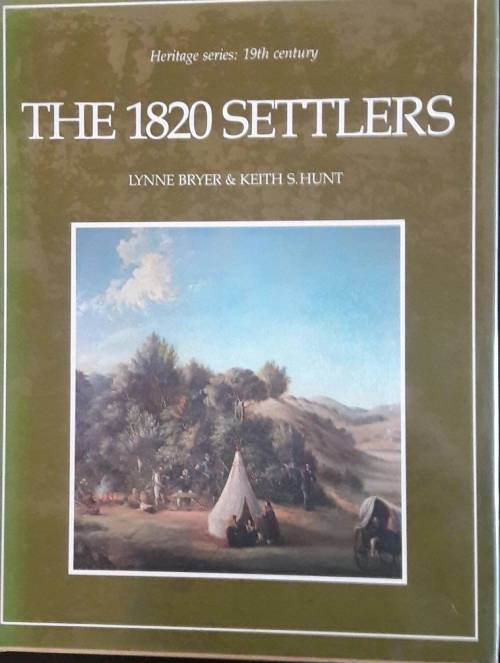
Bryer herself appears to have been a versatile South African author whose work ranged from poetry to historical and heritage writing. Besides The Cancer Years, she published books such as The Huguenot Heritage and A Time in the Country. She occupied a small but respected place in South African literary circles of the late twentieth century, particularly within the independent poetry community associated with Carapace and Snailpress.