Pyrite Rough Cluster ��� Natural Fool���s Gold
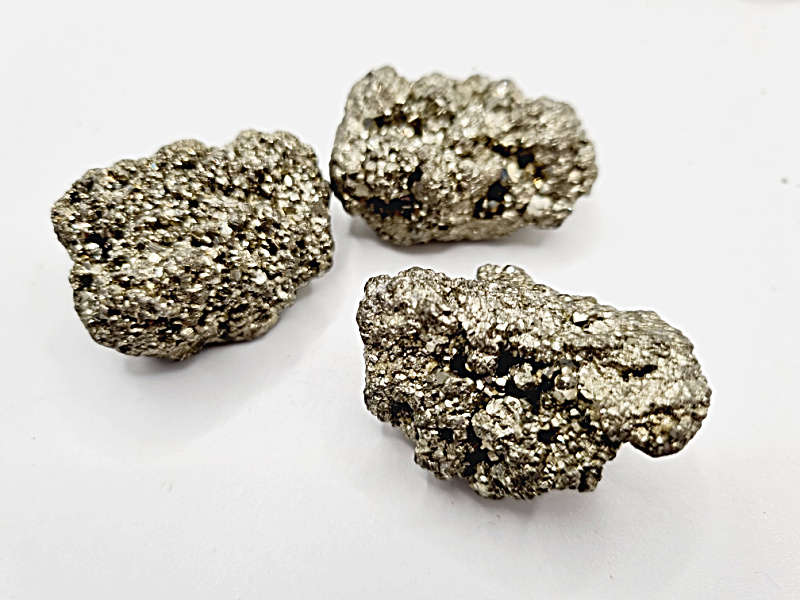
Pyrite has a way of catching the eye without needing a polished finish. Its brassy, metallic-gold surfaces and naturally formed crystal structures make this Pyrite Rough Cluster an interesting specimen for anyone who appreciates the geometry and character of minerals.
Often nicknamed ���Fool���s Gold���, Pyrite is not actual gold. It is an iron sulphide mineral, recognised for its metallic lustre and the angular crystal forms it can develop naturally. In a rough cluster, those surfaces and irregular formations create a different look from the neat, separate cubes sometimes associated with Pyrite.
What Makes Rough Pyrite So Interesting?
One of Pyrite���s most distinctive features is its ability to form geometric crystals, including cubes. These shapes arise from the mineral���s crystal structure rather than necessarily being carved by hand.
A cluster offers a more irregular arrangement of surfaces, edges and reflective details. As the light changes, different areas may catch the eye, making a natural specimen particularly appealing to examine up close or display alongside other minerals.
The metallic brassy-gold colour explains the Fool���s Gold nickname, but Pyrite has plenty of geological interest in its own right. It is a worthwhile addition to a collection focused on mineral formations, natural textures or metallic-looking specimens.
Pyrite in Crystal Traditions
In modern crystal traditions, Pyrite is commonly associated with abundance, confidence, motivation and protection. It is also linked with the Solar Plexus Chakra and themes of personal will and determination.
Some people choose Pyrite as a symbolic reminder of their goals or intentions, while others are drawn to its appearance and mineral structure alone. These metaphysical associations are traditional beliefs, not scientifically established effects or guarantees of prosperity.
Product Details
- Stone: Natural Pyrite
- Form: Rough crystal cluster
- Finish: Raw and unpolished
- Colour: Metallic brassy-gold, with natural variation
- Listed size: Approximately 4���6 cm
- SKU: 12074
Natural Pyrite clusters vary in shape, surface texture, crystal formation and lustre. Your specimen may therefore look different from the photograph.
Display and Care
A rough Pyrite cluster can be displayed on a shelf, desk or mineral stand, or added to a collection of natural crystal specimens. Its metallic colour also creates an appealing contrast beside darker stones or more colourful minerals.
Pyrite benefits from dry storage. Avoid soaking it or leaving it in persistently damp conditions, and use a soft, dry brush or cloth to remove dust. Handle projecting crystal edges with care, as rough formations may be brittle.
For more specimens in their natural, unpolished state, browse Rough Crystal Pieces ��� Small. You can also explore the wider Pyrite collection to compare different forms of this distinctive mineral.
If you prefer the contrast of a smoother finish, see our Pyrite Tumble Stones.
Frequently Asked Questions
Is Pyrite the same as gold?
No. Pyrite is an iron sulphide mineral, while gold is a different chemical element. Their similar metallic colour is why Pyrite is popularly called Fool���s Gold.
Is this Pyrite cluster polished?
No. It is listed as a rough, unpolished crystal cluster, so its natural surface texture and formations remain visible.
Why do Pyrite crystals sometimes form cubes?
Pyrite belongs to the cubic crystal system and can naturally develop well-defined cubic crystal faces. Not every specimen forms perfect cubes; clusters can contain irregular or mixed formations.
What does Pyrite symbolise in crystal practices?
Pyrite is traditionally associated with abundance, confidence, motivation and protection. These associations are part of modern crystal traditions rather than scientifically proven outcomes.
Will my Pyrite cluster look exactly like the photograph?
Not necessarily. Natural specimens differ in shape, crystal formation, metallic lustre and surface texture, so each cluster has its own character.