| Main centres: | 1-3 business days |
| Regional areas: | 3-4 business days |
| Remote areas: | 3-5 business days |
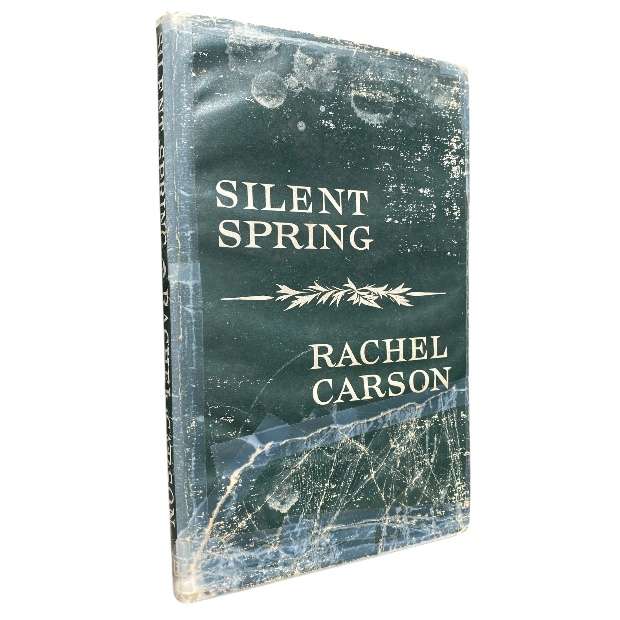
"Silent Spring" casts a startling lens over the hidden consequences of widespread pesticide use, revealing how chemicals such as DDT traverse ecosystems, accumulate in wildlife and humans, and challenge the very fabric of nature. Rachel Carson, with scientific precision and lyrical prose, builds a compelling case that the unrestrained use of synthetic biocides threatens birds, fish, insectsand ultimately ourselves. The book opens with a vivid "Fable for Tomorrow," imagining a world where birds stop singinga metaphor that resonates through every chapter.
As the text progresses, the author delves into real-world examples of chemical accumulation in food chains, the collapse of bird and insect populations, and the regulatory inertia that allowed these dangers to proliferate. "Silent Spring" is as much a call to awareness as it is a scientific exposition. It confronts the chemical industry's narrative of progress and invites readers to reconceive the relationship between humans and the natural world.
Today "Silent Spring" remains a watershed text in environmental literature, inspiring generations to reconsider technology, ecology and policy. Its urgency and elegance convey both deep expertise and accessible narrative, making it powerful for specialists and general readers alike. The 1963 Hamish Hamilton/Readers Union edition carries the imprint of its time while preserving Carson's enduring voice.