

| Main centres: | 1-3 business days |
| Regional areas: | 3-4 business days |
| Remote areas: | 3-5 business days |
The String of Turtles is one of those plants that just makes you smile. With its tiny patterned leaves that look exactly like turtle shells, this trailing beauty is perfect if you want something a little different. And at this price, you're getting a real gem without breaking the bank.
Commonly known as: String of Turtles
Botanical name: Peperomia Prostrata
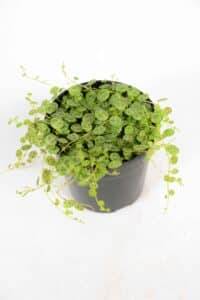
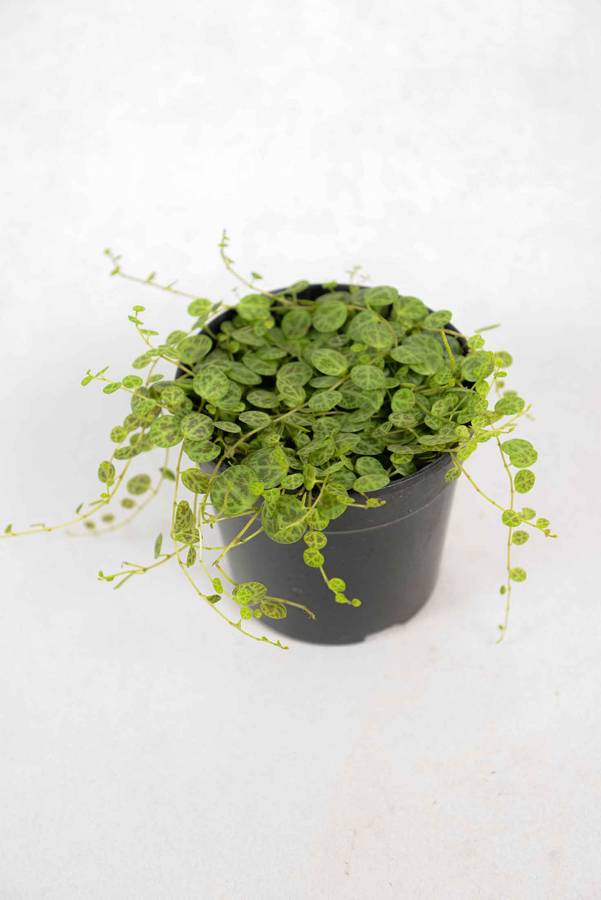
The String of Turtles (Peperomia prostrata) is one of those plants that feels almost magical up close. Each tiny, round leaf is patterned like a miniature turtle shell deep green with intricate silver veining and together they trail softly over the edges of pots, shelves, or baskets. Over time, the vines form a dense, patterned mat that looks like a living mosaic.
Despite its delicate appearance, the String of Turtles is surprisingly easy to care for. It's a slow grower that prefers gentle, consistent care rather than heavy attention, which makes it perfect for desks, windowsills, or smaller spaces where it can quietly thrive. It's part of the Peperomia family, which means it stores moisture in its leaves and doesn't mind drying out between waterings.
Less is more. Water only when the top few centimetres of soil are dry usually every 10 to 14 days in warm weather. Allow the excess to drain away completely, as these fine roots are sensitive to soggy soil. During winter, extend the interval slightly. Overwatering is the most common reason for leaf drop, so a lighter hand works best.
Bright, indirect light is ideal. The String of Turtles enjoys morning or late afternoon sun but should be protected from harsh midday rays, which can fade its markings. Too little light will cause the pattern to blur and growth to slow, while strong filtered light keeps the colours crisp.
Yes, it appreciates moderate humidity, similar to most Peperomias. A light misting now and then helps keep the foliage plump and glossy. Avoid cold drafts and heaters that dry out the air, especially during winter months.
For optimal drainage and healthy roots, use our Aroid Mix, or make your own using Barks Unlimited Potting Soil combined with Perlite. This mix allows excess water to drain quickly while holding just enough moisture for those fine roots.
Feed every 68 weeks during the warmer months using our Organic Fertiliser. A small amount of Controlled Release Fertiliser added to the top layer of soil provides a gentle, steady nutrient boost. Skip feeding in winter when growth naturally slows.
This Peperomia prefers staying slightly snug in its pot. Repot every 1824 months, or when the vines start spilling over dramatically. Choose a shallow pot with drainage holes and refresh the mix when repotting. You can trim longer vines to shape the cuttings root easily in water or soil, so you can start new plants or fill out the same pot. Add a few Bark Chips to the soil for extra aeration.
It's generally pest-resistant but can attract the odd mealybug or fungus gnat if kept too damp. If that happens, allow the soil to dry out a bit and treat with an insecticidal spray. Wiping the leaves gently with a soft cloth also helps keep the plant dust-free and healthy.
Keep it between 18 °C and 28 °C. It dislikes cold air and sudden temperature drops, so avoid placing it near open windows in winter or air-conditioning vents. Consistent warmth keeps the foliage dense and vibrant.
 FAQ's
FAQ'sQ: Why are my turtle leaves shrivelling?
That usually means underwatering or air that's too dry. Increase humidity slightly and water a bit more frequently.
Q: Can I grow it outdoors?
Yes, on a shaded, frost-free patio. Bring it indoors during cold weather.
Q: Is it pet-friendly?
Yes, it's non-toxic to cats and dogs a gentle, safe choice for households with pets.
Q: How long do the vines get?
Over time, they can trail up to 3040 cm, forming a lush hanging curtain of patterned leaves.
Be sure to visit and follow us and