About the book:
A rich selection of Dylan Thomass poetry, prose, and dramatic writings. Famous for his lush, musical language and vivid imagery,
Thomas explores life, death, childhood, nature, and the magic of the word in this essential volume by one of Waless greatest literary voices.
Condition:
Good secondhand condition.
Age related tanning to pages.
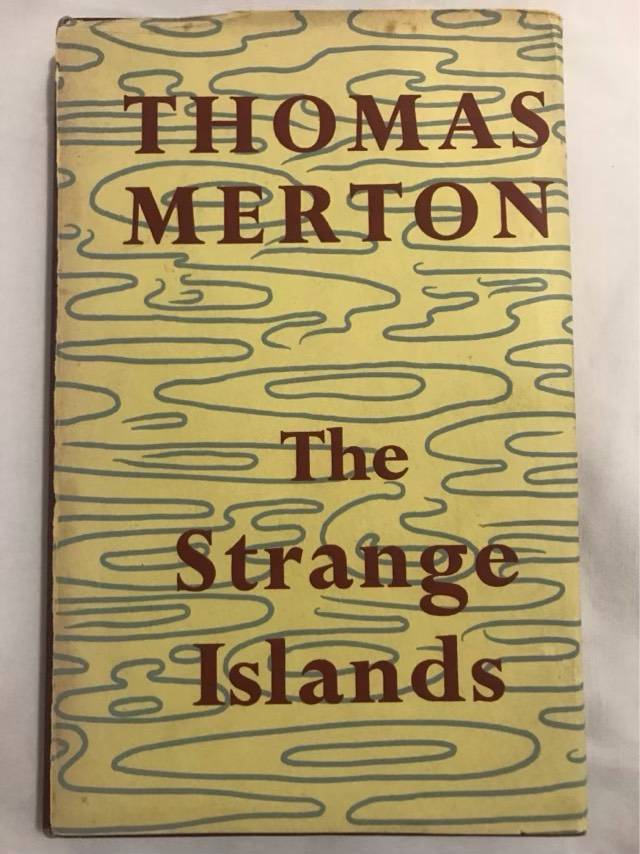
Wear to cover as pictured.
Follow the link below to view our other listings:
https://www.bobshop.co.za/seller/5375758/Orphan_Books
About the author:
Dylan Thomas (1914 to 1953)
Dylan Marlais Thomas was born on October 27, 1914, in Swansea, Wales, the son of a grammar school English teacher. A precocious child who struggled with formal education, he left school at sixteen and began working as a reporter while immersing himself in the vibrant literary scene of 1930s Britain. His early bohemian life in London and frequent returns to the Welsh countryside profoundly shaped his worldview, blending a deep love for the rhythms of the natural world with an awareness of mortality, myth, and the exuberant chaos of human experience. These formative years fueled a romantic intensity that would define his voice.
Thomas achieved literary breakthrough with the publication of his first collection, 18 Poems, in 1934, when he was just twenty. His stylerichly musical, image-saturated, and often surrealearned immediate acclaim for its passionate lyricism and inventive wordplay. Major achievements include the radio play Under Milk Wood, the poem Do not go gentle into that good night, and numerous short stories that captured the humor and hardship of Welsh village life. By his thirties, he had become one of the most distinctive and celebrated voices in modern literature, known as much for his mesmerizing public readings as for his written work.
Influenced by the Bible, Welsh folklore, William Blake, Edgar Allan Poe, James Joyce, and the English Romantic poets, Thomas also drew from contemporaries such as W. H. Auden, Stephen Spender, and Louis MacNeice. His work, in turn, inspired later poets including Seamus Heaney, Ted Hughes, Philip Larkin, Allen Ginsberg, and John Berryman. Adjacent figures in the literary landscape include fellow Welsh writers like R. S. Thomas and Vernon Watkins, as well as American Beat poets and Irish modernists who shared his fascination with language as living music.
Recurring themes in Thomass writing include the cycle of birth and death, the sensual vitality of the natural world, childhood innocence, religious doubt, and the power of the imagination. Major works include 18 Poems (1934), Twenty-five Poems (1936), Portrait of the Artist as a Young Dog (1940), Deaths and Entrances (1946), Under Milk Wood (1954), and the story collection A Childs Christmas in Wales.
In his later years, Thomas battled alcoholism and financial difficulties while undertaking exhausting reading tours in America. He died on November 9, 1953, in New York City at the age of thirty-nine, following a bout of pneumonia and complications from heavy drinking. His legacy endures as one of the 20th centurys most passionate and sonically brilliant poets, whose unique contribution lies in his ability to make language sing with the wild, sacred energy of life itself.