

| Main centres: | 1-3 business days |
| Regional areas: | 3-4 business days |
| Remote areas: | 3-5 business days |
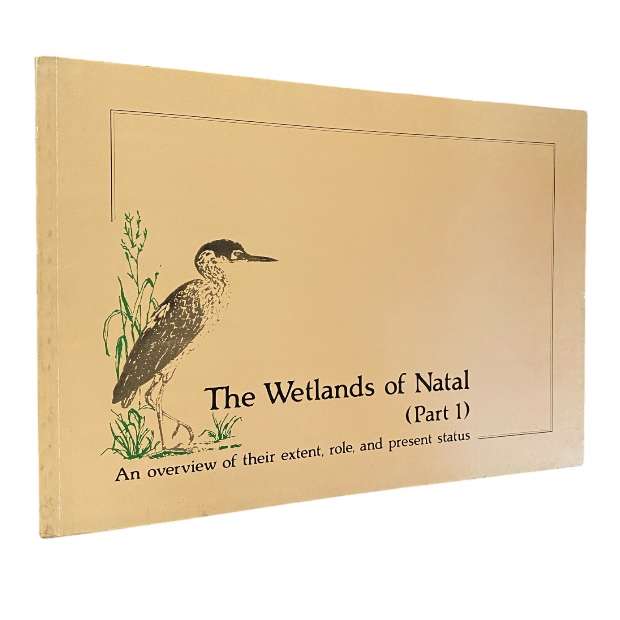
The Wetlands of Natal (Part 1) by G. Begg (1986) is a foundational environmental and ecological study of the wetland systems in Natal, South Africa. Compiled as part of a regional planning report for the Natal Town and Regional Planning authorities, this volume documents the distribution, characteristics, and ecological significance of Natal's wetlands offering an invaluable snapshot of wetland ecology during the mid-1980s, before many modern development pressures intensified. For environmental researchers, conservationists, land-use planners, and anyone interested in South Africa's natural heritage, this report remains a significant reference.
Inside The Wetlands of Natal (Part 1), readers will find detailed descriptions of various wetland types marshes, floodplains, estuarine zones, riparian corridors as well as data on hydrology, vegetation, seasonal patterns, and habitat conditions. The report examines the role of these wetlands in supporting biodiversity, regulating water flow, and sustaining local ecosystems, while also highlighting the sensitivity of these habitats to changes in land use, drainage, and pollution. As such, the book serves both as a scientific record and a planning-tool reference for conservation and sustainable development efforts.
Because this is a 1986 regional report, The Wetlands of Natal (Part 1) offers historical context that is increasingly rare: it shows how wetlands were evaluated before large-scale urban expansion, agriculture intensification, and environmental change. For academics, land-use historians, and conservation stakeholders, this report is a valuable artefact documenting conditions and ecological thinking of the time making it a thoughtful and important addition to any second-hand or specialized collection focused on South African ecology, environmental planning, or natural-history documentation.


%20%20%20%20(R3).jpg)