



| Main centres: | 1-3 business days |
| Regional areas: | 3-4 business days |
| Remote areas: | 3-5 business days |
About the book:
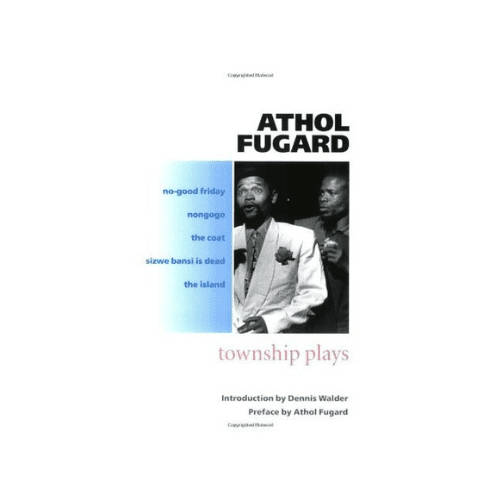
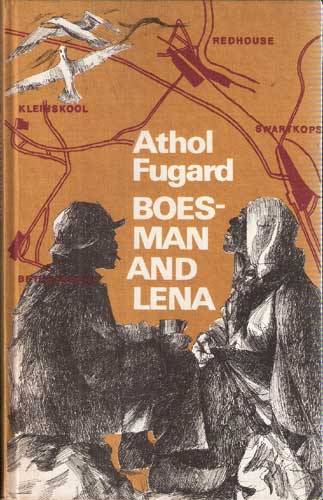
Fugard's collaborative work from the Serpent Players era theatre made under apartheid censorship, with the constraints built directly into the form.
Essential South African drama.
Condition:
Good secondhand condition.
Wear to cover.
All pages bright, well bound, and intact.
Browse our other listings:
https://www.bobshop.co.za/seller/5375758/Orphan_Books
About the author: Athol Fugard (1932 to present)
Athol Fugard was born on June 11, 1932, in Middelburg, South Africa, to an English-speaking father and an Afrikaner mother. Growing up in Port Elizabeth during the rise of apartheid, he witnessed racial injustice firsthand while working various jobs, including as a clerk in a courtroom and a seaman. These experiences, combined with his early involvement in multiracial theater, shaped a worldview rooted in moral courage, empathy for the oppressed, and an unwavering belief in the power of storytelling to challenge injustice and affirm human dignity.
Fugard achieved international breakthrough with plays such as Blood Knot (1961) and Master Haroldand the Boys (1982), which brought the intimate human cost of apartheid to global stages. His spare, psychologically intense styleoften blending realism with poetic dialoguecreated powerful chamber dramas that exposed the corrosive effects of systemic racism. Major achievements include a body of work that became a vital artistic weapon against apartheid, earning him numerous honors and establishing him as South Africas preeminent playwright.
Influenced by Samuel Beckett, Bertolt Brecht, Albert Camus, and the South African realities around him, Fugard also drew from his collaborations with Black actors like John Kani and Winston Ntshona. He, in turn, inspired generations of playwrights and writers confronting social injustice, including August Wilson, Suzan-Lori Parks, and contemporary South African voices such as Damon Galgut and Zakes Mda. Adjacent figures include Nadine Gordimer, J. M. Coetzee, and other artists of the anti-apartheid cultural resistance.
Recurring themes in Fugards work include racial identity and division, the struggle for personal freedom, guilt and forgiveness, father-son relationships, and the quiet heroism of ordinary lives under oppression. Major works include Blood Knot (1961), Sizwe Banzi Is Dead (1972), The Island (1973), Master Haroldand the Boys (1982), My Children! My Africa! (1989), and The Train Driver (2010).
Now in his nineties, Athol Fugard continues to write and occasionally direct from his home in South Africa and the United States. His legacy as a moral witness and theatrical innovator endures, and his unique contribution lies in giving eloquent voice to the silenced, using the intimate space of the stage to illuminate the universal yearning for justice and human connection in the face of division.


