

| Main centres: | 1-3 business days |
| Regional areas: | 3-4 business days |
| Remote areas: | 3-5 business days |
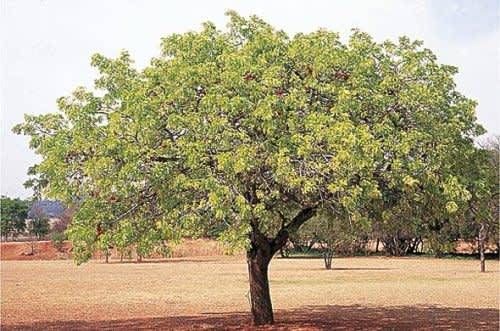
The umbrella thorn, Vachellia tortilis, is a characteristic and highly adaptable tree native to arid and semi-arid regions of Africa and parts of the Middle East. It is widespread across countries such as South Africa, Namibia, Botswana, and extending into drier savanna and desert landscapes. It is especially associated with open plains and dry riverbeds, where it plays a key role in stabilising ecosystems.
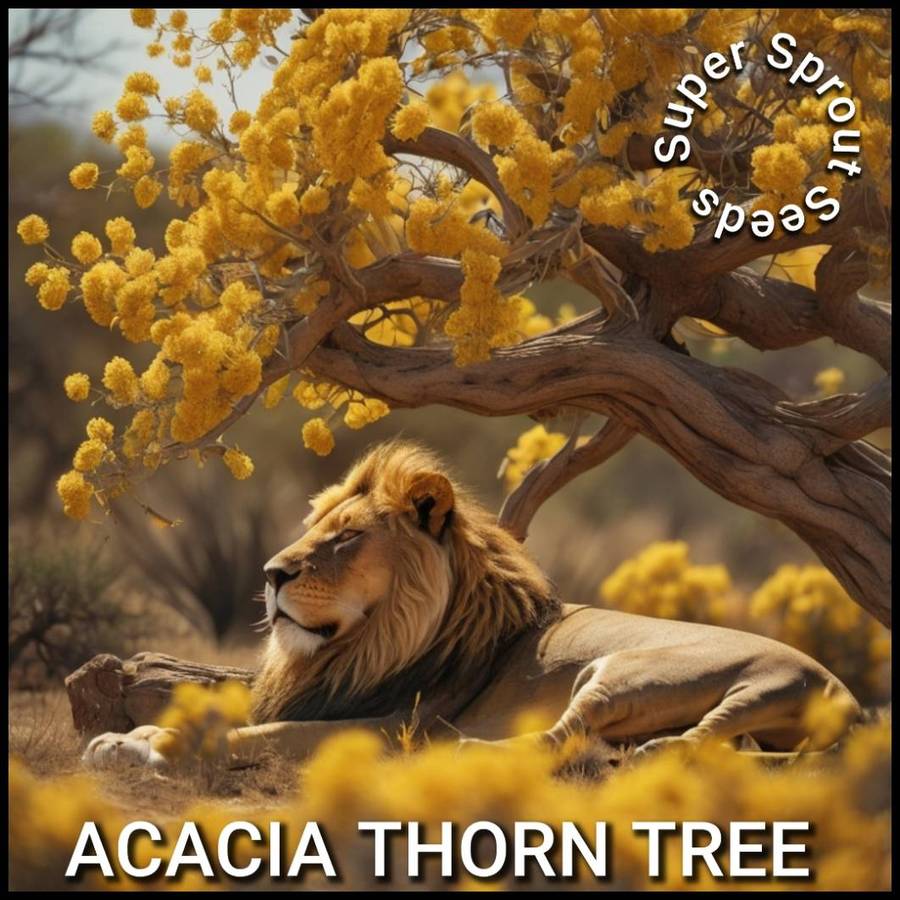
This species is most easily recognised by its iconic umbrella-shaped canopy, which spreads wide and flat, especially in mature trees. The bark is rough and grey-brown, and the branches bear paired white thorns that can be quite sharp. The leaves are small and finely divided, helping the tree conserve water in hot, dry environments. In spring and summer, it produces small, fragrant cream-coloured flowers in dense spherical clusters, followed by twisted seed pods that are an important food source for wildlife.
Vachellia tortilis is ecologically significant in dry landscapes, providing shade, shelter, and forage for many animals, including antelope and livestock. It is also a keystone species in desert ecosystems, helping to reduce wind erosion and improve microhabitats beneath its canopy. Its deep root system allows it to access groundwater, enabling it to survive in extremely harsh conditions where few other trees can persist.
Growing Vachellia tortilis requires hot, sunny conditions and well-drained sandy or rocky soil. It is extremely drought-tolerant once established and should not be overwatered, as it is naturally adapted to arid environments. It can tolerate poor soils and high temperatures but is sensitive to prolonged frost when young. Given enough space and minimal interference, it develops into a resilient, long-lived tree with a distinctive and iconic silhouette.