| Main centres: | 1-3 business days |
| Regional areas: | 3-4 business days |
| Remote areas: | 3-5 business days |
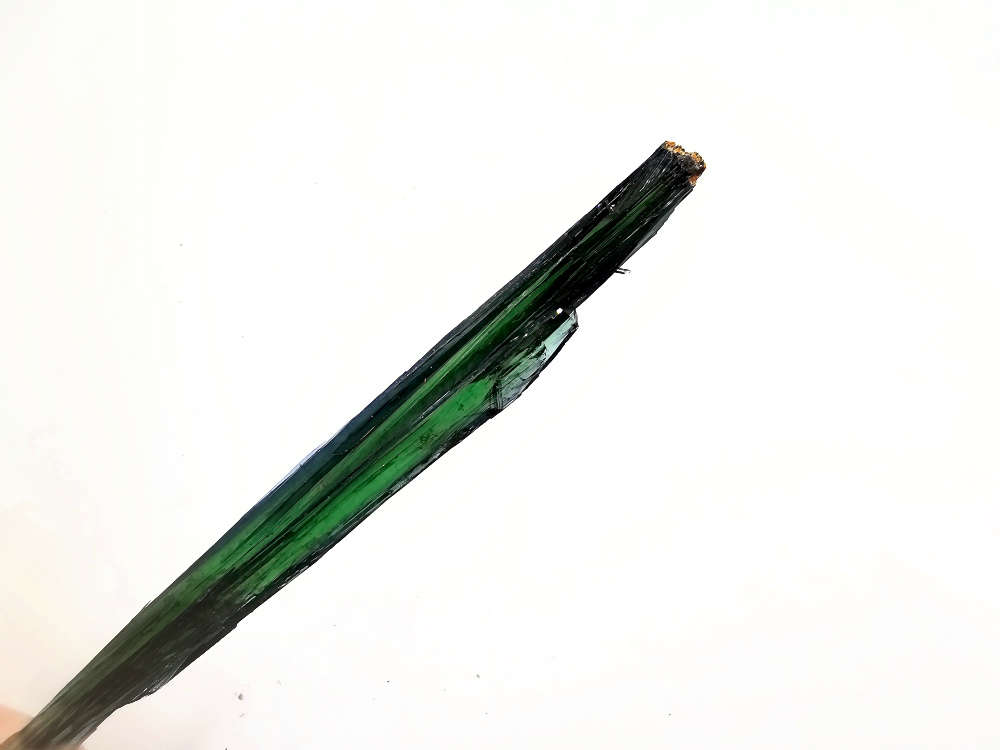
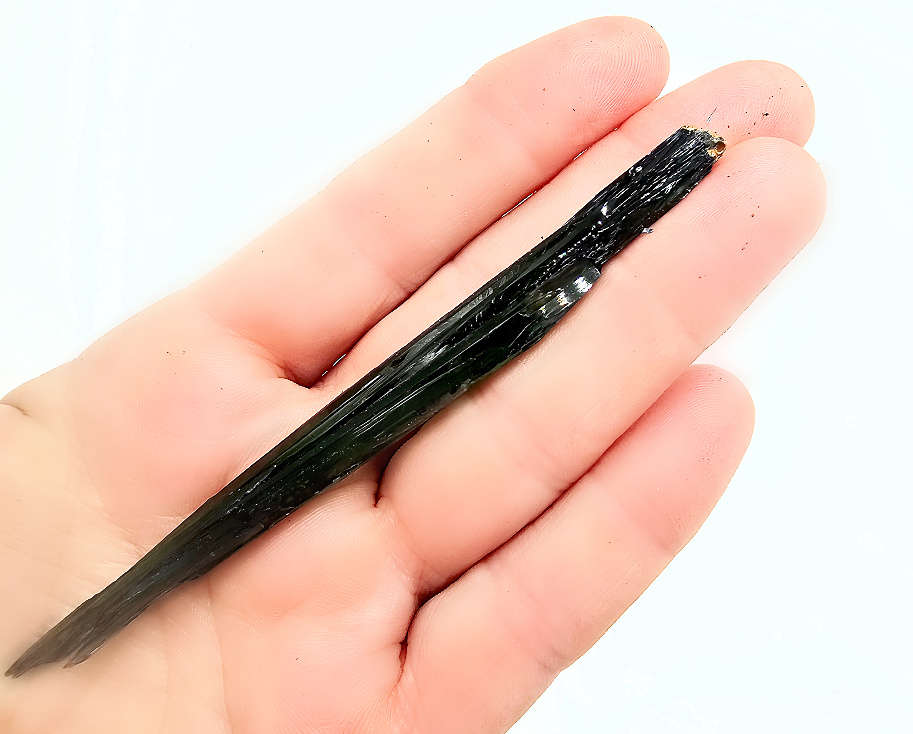
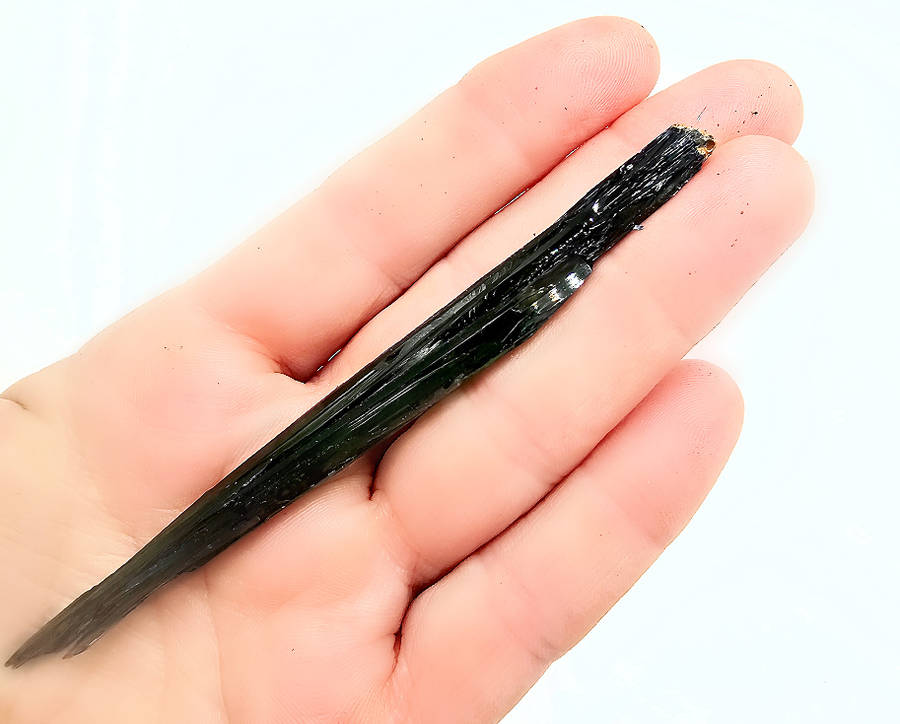
Collectors drawn to unusual phosphate minerals will appreciate Vivianite Blade D (7g), an authentic 7g Vivianite blade from Brazil. Its compact size puts the focus on the mineral's natural blade habit, surface details and shifting green-to-blue colour range.
The blade form is a genuine part of Vivianite's natural crystal habit. Vivianite belongs to the Vivianite mineral group, crystallises in the monoclinic system and is known for blue, deep blue, greenish-blue and bluish-green appearances as oxidation progresses.
Build a broader mineral display by exploring crystals by name to create a varied display of natural mineral forms.
Mineral: Natural Vivianite
Form: Natural blade specimen
Weight: 7g
Colour: Natural green to bluish shades
Origin: Brazil
Mineral Type: Hydrated iron phosphate
Mohs Hardness: Approx. 1.52
· Compact 7g specimen with individual blade character
· Natural colour can range through green and bluish tones
· Interesting mineralogy for collectors beyond common quartz varieties
· Authentic Brazilian specimen
· Easy size for a mixed mineral display
Q: What is Vivianite?
A: Vivianite is a natural hydrated iron phosphate mineral. It is known for bladed or flattened crystal forms and green, blue-green to deep blue colouring.
Q: How hard is Vivianite?
A: Vivianite is soft for a mineral, measuring roughly 1.52 on the Mohs scale. Handle it gently and avoid rubbing it against harder crystals or surfaces.
Q: Will every Vivianite blade look the same?
A: No. Natural Vivianite specimens differ in blade shape, thickness, colour, transparency, surface texture and other formation details.
Q: Why does Vivianite show blue and green shades?
A: Vivianite's colour is linked to changes in the oxidation state of iron within the mineral. Fresh material can be much paler, while oxidation is associated with deeper blue and green-blue tones.
Q: How should I display and care for Vivianite?
A: Handle the specimen gently, keep it somewhere secure where it cannot be knocked, and avoid unnecessary rubbing or frequent handling because Vivianite is soft.
· Phosphate and unusual mineral specimens
· Natural rough crystals
· Compact collector pieces
· Collectors exploring less-common mineral species
· Compact crystal displays
· Geology enthusiasts
· Natural specimen gifting
Comes with a meaning card.
Natural mineral specimens vary in shape, colour, transparency, surface texture and formation. The individual specimen you receive should be assessed from its product photographs.