| Main centres: | 1-3 business days |
| Regional areas: | 3-4 business days |
| Remote areas: | 3-5 business days |
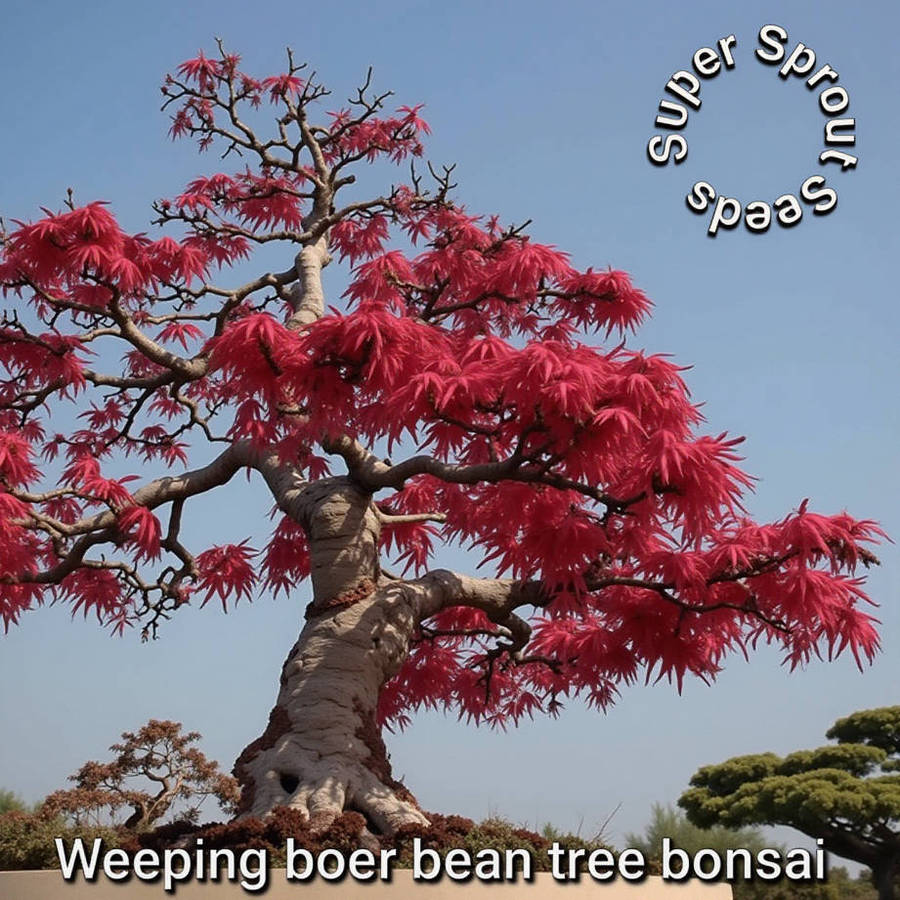
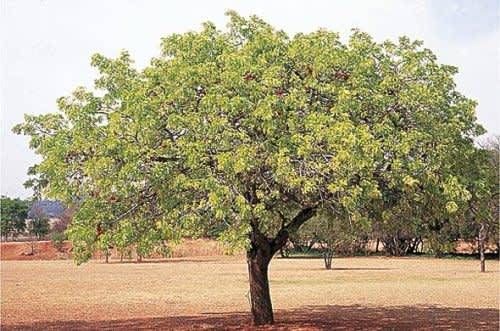
The weeping boer bean, Schotia brachypetala, is a beautiful, medium to large deciduous tree native to southern Africa. It occurs naturally across regions of South Africa, as well as parts of Zimbabwe and Mozambique, where it is often found along riverbanks and in woodland areas. This species is well adapted to a range of conditions, from relatively dry inland areas to more humid coastal climates.
The weeping boer bean is particularly admired for its spreading canopy and graceful, slightly drooping branches, which give the tree its weeping appearance. Its leaves are compound and lush green, creating dense shade during the growing season. In late summer to autumn, the tree produces striking clusters of deep red flowers. These blooms often exude nectar that can drip from the flowers, sometimes staining the ground beneath and attracting a wide variety of birds and insects.
The flowers of Schotia brachypetala are especially important ecologically, serving as a rich food source for nectar-feeding birds such as sunbirds, as well as bees and other pollinators. The tree also produces woody seed pods containing large, hard seeds. Beyond its ecological value, it is widely planted as an ornamental tree in parks and large gardens due to its shade, drought tolerance once established, and seasonal visual appeal.
Growing Schotia brachypetala is relatively straightforward. It thrives in full sun and prefers well-drained soil, though it can tolerate a variety of soil types. Regular watering is beneficial while the tree is young, but once established, it becomes quite drought-tolerant. It can handle light frost, although young trees should be protected from severe cold. With adequate space to accommodate its spreading canopy, the weeping boer bean develops into a hardy, long-lived shade tree that supports local wildlife and adds seasonal color to the landscape